


Line 6 Pedal article
The Complete Guide to Line 6 Pedal
Line 6 pedals deliver professional-quality digital effects, amp simulations and comprehensive sound processing in portable formats. Perfect for gigging and recording musicians.
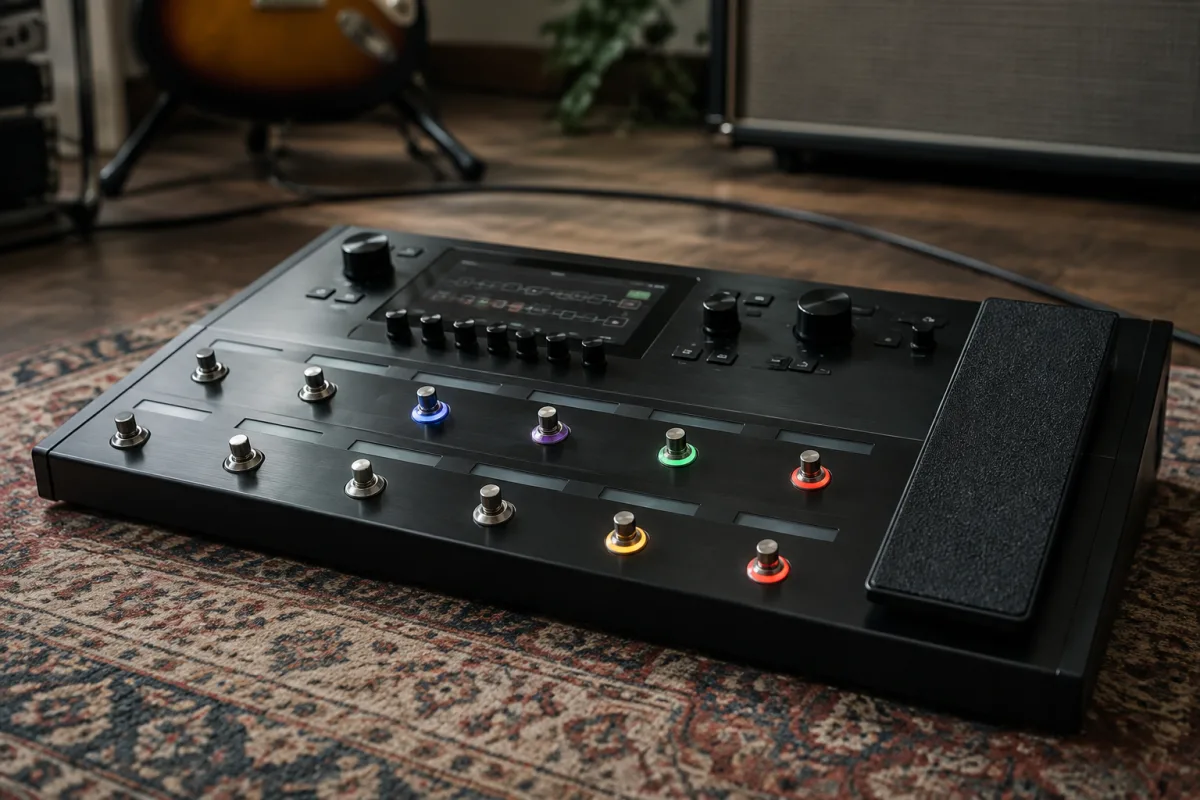
When building a versatile guitar effects pedalboard, finding pedals that combine professional sound quality with reasonable cost is a genuine challenge. Line 6, a leading innovator in digital music technology, has made this challenge considerably easier by offering effect pedals that deliver studio-quality processing in portable, foot-controlled formats. Whether you’re a gigging musician seeking reliable effects or a home practitioner exploring sound design possibilities, understanding what Line 6 offers can help you build the perfect effects setup.
What Are Line 6 Pedals?
A Line 6 pedal is a floor-mounted or compact effects unit that processes your guitar signal through digital algorithms designed to emulate classic studio effects and amplifier characteristics. Line 6 specialises in creating convincing digital reproductions of renowned outboard gear, valve amplifiers and mechanical effects, making professional-grade processing accessible to musicians at all experience levels.
The company’s reputation rests on translating complex analogue effects and tube amp characteristics into digital form without sacrificing musicality or responsiveness. This approach has proved extraordinarily popular: from home recording studios to major touring productions, Line 6 pedals provide the foundation for countless professional guitar setups. The combination of digital convenience with analogue-inspired sound quality makes Line 6 a trusted choice across rock, metal, alternative and country genres.
Types of Line 6 Pedals
Line 6’s product range encompasses several distinct categories, each designed for different performance contexts and technical requirements. Understanding these distinctions helps you select the pedal type that best serves your needs.
Compact Effects Pedals: Line 6’s Stompbox series offers single-effect units designed to replace traditional analogue pedals on your pedalboard. These deliver the company’s digital processing in a form factor compatible with standard pedalboards. They are ideal for musicians wanting selective Line 6 effects integration without replacing their entire setup.
Multi-Effects Pedalboards: The Pod series (particularly the Pod Floor and similar models) are comprehensive multi-effects systems containing hundreds of effects, amp simulations and cabinet models. These are complete solutions, eliminating the need for individual effects pedals. Musicians wanting a single unit handling all their sound shaping favour these for portability and simplicity.
Amp and Cabinet Simulators: Products like the Helix aim specifically at replacing traditional tube amplifiers and speaker cabinets. These units simulate the complete amplification chain digitally, enabling guitarists to go directly into mixing consoles without physical amplifiers. This has revolutionary implications for touring, studio and home recording contexts.
Signal Processing and Sound Quality
The technological foundation distinguishing Line 6 from competitors lies in the company’s dual DSP (digital signal processing) architecture and sophisticated algorithms. Effects processing quality depends fundamentally on the algorithms: more sophisticated code produces more convincing, musical results. Line 6’s investment in algorithm development is evident in the naturalness of their effect reproductions.
Modern Line 6 pedals feature convolution reverb engines that capture the acoustic characteristics of real spaces. This technology surpasses earlier reverb approaches, creating spatial effects indistinguishable from physical room recording. Similarly, their amp simulation technology captures not just the basic tone of classic amplifiers but also the subtle response characteristics and breakup behaviour experienced guitarists value.
CPU constraints remain relevant: each effect and amp model consumes processing power. Line 6 has continually expanded the number of simultaneous effects you can use by improving their processors. Even modest Line 6 pedals now allow complex effect chains unthinkable in earlier generations, demonstrating how the technology has matured.
Comparing Line 6 Pedal Categories
| Category | Examples | Cost Range | Portability | Flexibility | Best For |
|---|---|---|---|---|---|
| Compact Effects | Stompbox Series | £100–200 | Excellent | Selective integration | Existing pedalboards |
| Multi-Effects Floor | Pod Floor, Pod Go | £400–1200 | Good | Comprehensive | Gigging, touring professionals |
| Amp Simulator | Helix, LT | £1500–3000 | Moderate | Amp replacement | Studio, touring, no amp needed |
| Compact Modeller | Pod Express | £200–400 | Excellent | Basic multitasking | Beginners, practice |
Versatility and Integration
A significant strength of Line 6 pedals is their integration potential. Most models offer MIDI input, allowing control from external controllers or foot switches. This enables complex performance scenarios where effects parameters change automatically with scene switching. Advanced users exploit this extensively for hands-free live performance control.
USB connectivity in modern Line 6 pedals allows integration with recording software, enabling you to use the pedal’s effects and amp simulations as a plugin in your DAW. This blurs the line between hardware and software, combining the tactile control of pedals with the post-recording flexibility of digital effects. For home recording musicians, this represents extraordinary value and flexibility.
Expression pedal integration (either built-in or via connection to external expression pedals) enables parameter control via foot movement. This allows dynamic effect modulation during performance, creating expressive possibilities exceeding what fixed pedalboard settings offer. Wah simulation, volume swells, filter sweeps and other dynamic effects become intuitive and natural.
When to Choose a Line 6 Pedal
Line 6 pedals are sensible when you value professional sound quality, want digital effects conveniences without analogue pedal limitations, and appreciate regular software updates adding new effects and amp models. Musicians touring extensively benefit enormously from Line 6’s reliability and consistency: you know your setup will sound identical night after night and city after city.
For home recording musicians, Line 6’s direct USB recording capability is revolutionary. Plug the pedal into your computer, record your guitar directly through the unit’s amp simulations and effects, and you have professional-quality guitar tones without expensive hardware amplifiers and microphones. This accessibility has democratised home guitar recording.
Less suitable if you are philosophically committed to analogue signal processing, prefer the hands-on tactile experience of traditional effects pedals, or possess technical expertise enabling you to design custom effects chains with specialised boutique equipment. In these contexts, embracing Line 6’s digital approach might feel creatively limiting.
Learning and Customisation
Modern Line 6 pedals ship with comprehensive factory presets that cover common musical styles and playing techniques. Beginning users can achieve excellent results immediately using these presets without deep technical knowledge. This low barrier to entry makes Line 6 accessible to anyone regardless of experience level.
For advanced users, deep customisation options exist. You can assign parameters to expression pedals, create effect chains combining multiple algorithms, and automate changes across scenes. This complexity rewards investment in learning but never forces it upon users who prefer simplicity.
Online communities surrounding Line 6 products share custom effects chains, amp models and practical tips. This community knowledge accelerates your learning curve and inspires creative approaches to sound design. Video tutorials by professional musicians demonstrate professional-level techniques using Line 6 equipment.
Conclusion
A Line 6 pedal represents a pragmatic, professional approach to modern guitar effects. Whether you choose a compact stompbox integrating selectively into your existing pedalboard, a comprehensive multi-effects floor unit handling all your sound processing, or an amp simulator replacing your physical amplifier entirely, Line 6 offers solutions combining professional quality with accessible cost. The company’s maturity in digital effect design, commitment to frequent software updates, and extensive user community make these pedals worthy of consideration for any guitarist seeking to modernise their effects setup. For gigging musicians, home recordists and tone explorers alike, Line 6 pedals provide professional capabilities at prices that make investment economically sensible.
Frequently Asked Questions
Can I use a Line 6 pedal with traditional guitar amplifiers? Absolutely. Line 6 pedals are designed to integrate with any amplifier. You can use them as a traditional effects chain, running the output into your amp’s input as normal.
Do Line 6 pedals require software updates? Most modern Line 6 pedals support firmware updates via USB, adding new effects, amp models and features regularly. These updates are free, keeping your pedal current with latest technology.
Can I use multiple Line 6 pedals together? Yes, Line 6 pedals integrate seamlessly with other brands via standard audio connectors. You can build hybrid pedalboards combining Line 6 and traditional effects for complete creative control.
Is a Line 6 pedal suitable for beginners? Yes, very much so. Factory presets and intuitive interfaces make them beginner-friendly. As your skills develop, deeper customisation options become available, providing growth potential.
What’s the difference between Line 6 floor units and compact stompboxes? Compact stompboxes offer individual effects integrating into existing pedalboards. Floor units are complete systems with hundreds of effects, multiple footswitches and comprehensive expression controls.
Can I record directly to my computer using a Line 6 pedal? Yes, modern Line 6 pedals feature USB audio interfaces. You can record guitar directly through the pedal’s effects and amp simulations into your DAW for professional home recording.


Comments