


Line 6 Pedal Buying guide
Line 6 Pedal: A Complete Buyer's Guide
Line 6 offers pedals across multiple price tiers and form factors. This guide covers compact stomp boxes, multi-effects platforms, professional floor units, and how to select the right pedal for your gigging and recording needs.
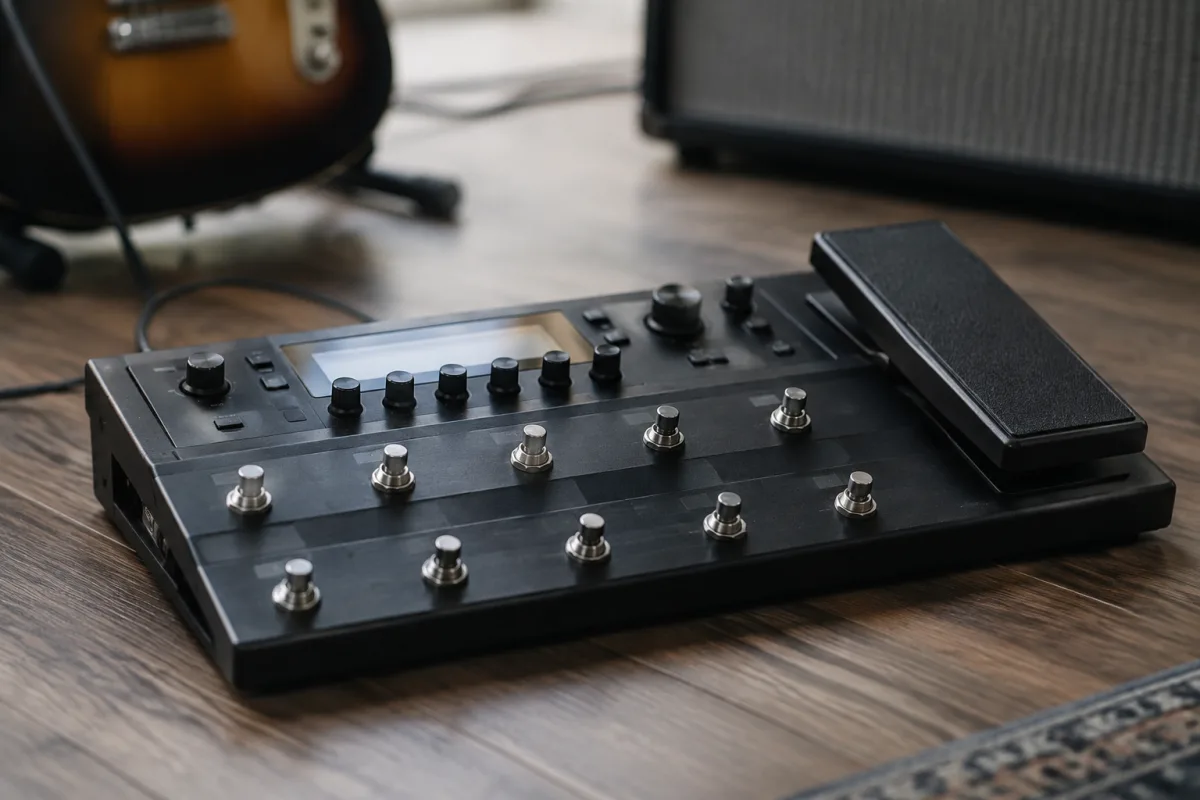
Line 6 pedals have earned a reputation for delivering professional-quality effects in portable, affordable packages. Choosing which Line 6 pedal suits your needs requires understanding the product range—from ultra-compact single-effect units to comprehensive multi-effects platforms—and matching form factor and features to your playing style and budget. This buying guide helps you navigate Line 6's extensive catalogue and select the right pedal for your guitar rig.
Line 6's Product Range Explained
Line 6 manufactures pedals across several categories, each serving different players:
- Compact Stomp Boxes (£50–150): Ultra-portable single-effect pedals like the Line 6 M5 scaled down. Ideal for minimal pedalboards or guitar bag storage. Limited to one or two effects simultaneously but renowned for sound quality. Perfect for cover bands or session musicians needing reliable core effects.
- Mid-Range Multi-Effects (£200–500): The POD Go and similar units combine multiple simultaneous effects, amp modelling, and expression pedal control. These platforms suit players wanting comprehensive tone shaping in a manageable footprint. Studio and live use both work well here.
- Floor Units & Complete Rigs (£500–2,000): The Helix floor model and HX Stomp represent Line 6's professional-grade offerings. Multiple footswitches, extensive routing options, simultaneous effects chains, and USB recording. Essential for touring professionals, session players, and producers.
Critical Specifications When Evaluating
Understanding what specs actually matter prevents overpaying for features you won't use:
- Effect Count & Simultaneous Processing: Budget pedals might offer 10 effects but only one simultaneously. Professional units run 6–8 effects in parallel. Decide what matters: a large library of individual effects, or fewer effects running together? Recording producers often prioritise parallel processing; live players appreciate effect variety.
- Amp & Cab Modelling Quality: Line 6 pioneered amp modelling; their algorithms capture classic tube amp character. Higher-end pedals include more amp models and cabinet impulse responses (IRs). Tone quality noticeably improves at the professional tier. If amp models are essential to your tone, invest accordingly.
- Expression Pedal & Foot Switch Count: An integrated expression pedal (sweep pedal) lets you modulate effects in real time. Multiple footswitches enable quick preset switching during performances. Budget units have limited controls; professional models offer four or more switches plus expression capability.
- Connectivity Options: USB recording is essential for home recording. Stereo input/output matters for stereo effects. MIDI connectivity integrates with external gear. Evaluate which connections matter for your setup.
- Display & User Interface: Intuitive interfaces make editing on-the-fly possible. Poor interfaces mean menus-diving between songs. Larger displays help live players navigate quickly. This often determines how enjoyable the pedal is to use long-term.
Line 6 Pedal Price Tiers & Real Applications
Budget shapes which features you access. Understand what each tier delivers. Visit the complete guide to Line 6 pedal for specific model comparisons:
- Compact Stomp Effects (£50–150): Single effects with great sound quality. Ideal for guitarists adding specific effects to a traditional pedalboard. Perfect for minimalists and travelling musicians. Limited to core essentials; advanced effects require multiple pedals.
- Mid-Range Multi-Effects (£200–500): POD Go tier; combines multiple effects, amp modelling, and expression control. Handles most live and studio applications. Still portable but more feature-rich than stomp boxes. Sweet spot for semi-professional players.
- Professional Floor Units (£1,000–2,000): Helix-level platforms offer extensive routing, expression pedal, multiple switches, and professional-grade effects algorithms. Touring professionals and serious studio musicians choose this tier. Investment pays dividends if you gig regularly or create diverse tones professionally.
Line 6 Pedal Selection by Playing Style & Application
Your specific needs shape which pedal fits:
- Jazz & Blues Guitarist (Tone Shaping Priority): A compact Line 6 stomp box or mid-range POD Go suffices. Focus on reverb, delay, and mild overdrive. Professional tone shaping beats effect quantity. Mid-range pedals (£250–400) offer excellent value here.
- Rock & Metal Performer (Live Gigging): Mid-range multi-effects (£300–500) provide simultaneous distortion, modulation, and delay essential for heavier genres. Expression pedal matters for volume swells. Reliable switching between presets is critical during live sets.
- Studio/Recording Producer (Tone Exploration): Professional units (£1,200+) justify investment; you'll explore complex effect chains and amp models extensively. USB recording and stereo capability are essential. The effect library and editing depth support creative experimentation.
- Minimalist Pedalboardist (Spot Effects): Individual compact stomp boxes (£80–150 each) let you select specific effects, keeping pedalboard lean. Build gradually as your tone preferences become clear. This approach prevents purchasing features you'll never use.
Common Buying Mistakes & How to Avoid Them
Steer clear of these errors:
- Overbuying Features You Won't Use: A professional Helix offers vastly more than most players need. If you play basic rock cover songs weekly, a mid-range POD Go delivers everything you'll use. Honestly assess what tones you actually create.
- Underestimating Learning Curve: Complex pedals have steep editing curves. Budget time for menu-diving and editing before live performances. If you gig weekly, simpler interfaces become critical for quick adjustments between songs.
- Ignoring Footswitch Quality: Cheap footswitches fail during touring. Professional models use industrial-grade switches rated for 1,000,000+ presses. If you gig regularly, footswitch durability matters enormously.
- Overlooking USB Recording Capability: Modern recording almost demands USB connectivity. If home recording appeals, verify your pedal includes USB input/output before purchasing.
- Not Auditioning Before Purchase: Tone is subjective. Rent or trial expensive pedals before committing. Your ears will know within days whether a Line 6 pedal matches your sonic goals.
- Forgetting to Factor Expression Pedal Value: An integrated expression pedal is worth £100–150 alone. Compare pricing carefully; sometimes cheaper options force external expression pedal purchases.
Connectivity & Integration Considerations
Modern Line 6 pedals integrate with your entire rig:
- USB Recording: Essential for home recording, podcasts, or YouTube content. Verify USB audio I/O quality; cheaper implementations add latency or noise.
- MIDI Control: Connect to external footswitches, keyboards, or control surfaces for preset switching or effect parameter modulation. Professional players exploit this extensively.
- Stereo I/O: Stereo effects (reverb, delay, modulation) benefit from stereo output. Monitor speakers or stereo headphones needed to hear the difference.
Maintenance & Longevity
Line 6 pedals are generally reliable but benefit from care:
- Footswitch Maintenance: Periodic inspection prevents switch failure. Avoid excessive moisture exposure during outdoor performances.
- Firmware Updates: Line 6 regularly releases firmware updates adding effects and improving stability. Update periodically for optimal performance.
- Cable & Connector Care: Quality USB and audio cables prevent connection issues. Replace worn cables before they fail on stage.
Used Line 6 Pedals: Value Proposition
Secondhand Line 6 pedals often cost 30–50% less than new. Test thoroughly; footswitches and displays should function perfectly. Older models may have outdated firmware. Check for warranty; without it, repairs fall on you. Professional touring requires new equipment with warranty protection. Home players and experimenters can find genuine bargains in carefully inspected used gear.
Making Your Purchase Decision
Honestly assess your playing needs, gigging frequency, and tonal goals. Compact stomp boxes suit minimalists and specific effect needs. Mid-range multi-effects handle most players' requirements affordably. Professional units serve touring musicians and studio producers. Rather than purchasing maximum features, choose the pedal you'll actually use daily. A simpler Line 6 pedal you love beats an over-featured unit you never fully master.


Comments