


Line 6 Guitar Effect article
The Complete Guide to Line 6 Guitar Effect
Line 6 guitar effects offer powerful digital tone-shaping combining amp modelling, vast effect libraries, and giggable interfaces in accessible packages.
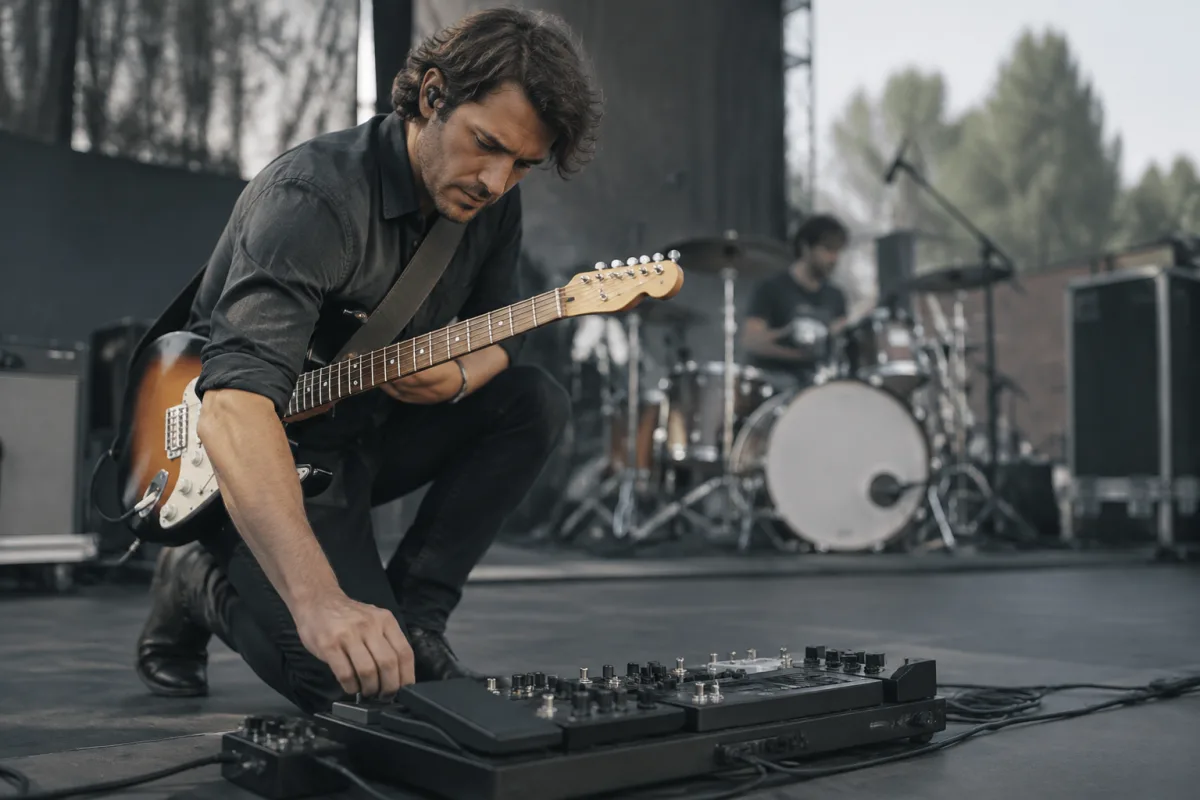
Line 6 guitar effects have revolutionised how modern players approach tone and sound design. Whether you're exploring modulation, simulation, or entirely digital signal processing, this technology offers accessibility and sonic possibilities that were once confined to sprawling pedalboards or expensive rack systems.
What Are Line 6 Guitar Effects?
Line 6 guitar effect products encompass a range of digital effects processors, amp modellers, and pedalboard solutions designed specifically for guitarists. A Line 6 unit typically combines multiple effect types—distortion, reverb, delay, modulation—into single units or integrated platforms. The company's strength lies in high-quality emulation of classic effects and amplifiers combined with innovative modern processing, all delivered through intuitive, stage-ready interfaces.
Whether it's the iconic POD (Personal Amp Modeller), the Helix multi-effects platform, or their compact Stompbox series, every unit shares the company's philosophy: powerful tone-shaping in accessible, giggable packages.
Product Categories
Line 6 divides its portfolio into several distinct product lines, each addressing different needs:
- POD series — Compact amp and effect modellers; brilliant for beginners and bedroom players.
- Helix line — Professional-grade multi-effects workstations for touring musicians and studios.
- Stompbox pedals — Individual effect pedals that integrate with Helix or work standalone.
- Amplifi series — Desktop and mobile platforms blending hardware and app-based control.
- LT models — Scaled-down Helix alternatives offering powerful features at lower cost.
- One series — All-in-one systems designed for plug-and-play simplicity.
Amp and Cabinet Modelling
At the core of most Line 6 guitar effects is sophisticated amp modelling. These amplifier models attempt to capture the sonic character of classic tube amps—Fender Twins, Marshall Plexis, Vox AC30s—through digital algorithms. The realism has improved dramatically over two decades; modern recreations sound remarkably authentic, especially through decent monitoring.
Cabinet simulation is equally important. These processors include profiles of classic speaker cabinets, allowing the amp character to interact realistically with cabinet resonance. This layering—amp plus cabinet—is what separates convincing digital tone from hollow "digital guitar sound."
Effects Library
Beyond amp modelling, the effects themselves are the backbone of flexibility in these systems. Most Line 6 platforms offer:
- Distortion and overdrive — Dozens of variations from subtle grit to face-melting saturation.
- Modulation — Chorus, flanger, phaser, and Leslie emulations.
- Delays — From simple tape echo to complex rhythmic repeats synced to tempo.
- Reverbs — Plate, spring, room, and hall algorithms with full parameter control.
- Dynamics processors — Compressors, gates, and sustain effects.
- Filters and EQ — Parametric, graphic, and resonant filtering tools.
- Pitch shifters — For harmonies and experimental textures.
Workflow and User Interface
A Line 6 unit's interface differs dramatically depending on the model. The compact POD features a small screen and knobs; the Helix offers a floor pedalboard layout with three expression pedals and customisable footswitches. Regardless, every system emphasises real-time control and live gigging usability. You can't hide behind menus; you manipulate tone tactilely, making it intuitive for performers who need quick adjustments during sets.
Integration and Expandability
Modern Line 6 products integrate with DAWs via USB, allowing studio recording and editing. Some units support external expression pedals, MIDI controllers, and even wireless setups. The ability to expand your system—adding stompbox pedals to Helix, for instance—keeps your investment relevant as your needs evolve.
Common Use Cases
Line 6 guitar effects serve diverse contexts:
- Bedroom recording — A POD Go directly into an audio interface is a complete recording rig.
- Live performance — Helix keeps gigging bands sounding tight with consistent tone across venues.
- Sound design — The stacking capability enables experimental layering of effects.
- Practice with amp feel — Headphone playing through amp models makes silent practice more engaging and realistic.
Versus Traditional Pedal Chains
A Line 6 multi-processor differs fundamentally from assembling individual pedals. Traditional chains offer sonic "colouration" from each pedal's unique circuitry; these digital systems prioritise transparency and precise control. A traditional pedalboard gives you physicality and the joy of stomping; these units offer recall, preset switching, and portability. Neither is inherently superior—musical goals and aesthetic preference determine the fit.
Conclusion
Line 6 guitar effects represent a mature, powerful approach to modern tone-shaping. Whether you're a beginner exploring amp modelling affordably, a touring musician needing reliability and flexibility, or a studio enthusiast seeking endless effect possibilities, one of these platforms can be the sonic foundation of your rig. The learning curve is gentle—even complete beginners find them intuitive—yet the depth for advanced sound design remains vast. Invest in a system aligned with your playing context, and you'll discover genuine expansion of creative possibilities.
Frequently Asked Questions
Q: Do Line 6 guitar effects sound as good as real tube amps?
A: Remarkably close, especially through decent speakers or headphones. Trained ears might detect subtle differences, but these amp models into a real cabinet sound authentic enough for virtually any live or studio context.
Q: Can I use one without an external amp?
A: Yes. You can send output to powered speakers, a mixing console, or your audio interface. Many players use them directly into a DAW with no physical amplifier present.
Q: What's the learning curve?
A: Gentle. Presets sound excellent straight out of the box; you can plug in and gig immediately. Deep customisation is available for those who want it, but it's optional.
Q: Are these suitable for live performance?
A: Absolutely. Models like Helix are industry-standard live rigs. Countless touring artists rely exclusively on Line 6 platforms.
Q: Can I integrate one with my existing pedalboard?
A: Yes. Most systems accept expression pedals, MIDI controllers, and audio inputs from other gear, allowing hybrid setups.
Q: Do I need a computer to use one?
A: No. Every unit operates standalone. Computer connection is optional, mainly for software updates and deep editing.
Q: Which model is best for beginners?
A: The POD Go or Helix LT offer exceptional value. Both are compact, affordable, and feature the core technology that makes Line 6 so popular.
Q: Can one replace my entire pedalboard?
A: For most players, yes. The effect library is enormous, and stacking capabilities allow complex signal chains impossible with individual pedals. Tone snobs might prefer physical pedals, but capability-wise, these handle nearly everything.


Comments