


Line 6 Guitar Effect article
Line 6 Guitar Effect for Beginners: A Complete Guide
Guitar effects intimidate many beginners, but Line 6 gear makes the learning curve gentle. This guide shows you how to start with effects confidently and avoid common first-timer pitfalls.
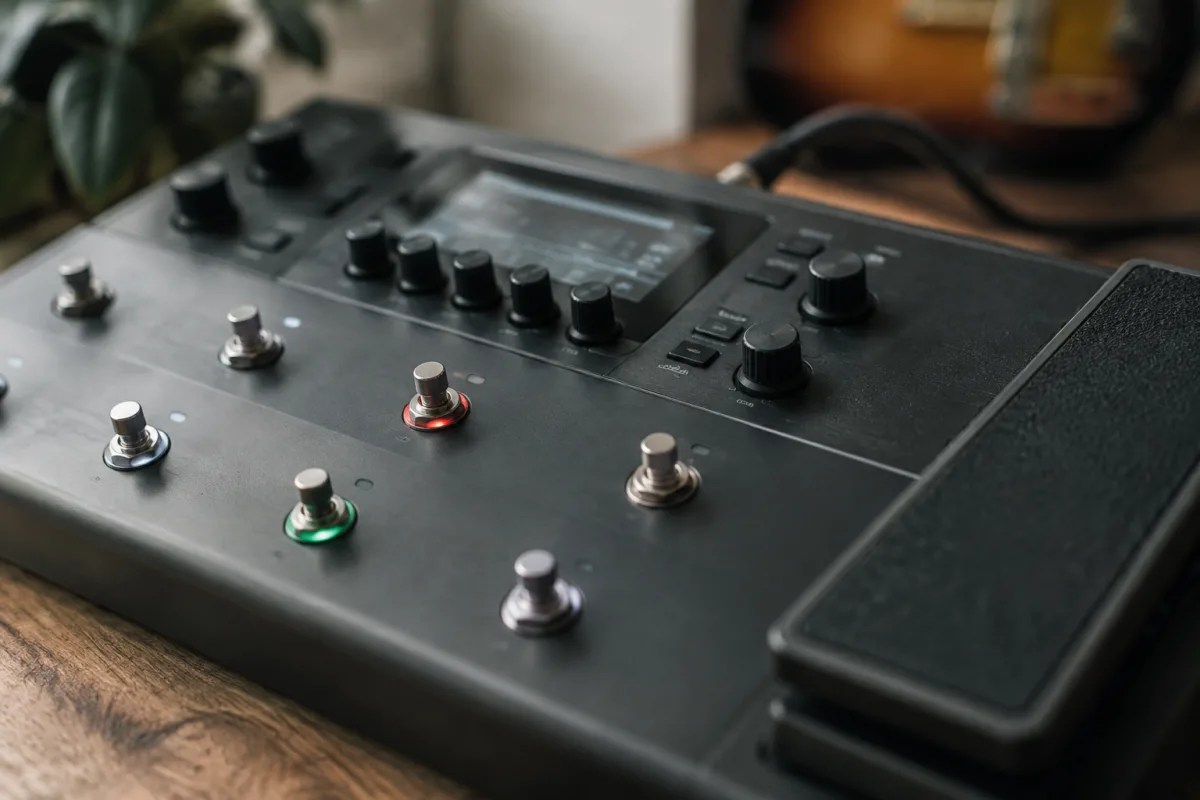
If you're considering using guitar effects for the first time, the prospect might feel intimidating. There's endless jargon—reverb, delay, modulation, overdrive—and seemingly infinite options. Line 6 guitar effect equipment has become the standard beginner's gateway into effects because the company understands that first-timer anxiousness. Their gear is designed to be intuitive, powerful enough to grow with your playing, and forgiving when you're still learning what works and what doesn't. This guide removes the mystery and shows you how to get started with Line 6 guitar effect equipment confidently.
Why Beginners Choose Line 6 Guitar Effect Solutions
Line 6 has spent decades building equipment for players learning to use effects. The company's philosophy is accessibility without dumbing down. A Line 6 guitar effect unit sounds genuinely good and offers professional-grade features without requiring a physics degree to understand. Most importantly, Line 6 equipment is forgiving—tweak a knob and the effect gets better or worse in predictable ways. You're never left guessing whether you're using the equipment correctly.
The Line 6 catalogue ranges from single-effect pedals to complete multi-effects systems. This range means you can start as simply or as ambitiously as you choose. Begin with one pedal, learn it thoroughly, then add more. Or dive into a multi-effects unit that lets you explore dozens of effects immediately. Both approaches work because Line 6 gear scales with your ambition.
Types of Line 6 Guitar Effect Equipment for Beginners
| Product Type | Best For | Typical Price | Learning Curve |
|---|---|---|---|
| Single Pedal (e.g., M5) | Beginner explorers, budget-conscious starters, minimalists | £50–£150 | Very gentle; focus on one effect at a time |
| Compact Multi-Effects (e.g., HX Effects) | Players wanting portability without complexity, pedalboard users | £200–£350 | Moderate; lots of options but logical interface |
| Full Multi-Effects (e.g., Helix) | Serious hobbyists, recording home studios, ambitious learners | £400–£800 | Steeper but rewarding; comprehensive effects and amp modelling |
| Amp Modelling Systems (Helix LT) | Home recording, bedroom players, eliminating amplifier needs | £300–£700 | Moderate; focused on amp and effects interaction |
Getting Started With Your First Line 6 Guitar Effect
Don't panic about choosing the perfect system immediately. Many successful players started with a single £60 Line 6 pedal and expanded years later. The important thing is beginning. Choose a format that matches your actual situation. Live playing? A pedalboard makes sense eventually. Recording at home? A multi-effects unit gives you everything. Bedroom practise? A single pedal teaches you effects fundamentals without overwhelming you.
When you unbox your first Line 6 guitar effect equipment, resist the urge to tweak every setting. Start with presets—Line 6 includes thoughtfully programmed starting points that sound genuinely good. Play for weeks with these presets. Learn how effects shape your tone, what reverb does differently from delay, when modulation adds magic and when it just confuses the mix. Presets are your teacher initially, not a limitation.
Essential Effects: Understanding What Each Does
Overdrive and distortion are fundamental. Overdrive gently pushes your tone, adding sustain and slight aggression. Distortion cranks this further, creating dramatic texture and presence. Beginners often assume distortion is only for metal—it's not. Any genre benefits from tasteful distortion when used thoughtfully. Your Line 6 guitar effect equipment makes experimenting safe because you can switch instantly between no effect and anything extreme.
Reverb and delay are equally essential but work differently. Reverb simulates space—the acoustics of cathedrals, concert halls, tiny bathrooms. A little reverb makes any guitar sound more polished and professional. Delay repeats your notes, creating rhythmic texture and depth. Beginning players often use too much of both, which muddies everything. Start conservative with reverb and delay. You can always add more.
Modulation effects—chorus, flanger, phaser—are the fun exploratory territory. These twist your tone in creative ways. Chorus thickens and widens your sound. Flanger creates whooshing texture. Phaser is subtle and sophisticated. These effects won't make you sound worse if you use them conservatively, and Line 6 guitar effect equipment implements them beautifully. Experiment fearlessly.
First-Timer Mistakes to Avoid
The most common beginner mistake is using too many effects simultaneously. Every effect sounds cool in isolation. Stacking five effects usually creates an overwhelming soup of sound where nothing is clear. Your guitar disappears into texture. Start with one or two effects, learn them completely, then add another. Quality over quantity always wins.
Don't fall into the trap of tweaking endlessly. A Line 6 guitar effect effect has hundreds of parameters. You can spend hours adjusting tiny variables and lose perspective on whether the result actually sounds good. Set a parameter, play for five minutes, then decide. Your ears are the only judge that matters.
Avoid using maximum settings on any effect initially. That huge reverb that washes your tone away isn't what reverb is meant to do. That delay repeating endlessly until your next note starts isn't musical. Small, tasteful effect amounts reveal what each effect actually does. Aggressive amounts create novelty rather than music.
Don't assume your tone through headphones translates to playing through amplifiers or speakers. Line 6 guitar effect equipment sounds different through different outputs. Use your amplifier whenever possible. If you're using amp modelling, test your settings through your existing amplifier first to ensure they translate.
Building Confidence With Line 6 Guitar Effects
The brilliant thing about Line 6 gear is that experimentation is encouraged and safe. You literally cannot break anything by trying combinations. The worst that happens is you discover a combination you don't like, which teaches you something about your tone preferences. That's valuable knowledge. Every player who uses effects has spent weeks exploring combinations that didn't work. It's essential learning.
Connect with other users. Line 6 has an enthusiastic community sharing presets, techniques, and encouragement. Watching how experienced players approach effects removes mystique and shows that good effects use is about subtlety and restraint, not technical complexity. You'll feel more confident knowing that professionals often use simple effect chains rather than overwhelming complexity.
Moving Beyond Beginner Territory
Once you're comfortable with basic effects, you'll naturally want to explore further. Recording musicians learn amp modelling. Touring players add more pedals. Creative experimenters push modulation and delay into strange territory. Your Line 6 guitar effect equipment scales with your ambition. Most importantly, you'll be making these explorations from a foundation of understanding what each effect does and why.
For comprehensive exploration of Line 6 equipment specifications, professional applications, and advanced techniques, visit our complete guide to Line 6 guitar effect. That resource covers the entire product range and advanced creative applications beyond the beginner introduction.
Your First Step Into Effects
Using guitar effects should be exciting, not intimidating. Line 6 makes equipment designed specifically for players taking their first steps into effects territory. Start simple, learn gradually, and trust that your ears will guide you toward good tone. The community of effects users is welcoming and supportive. You're not walking into this alone—you're joining a culture of continuous creative exploration where good-natured experimentation is the entire point.



Comments