


Line 6 Guitar Effect Buying guide
Line 6 Guitar Effect: A Complete Buyer's Guide
Buying Line 6 guitar effects involves navigating a diverse product range. This guide covers product categories, sound quality, key specs, common mistakes, and how to choose the right Line 6 effect for your needs.
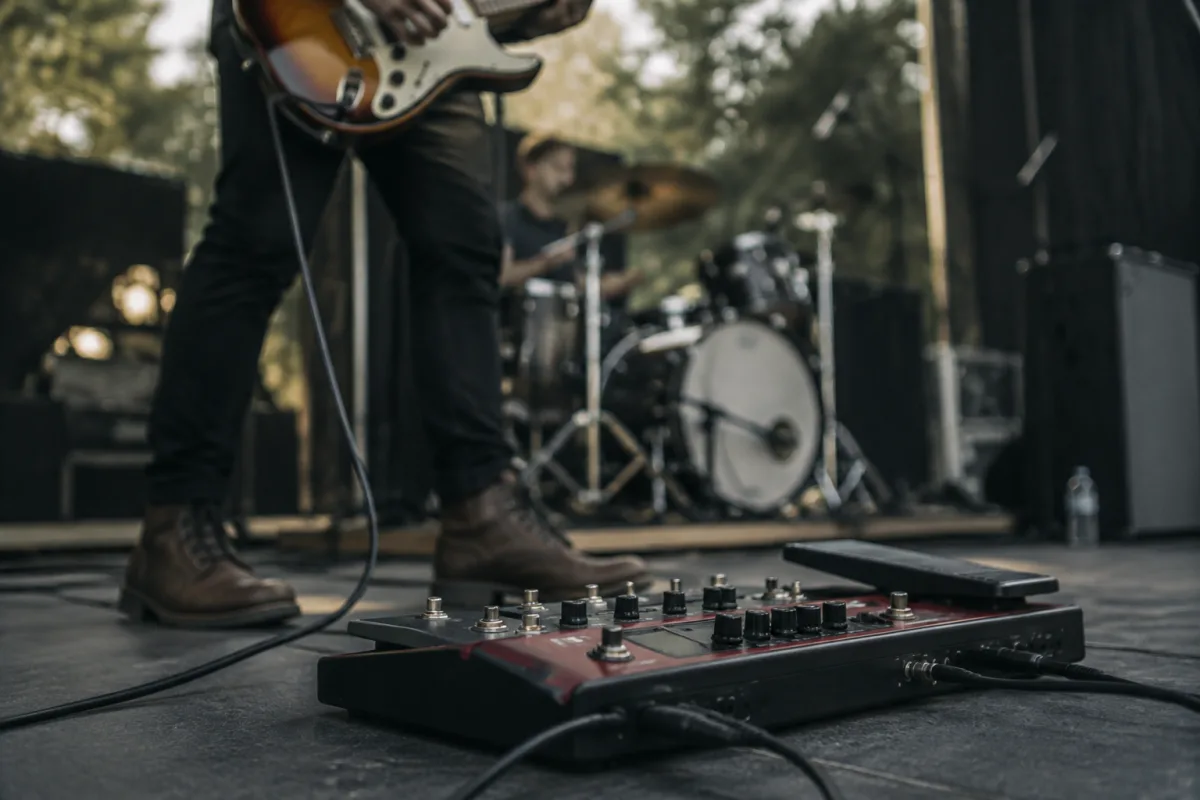
When buying a Line 6 guitar effect, you're exploring one of the most diverse effect ecosystems in music. Line 6 offers everything from compact stompboxes to elaborate multi-effects processors, each serving different players and budgets. But navigating the Line 6 guitar effect range involves understanding which products actually suit your playing style, what capabilities justify cost, common pitfalls when buying a Line 6 guitar effect, and realistic expectations about effects quality and workflow. This guide prepares you for an informed purchase.
Line 6 Guitar Effect Product Categories
Understanding what Line 6 actually makes clarifies the buying decision. The Line 6 guitar effect lineup spans three main categories:
Multi-effects processors: The Pod series is Line 6's flagship. When buying a Line 6 guitar effect multi-processor, you're getting hundreds of amp and effect simulations in one unit. The Pod Go, Pod Go Wireless, and more expensive variants offer different feature sets. Multi-effects are ideal if you want versatility and portability; they're overwhelming if you prefer tweaking one effect deeply. When buying a Line 6 guitar effect multi-processor, expect a learning curve.
Modellers and interfaces: The Helix and HX models are professional-grade Line 6 guitar effect platforms combining multi-effects, amp modelling, and audio interface functionality. When buying a Line 6 guitar effect Helix, you're investing in a professional touring rig. Cost ranges £1,500–£3,500. These systems are industry-standard and retain value; they're not impulse purchases.
Individual pedals and stompboxes: Line 6 also produces single-effect pedals like reverb, delay, and modulation units. When buying individual Line 6 guitar effect pedals, you're adding specific effects to an existing rig. These are cheaper (£50–£200) but less cohesive than a dedicated multi-effects unit.
When buying a Line 6 guitar effect, deciding which category fits your needs is the first critical choice. Each serves different players.
Understanding Line 6 Guitar Effect Quality and Sound
Before buying a Line 6 guitar effect, know what sound quality to expect. Line 6 is famous for amp simulations that sound remarkably close to real amps. Effects quality varies:
Amp modelling: Industry-leading. When buying a Line 6 guitar effect specifically for amp simulation, you're getting exceptional value. The Pod Go's amp models fool seasoned guitarists through studio monitors or headphones.
Reverb and delay: Excellent. The Line 6 guitar effect reverbs and delays sound natural and musical. These effects are why many touring musicians favour Line 6 when buying guitar effects for live use.
Distortion and gain effects: Good but not exceptional. When buying a Line 6 guitar effect for aggressive distortion, some players find them slightly digital-sounding compared to dedicated overdrives or fuzz pedals. Taste varies wildly.
Modulation effects: Solid. Chorus, flanger, and phaser effects from Line 6 guitar effect units sound professional and controllable. Nothing groundbreaking, but no embarrassing compromises.
When buying a Line 6 guitar effect, understand you're prioritising versatility and integration over cutting-edge individual effect sound. That's a fair trade for most players.
Key Specs When Buying a Line 6 Guitar Effect
Processing power: More expensive Line 6 guitar effect models offer more simultaneous effects. When buying a Line 6 guitar effect Pod Go, you can run 4–6 effects simultaneously; entry-level models limit you to 2–3. If you need complex effect stacks, budget accordingly when buying.
I/O options: When buying a Line 6 guitar effect for specific uses, check connectivity. Does it have balanced XLR outputs? Headphone output? USB connectivity? MIDI? Wireless compatibility? These seem minor until you need them and discover your chosen Line 6 guitar effect lacks them.
Screen and interface: Some Line 6 guitar effect units have tiny screens; others have large touchscreens. When buying a Line 6 guitar effect, consider whether you'll operate it in dark venues where tiny screens frustrate you or in studios where a touchscreen adds workflow efficiency.
Physical footprint: When buying a Line 6 guitar effect, consider your pedalboard space. The Helix is enormous; the Pod Go is compact; individual pedals are tiny. Each suits different setups.
Firmware update support: Line 6 actively updates their effects algorithms. When buying a Line 6 guitar effect, longer firmware support means your investment stays current. Older discontinued models stop receiving updates. Newer models get improvements for years.
Common Mistakes When Buying a Line 6 Guitar Effect
Overestimating your need for features: When buying a Line 6 guitar effect, beginners often choose expensive models packed with features they never use. The Pod Go suits most players; the Helix is overkill unless you're touring professionally. When buying a Line 6 guitar effect, assess your actual needs honestly.
Underestimating the learning curve: Multi-effects units require menu diving and parameter tweaking. When buying a Line 6 guitar effect multi-processor, expect 2–4 weeks to feel competent with basic navigation. If you're impatient or prefer immediate simplicity, individual pedals might suit you better.
Ignoring audio interface functionality: Some Line 6 guitar effect models double as USB audio interfaces. When buying a Line 6 guitar effect without recognising this feature, you miss home recording capabilities you could have leveraged. Read specs carefully.
Undervaluing used options: Line 6 guitar effect products hold value reasonably well. Used Pod models and Helix units are often available at 20–30% discounts. When buying a Line 6 guitar effect used, inspect for cosmetic wear and confirm all functions work before committing.
Neglecting CPU requirements: When buying a Line 6 guitar effect for a rig, remember that running maximum simultaneous effects drains processing power. Complex patches may crash on older models. Check published CPU limits when buying.
Evaluating Your Real Needs Before Buying a Line 6 Guitar Effect
Ask these questions before purchasing:
- Do you play live, record, or both? This dramatically changes which Line 6 guitar effect suits you.
- How many effects do you typically stack? Simple players need fewer processing capabilities.
- Will you use amp modelling or bring a traditional amp? Line 6 guitar effects prioritise amp modelling; if you're not using it, pay less.
- Do you value editing speed or comprehensive tweaking? This changes interface preferences when buying a Line 6 guitar effect.
- What's your realistic budget, and is used acceptable?
Honest answers prevent overspending when buying a Line 6 guitar effect.
Line 6 Guitar Effect Price Ranges
Here's what budget typically buys:
- Individual pedals: £50–£200. Limited effects, excellent for specific needs.
- Pod Go: £400–£500. Versatile, portable multi-effects. Best entry-point when buying Line 6 guitar effects for most players.
- Pod Go Wireless: £600–£700. Pod Go with wireless receiver. Suits touring players.
- HX Effects: £600–£700. Effects processor without amp modelling. Good for players using traditional amps.
- Helix Floor: £1,500–£1,700. Professional multi-effects with amp modelling, audio interface. Tournament-grade when buying Line 6 guitar effects.
When buying a Line 6 guitar effect, the Pod Go offers the best value-to-features ratio for most players.
Testing Before Buying a Line 6 Guitar Effect
When buying a Line 6 guitar effect, try before you commit. Visit a music shop and test drive one with your guitar. Spend 20 minutes navigating menus, editing effects, and listening to patches. This single step eliminates more buyer's remorse than any spec sheet.
Your Line 6 Guitar Effect Purchase Decision
For comprehensive comparisons, detailed effect descriptions, and technical specs, see our complete guide to Line 6 guitar effects.
Making the Right Choice When Buying a Line 6 Guitar Effect
Buying a Line 6 guitar effect is investing in versatility and reliability. Take time evaluating your needs, understand realistic learning curves, and test the unit before committing. A well-chosen Line 6 guitar effect becomes a trusted tool for years; a rushed purchase becomes clutter.


Comments