


Pedalboard Isolated Power Supply Buying guide
Pedalboard Isolated Power Supply: A Complete Buyer's Guide
Selecting the right pedalboard isolated power supply eliminates power-related noise and stabilises your effects. This guide covers specifications, build quality, and common mistakes when purchasing an isolated power supply.
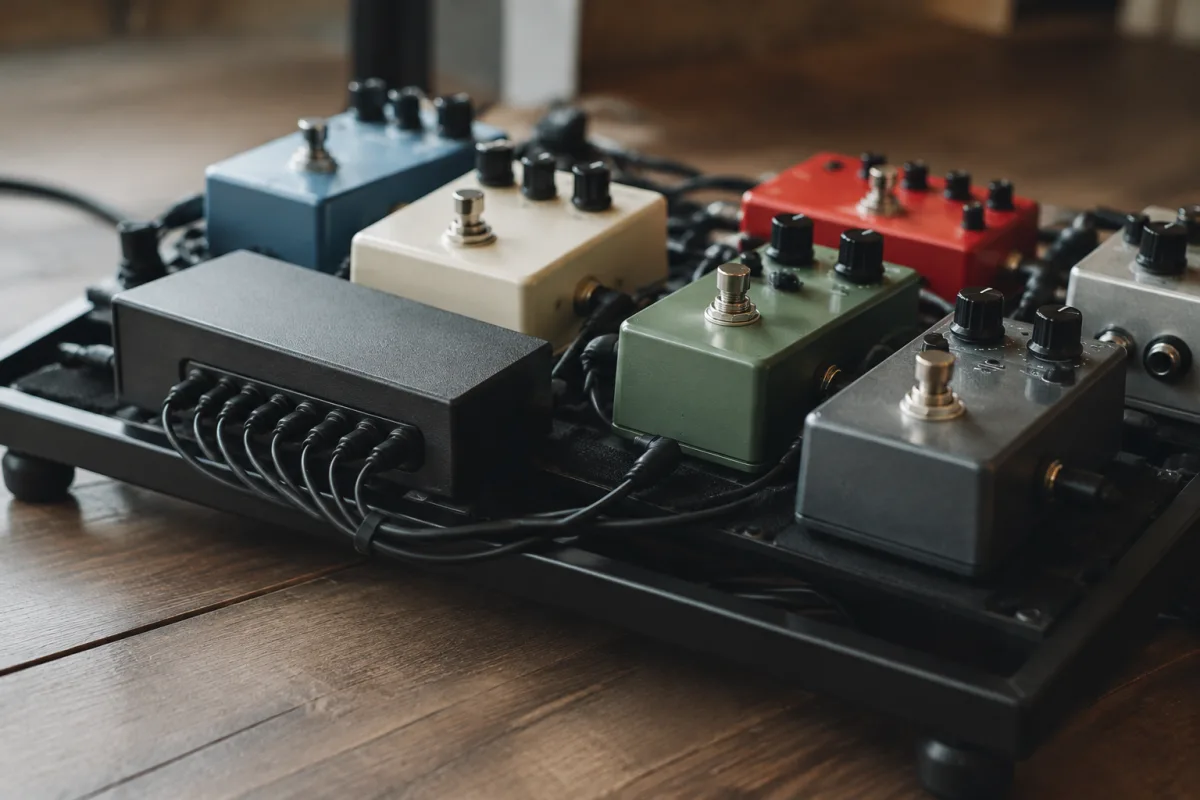
When your pedalboard grows beyond two or three effects, you'll quickly discover that standard daisy-chain power cables create problems. Noise increases. Pedal performance suffers. That's when a pedalboard isolated power supply becomes essential. Choosing the right pedalboard isolated power supply matters significantly, but the decision needn't be overwhelming. This guide focuses on practical buying considerations—what specifications actually matter, which features deliver value, and how to avoid costly mistakes when purchasing a pedalboard isolated power supply.
Understanding Pedalboard Isolated Power Supply Types
A pedalboard isolated power supply comes in several distinct categories. Compact pedalboard isolated power supply units designed for small setups offer basic isolation with minimal footprint. Mid-size pedalboard isolated power supply options balance capability and portability. Rack-mount pedalboard isolated power supply solutions suit touring professionals with extensive needs. Each category serves different uses—buying the right pedalboard isolated power supply for your actual setup prevents wasted investment. For a comprehensive overview of how isolated power supplies work and their benefits, read our complete guide to pedalboard isolated power supplies.
Some pedalboard isolated power supply models prioritise flexibility with multiple output options. Others focus on delivering clean, quiet power to any configuration. When evaluating pedalboard isolated power supply choices, consider whether you need USB outputs for digital pedals, multiple amp outputs, or switching capability. Different pedalboard isolated power supply solutions excel at different things.
Critical Specifications When Buying a Pedalboard Isolated Power Supply
Total available power (measured in watts or amperes) is your primary specification when purchasing a pedalboard isolated power supply. Calculate the power demands of your pedals—each effect usually lists its required current in milliamps. Add them up and ensure your chosen pedalboard isolated power supply exceeds that total comfortably. A pedalboard isolated power supply running at maximum capacity generates noise and potential instability; buying surplus capacity prevents this.
Isolation technology differs dramatically across pedalboard isolated power supply models. Transformer-based isolation in a pedalboard isolated power supply provides excellent noise rejection but adds weight and cost. Switching-mode pedalboard isolated power supply designs offer efficiency and lighter weight at lower price points. High-end pedalboard isolated power supply solutions sometimes use hybrid approaches combining benefits of both. Understanding your pedalboard isolated power supply's isolation method determines real-world noise performance.
Output configuration matters substantially when selecting a pedalboard isolated power supply. How many individual outputs does your chosen pedalboard isolated power supply provide? Are they fixed voltage (9V only) or adjustable across multiple voltages? Can your pedalboard isolated power supply accommodate pedals requiring different voltages simultaneously? Verify that your pedalboard isolated power supply's outputs match your specific pedal requirements before purchasing.
Noise Reduction and Audio Quality
The primary reason to buy a pedalboard isolated power supply is eliminating power-related noise. Budget pedalboard isolated power supply solutions may offer only modest noise reduction. Quality pedalboard isolated power supply units with proper isolation dramatically lower noise floor. Hear the difference immediately when you power your pedalboard with a quality pedalboard isolated power supply versus daisy-chain alternatives.
Some pedalboard isolated power supply models include filtering and conditioning features that further reduce noise. Premium pedalboard isolated power supply solutions incorporate digital filtering or additional transformer stages. Consider whether your particular pedalboard isolated power supply needs these advanced features based on how noisy your current setup is.
Test a pedalboard isolated power supply if possible before committing to purchase. Noise reduction is genuinely audible; a pedalboard isolated power supply either delivers the quiet you need or falls short of expectations. Reading specifications alone doesn't capture real-world performance.
Build Quality and Reliability Considerations
A pedalboard isolated power supply sees daily use in touring and studio environments. Quality construction matters. Professional pedalboard isolated power supply units use robust components rated for years of reliable operation. Budget pedalboard isolated power supply models may work initially but sometimes fail under consistent use.
Cable quality on your chosen pedalboard isolated power supply affects reliability. Cheap connector cables fray or fail prematurely. Quality pedalboard isolated power supply solutions include properly terminated cables that withstand regular disconnection and reconnection without degrading.
Thermal management becomes relevant in a pedalboard isolated power supply running near capacity. Does your pedalboard isolated power supply include ventilation? Can it dissipate heat effectively? An overheating pedalboard isolated power supply forces shutdown or potential damage—avoid this by choosing a unit with adequate thermal design.
Compatibility and Future-Proofing
Before buying a pedalboard isolated power supply, verify it powers your entire current pedalboard. Check voltage requirements, connector types, and power demands. Don't assume a pedalboard isolated power supply works with your setup without confirmation.
Consider whether you'll expand your pedalboard. A pedalboard isolated power supply that barely handles your current setup offers no room for growth. Plan ahead—buying a larger pedalboard isolated power supply now costs slightly more but eliminates replacement later.
Digital pedals sometimes require USB connection alongside power. Some pedalboard isolated power supply models include USB outputs; others don't. Verify your pedalboard isolated power supply provides necessary connectivity before purchase.
Price Ranges and Value Assessment
Budget pedalboard isolated power supply options (£30–£80) provide basic isolation and work adequately for small boards. Mid-range pedalboard isolated power supply solutions (£80–£200) offer substantially better noise reduction and greater flexibility. Professional pedalboard isolated power supply units (£200+) deliver superior isolation, build quality, and extensive features.
Don't assume premium pricing guarantees superiority. Research specific pedalboard isolated power supply models thoroughly rather than trusting price alone. A well-reviewed mid-range pedalboard isolated power supply often outperforms an expensive option that doesn't suit your particular needs.
Common Mistakes When Buying a Pedalboard Isolated Power Supply
Underestimating future power needs leaves you replacing your pedalboard isolated power supply prematurely. Musicians consistently add pedals; buy a pedalboard isolated power supply with surplus capacity now.
Purchasing a pedalboard isolated power supply without confirming connector compatibility wastes money. Different pedalboard isolated power supply models use different connector types. Verify before buying that your chosen pedalboard isolated power supply plugs directly into your pedals without adapters.
Assuming all pedalboard isolated power supply models deliver equivalent noise reduction ignores technology differences. Test-drive recommendations from musicians with similar setups rather than selecting a pedalboard isolated power supply based solely on brand reputation.
Overlooking cable length when purchasing a pedalboard isolated power supply creates mounting frustration. Verify that your pedalboard isolated power supply's cables reach all your pedals comfortably. A pedalboard isolated power supply with insufficient cable length doesn't work.
Making Your Final Purchase Decision
List your current pedals and their power requirements. Calculate total watts or amperes needed. Add 50% to that figure as your pedalboard isolated power supply target capacity. This approach ensures your pedalboard isolated power supply handles current needs comfortably with room for growth.
Prioritise isolation quality in your pedalboard isolated power supply choice. Noise reduction is the entire purpose of upgrading from daisy-chain. A pedalboard isolated power supply that doesn't substantially quiet your system fails its primary function.
Read actual user reviews from musicians with similar pedalboard setups. Learn what their particular pedalboard isolated power supply choice accomplished for their noise issues. User experiences often reveal real-world performance that specifications miss.
When possible, borrow a pedalboard isolated power supply before purchasing. Testing with your actual pedals eliminates uncertainty. That temporary investment of time prevents costly purchasing mistakes with your permanent pedalboard isolated power supply decision.


Comments