


Digital Audio Tape Players article
The Complete Guide to Digital Audio Tape Players
Digital audio tape players were a revolution in professional recording, offering CD-quality fidelity on portable tape cassettes. Discover the technology, history and enduring appeal of DAT machines.
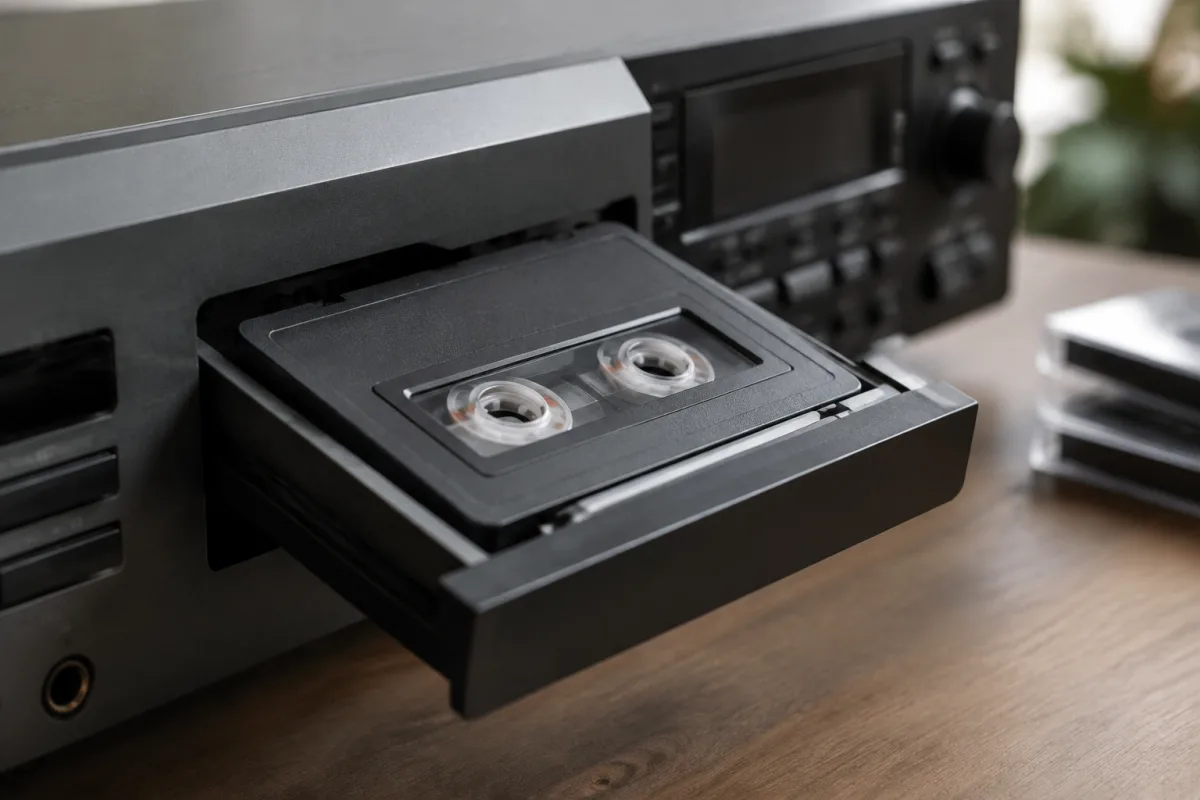
Digital audio tape players represent a fascinating chapter in recording history, bridging the gap between analogue tape's warmth and digital recording's precision and fidelity. Though largely superseded by hard drive and cloud-based storage, these machines remain prized by engineers and musicians who value their sonic character and reliability. This guide explores the technology, sound characteristics and enduring appeal of this specialised equipment.
What Is Digital Audio Tape Technology?
A digital audio tape player is a recording and playback device that stores audio on small magnetic cassettes using digital compression. DAT technology offers higher fidelity and recording duration than analogue cassettes whilst maintaining a portable form factor. Unlike computer-based recording, these machines capture sound to physical media, providing a tangible backup and a distinctive workflow that some recording professionals still prefer.
The History of DAT
Digital audio tape technology emerged in the 1980s, developed by Philips, Sony and other manufacturers as a response to compact discs' success. DAT machines offered a superior alternative to analogue cassettes, with frequency response matching CDs (20Hz–20kHz) and dramatically lower noise. Professional studios adopted the technology rapidly for mastering, archiving and location recording. Consumer models followed, though copyright protection measures limited their adoption in the home market.
How These Machines Work
Recording Technology
Digital audio tape players use helical scan technology—similar to VCRs—where a rotating head records data diagonally across fast-moving tape. This compact recording method allows extended recording time on tiny cassettes (typically 10–120 minutes depending on format). The compression algorithm achieves CD-quality results with remarkable efficiency using minimal tape.
Sampling and Fidelity
Most machines record at 16-bit, 44.1 kHz sampling—identical to compact disc standards. Professional digital audio tape decks offer 48 kHz or even 32 kHz options for broadcast work. Some formats include track markers, timecode and metadata capabilities, making them ideal for structured recording and editing workflows in professional environments.
Types of Equipment
Portable Recorders
Portable DAT machines were designed for field recording—broadcast journalists, location sound engineers and musicians used handheld units for news gathering and live event recording. These machines are rugged, battery-powered and feature built-in microphones alongside professional XLR inputs, making them ideal for capturing performances and interviews.
Rack-Mount Mastering Decks
Professional mastering facilities employed rack-mount designs for capturing final masters before CD replication. These units offer precise transport controls, timecode synchronisation and audiophile-grade converters. Many studios archived masters to digital audio tape before transitioning to hard drives, preserving important recordings on reliable physical media.
Consumer Deck Recorders
Consumer models were designed for home enthusiasts, offering cassette decks similar in aesthetic to Hi-Fi equipment. Despite superior sound, copyright protection measures and the rise of MiniDisc and later MP3 players limited consumer adoption significantly.
Sound Characteristics and Sonic Appeal
Unlike purely digital recording chains, machines using this technology introduce subtle sonic characteristics from their recording head, tape formulation and playback electronics. Many engineers report that recordings possess a slightly warmer, more natural quality than direct digital-to-hard-drive capture. This subjective difference—whether real or psychoacoustic—explains why some professionals continue using digital audio tape equipment decades after its commercial peak.
Advantages and Disadvantages
Comparing Formats
| Advantage | Disadvantage |
|---|---|
| Reliable archival medium (30+ year lifespan if stored properly) | Cassettes degrade over time; exact lifespan uncertain |
| No electricity required for playback (with battery power) | Tape transport can be unreliable after years of disuse |
| High fidelity audio (CD-quality or better) | Requires specialised equipment for playback |
| Compact physical media; easy to store | Cassettes are easy to misplace or damage |
| Distinctive sonic character appreciated by engineers | Purely subjective; others hear no difference from digital |
Finding and Using Vintage Equipment
Secondhand professional machines remain available from auctions and specialist dealers. Prices vary widely based on condition and model rarity. Before purchasing any unit, verify it powers on, inspect the transport for smooth operation and test playback on a known good cassette. Servicing of digital audio tape equipment is possible but increasingly rare—technicians familiar with these machines are becoming scarce.
DAT in Modern Recording
Though few new recordings begin using digital audio tape, some mastering engineers and archivists maintain these machines for legacy support. Museums and institutions preserve important recordings archived to this format. Some artists embrace DAT as an intentional creative choice, valuing its tactile workflow and distinct sonic signature in an age of infinite digital flexibility.
Conclusion
Digital audio tape players stand as a testament to pre-internet recording technology—a bridge between analogue warmth and digital precision that offered genuine advantages before computers became the default medium. Whether you encounter these machines in professional studios, archival collections or as curiosities at music shops, understanding their design and capabilities reveals why they commanded respect and loyalty from engineers. For today's digital-native musicians, exploring this technology offers perspective on how audio was captured before cloud storage and DAWs—a reminder that reliability, fidelity and workflow have always shaped how we record music.



Comments