


Digital Audio Tape Players Buying guide
Digital Audio Tape Players: A Complete Buyer's Guide
Selecting the right digital audio tape player involves understanding key specifications, build quality, connectivity options, and price tiers. This comprehensive buying guide helps you make an informed purchase decision.
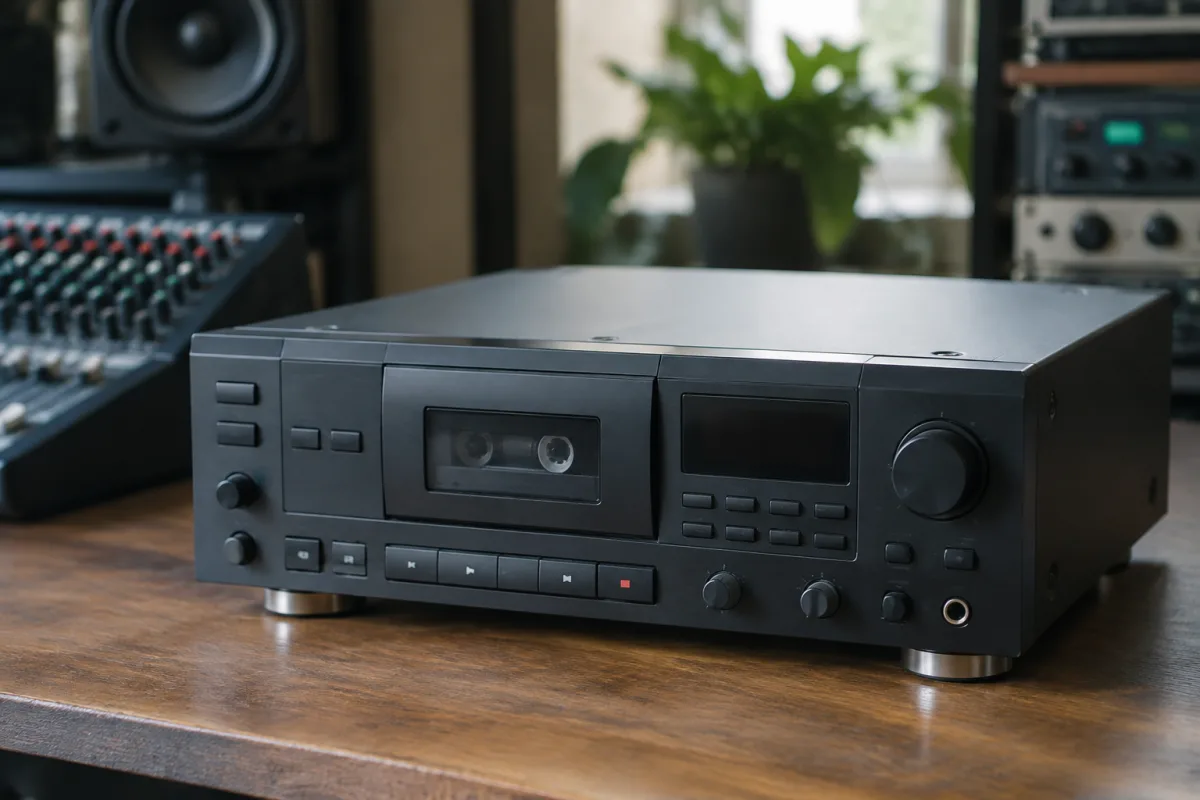
Choosing the right digital audio tape (DAT) player can be challenging, especially if you're navigating the technical specifications and various models available on the market. Whether you're a professional audio engineer, a music enthusiast, or someone looking to preserve legacy recordings, understanding what to look for will ensure you select a digital audio tape player that meets your needs and budget. This guide walks you through the essential criteria, features, and considerations that should inform your purchasing decision.
Understanding the Essential Specifications
Before purchasing digital audio tape players, familiarise yourself with the key technical specifications that differentiate one model from another. The most critical spec is sampling rate, typically 48 kHz for professional models and 44.1 kHz or both options for consumer-grade machines. Resolution matters as well—most DAT recorders offer 16-bit or 24-bit depth, with 24-bit providing superior dynamic range and detail capture.
Tape capacity varies significantly between models. Standard DAT cartridges record for 60, 90, or 120 minutes depending on the tape length and sampling rate selected. Consider how long you typically need to record in a single session. Frequency response is another vital metric—professional digital audio tape players should cover at least 20 Hz to 20 kHz, matching the range of human hearing.
Look closely at the signal-to-noise ratio (SNR), which should exceed 95 dB for quality reproduction. Check whether the unit supports both recording and playback, or if it's playback-only, as this significantly impacts utility and price. Battery life, if portable, typically ranges from 4 to 8 hours depending on the model and battery type.
Connectivity and Interface Options
Examine the input and output connectivity carefully. Professional digital audio tape players feature XLR balanced connectors for audio, which reduce noise and interference over longer cable runs. Some models include RCA unbalanced connectors as well, offering flexibility for different setups. Digital inputs and outputs—via S/PDIF or AES/EBU—are valuable if you're transferring audio to computer workstations or other digital devices without analogue conversion.
USB connectivity is increasingly common on newer digital audio tape players, enabling direct transfer of recordings to computers. This feature is particularly useful if you're digitising archived DAT tapes or want seamless integration with modern recording software. Check whether the unit includes a headphone output with independent level control, essential for monitoring during recording sessions.
Remote control capabilities vary across models. Some professional digital audio tape players include optional remote units, whilst others rely on front-panel buttons alone. If you're operating the recorder from a distance or need hands-free operation, remote functionality becomes important.
Tape Speed and Recording Formats
Most digital audio tape players operate at either full speed (recording at the tape's standard 48 kHz or 44.1 kHz) or long play mode (LP), which doubles tape capacity at the cost of lower sampling rates. Full-speed recording on digital audio tape players ensures maximum audio quality and is recommended for professional archival work. LP mode suits applications where extended recording time matters more than pristine quality.
Check whether the unit supports multiple recording formats. Some professional models allow switching between formats on the fly, providing flexibility for different project requirements. Ensure any digital audio tape player you're considering is compatible with standard DAT cartridges and hasn't been discontinued or restricted to proprietary tape formats.
Build Quality and Durability
Transport mechanism quality directly influences the lifespan of your digital audio tape player and the safety of your recordings. Look for models with sealed tape compartments, which protect against dust and environmental contamination. Professional-grade units typically feature higher-quality tape paths, reducing the risk of tape jamming or damage.
The physical condition of used digital audio tape players deserves careful inspection. Check for signs of wear on the tape guide rollers, capstan, and pinch roller—components that contact the tape directly. These parts can be replaced, but replacement labour can be costly. Request a sample recording from the seller to verify proper operation before purchasing second-hand units.
Temperature stability is worth considering. Digital audio tape players perform best in controlled environments. Models built to professional standards typically include better thermal regulation, protecting sensitive electronics and maintaining calibration accuracy over time.
Price Tiers and Market Options
| Category | Price Range | Best For | Key Features |
|---|---|---|---|
| Consumer Entry-Level | £200–£400 | Casual recording, archival playback | Basic XLR connectivity, 16-bit recording, portable design |
| Semi-Professional | £400–£800 | Small studios, podcasters, field recording | Balanced inputs, 24-bit support, better build quality, USB connectivity |
| Professional Studio | £800–£2,000+ | Professional archives, mastering, broadcast | Full-featured interfaces, XLR/AES connectivity, superior transport, optional remote control |
Budget considerations extend beyond the initial purchase price. Factor in the cost of DAT cartridges, which range from £5 to £15 each depending on tape length and quality. Professional archival-grade tapes cost more but offer better longevity. Maintenance and potential repair costs should also influence your decision, particularly for older or second-hand digital audio tape players.
Common Pitfalls to Avoid
Purchasing a playback-only digital audio tape player when you need recording capability is a frequent mistake. Verify the unit's recording functionality before committing. Similarly, overlooking compatibility between your digital audio tape player and the tape format you intend to use can lead to wasted money. Confirm that any model you're considering accepts standard DAT cartridges.
Underestimating the importance of proper tape maintenance and storage conditions can compromise your recordings. Digital audio tape players require clean tape paths and proper environmental controls. Some buyers purchase units without testing them first, leading to costly malfunctions after purchase.
Another common error is ignoring compatibility with your existing audio system. Ensure the digital audio tape player's connectivity options (XLR, RCA, USB, or digital outputs) match your recording interface or mixing console. Mismatched impedance or connector types can complicate setup.
Don't overlook the importance of warranty or return policies, especially when buying online or from private sellers. Professional digital audio tape players are specialised equipment, and finding a reliable replacement or repair source is essential.
Where to Buy and What to Verify
Purchase digital audio tape players from authorised retailers, specialist audio equipment suppliers, or reputable second-hand marketplaces with buyer protection. Avoid private sales without extensive testing opportunities. Request detailed photographs and operational demonstrations before committing to a purchase.
When evaluating used models, ask about service history and any repairs undertaken. Units that have been professionally maintained typically offer better reliability than those with unknown backgrounds. If possible, request a sample recording or demonstration of the specific model before purchase.
For more detailed information on digital audio tape technology and professional recording practices, consult our complete guide to digital audio tape players, which covers the technology's background, applications, and broader context within the recording industry.
Making Your Final Decision
Selecting the right digital audio tape player requires balancing your budget, technical requirements, and intended use case. A budget entry-level model might suffice for occasional archival playback, whilst professional archival work or studio recording justifies investment in premium equipment. Consider your long-term needs—if you plan to expand your recording activities, choosing a more capable unit now prevents costly upgrades later.
Test the digital audio tape player thoroughly before purchase. Check tape transport smoothness, verify all connectors function properly, and confirm audio quality meets your expectations. Take time to understand the user interface and control layout, ensuring you're comfortable operating the unit. With careful consideration of these factors, you'll select a digital audio tape player that delivers reliable performance and meets your audio recording and playback needs for years to come.


Comments