


Digital Audio Tape Players article
Digital Audio Tape Players for Beginners: A Complete Guide
Digital audio tape players might seem intimidating, but they're genuinely approachable once you understand the basics. This beginner's guide removes the mystery and gets you recording confidently.
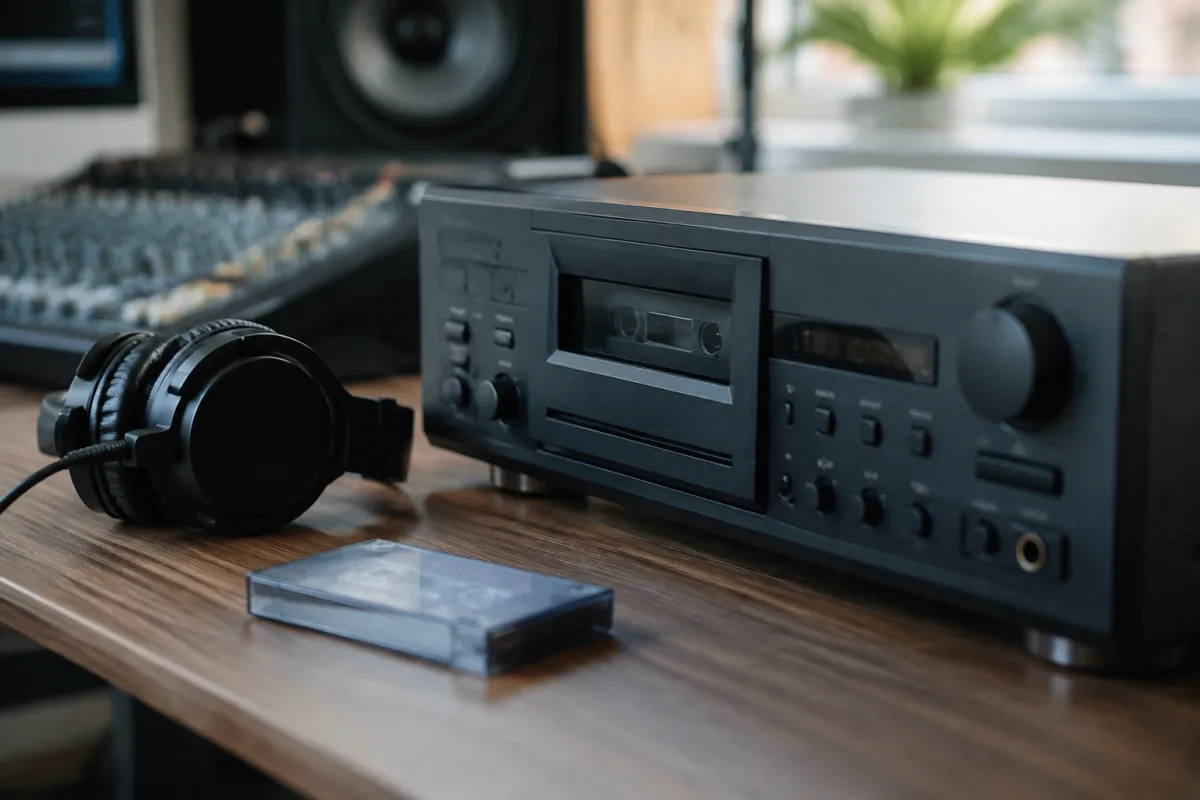
Digital audio tape players might seem intimidating if you're encountering them for the first time, but they're genuinely approachable once you understand the basics. If you've found yourself curious about digital audio tape players—whether through archival audio work, professional recording interest, or sheer technological curiosity—this beginner's guide removes the mystery. You'll discover that digital audio tape players aren't nearly as complicated as audio terminology suggests, and you can start meaningful work with one without years of technical training.
What Digital Audio Tape Players Are (Without the Technical Jargon)
Think of digital audio tape players as the bridge between old-school cassette recording and modern digital audio. Digital audio tape players use tape-based technology, but instead of recording sound as an analogue waveform like cassettes, they convert sound into digital information and store it on magnetic tape. The result? Extraordinarily high audio quality that rivals many digital formats, but on a physical format that's portable and tactile.
Many beginners worry that digital audio tape players require deep technical understanding, but the reality is far simpler: if you've ever used a cassette player or basic recording equipment, the core concepts are already familiar to you. Modern digital audio tape players handle the complex mathematics automatically, leaving you free to focus on capturing great sound.
Why Beginners Should Consider Digital Audio Tape Players
If you work in any field involving serious audio recording, digital audio tape players deserve your attention. Musicians use digital audio tape players for mastering work and archival recording. Radio engineers rely on digital audio tape players for broadcast-quality backup recordings. Even hobbyists who care about pristine audio quality often discover digital audio tape players deliver reliability and sound character that justifies learning their operation.
The encouraging truth: you don't need to understand why digital audio tape players work—only how to operate them. This guide focuses on practical skills that get you productive immediately.
Your First Digital Audio Tape Players Purchase: What Matters
When choosing your first digital audio tape players equipment, focus on these beginner-friendly priorities:
- Consumer vs Professional Models: You don't need professional-grade digital audio tape players to start learning. Consumer models cost significantly less and deliver sufficient performance for beginners. Reserve professional equipment for when you've developed specific needs.
- Reliable Condition: Buying used digital audio tape players requires checking that the deck operates smoothly—play transport, pause function, and clean tape path matter enormously. Test these functions before purchasing.
- Tape Availability: Before buying digital audio tape players, verify you can source recording tape locally or online at reasonable cost. Blank DAT cassettes remain available but aren't as ubiquitous as other media.
- Simple Feature Set: Beginner digital audio tape players should emphasize reliability over advanced features. Skip models loaded with professional functions you won't use. Simpler equipment means fewer things to learn and fewer potential failure points.
Getting Started: Your First Day with Digital Audio Tape Players
The encouraging reality of digital audio tape players is that basic operation requires only four steps:
- Insert blank tape: Most digital audio tape players use front-loading cassette insertion, identical to consumer cassette decks you may have used decades ago. Open the compartment, slide the cassette in, close it gently.
- Set your recording level: Using the input level control, adjust so your audio registers in the optimal range on the level meter. Beginners often fear this step—it's simply preventing the signal from distorting (too loud) or disappearing (too quiet). Trial recording for thirty seconds teaches you the appropriate level faster than any explanation.
- Press record: Most digital audio tape players require simultaneously pressing record and play, precisely like VCRs. This double-press prevents accidental recording. It becomes automatic within minutes of practice.
- Monitor your progress: Keep an eye on the level metres during recording. Digital audio tape players simplify this by displaying real-time feedback that reveals immediately if something's wrong.
That's genuinely all the operational complexity you need initially. The learning curve is shallower than you'd expect.
Common First-Timer Mistakes with Digital Audio Tape Players
Beginners typically stumble on these easily-avoidable issues:
- Incorrect tape orientation: Digital audio tape players cassettes sometimes confuse first-timers about which way they insert. Check your equipment's manual for a clear diagram—this takes thirty seconds and prevents playback frustration.
- Recording at excessive levels: The temptation to maximize recording volume is powerful, but digital audio tape players perform best when recording slightly below peak levels. Beginners learn this through trial, or you can simply dial back the input level by 20% from maximum.
- Neglecting head cleaning: Digital audio tape players read data from tape using laser and mechanical heads that accumulate oxide buildup. Every ten hours of use, cleaning the transport path prevents eventual playback errors. This involves opening the cassette compartment and wiping accessible surfaces with a soft brush—elementary maintenance that takes two minutes.
- Mishandling tapes outside the deck: Unlike solid-state storage, digital audio tape players tape is delicate. Dropping cassettes, exposing them to extreme temperatures, or storing them vertically can damage data. Treat your cassettes with the care you'd give important documents.
- Expecting perfection immediately: Your first recordings might have subtle level inconsistencies or minor timing variations. This is completely normal. Digital audio tape players improve noticeably once you've completed five or six recording sessions.
Your Easiest Path to Confidence
Start small and build your skills deliberately. Make your first recording a simple mono test—speaking into a microphone produces immediate feedback on whether your equipment operates correctly. Once you've successfully recorded and played back your own voice, you've mastered the most essential skill. Everything else follows naturally from this foundation.
For more comprehensive context about digital audio tape players technology, features, and options, explore our complete guide to digital audio tape players, which covers the technical background and deeper capabilities once you're past the initial learning phase.
Why Beginners Often Overestimate the Difficulty
Digital audio tape players carry an intimidating reputation largely because audio professionals use technical terminology when discussing them. "Sampling rate," "bit depth," and "error correction" sound complex, but they're solving problems that the equipment handles automatically. You literally do not need to understand these concepts to make professional-quality recordings on digital audio tape players. Professionals study these details to optimise for specific situations—beginners gain 95% of the value through simple operation.
The honest assessment: digital audio tape players require less learning than learning to drive a car, operate a modern camera, or master a musical instrument. Your first session will feel unfamiliar. Your second session becomes noticeably easier. By your fifth session, operating digital audio tape players becomes as automatic as using familiar technology you've used for years.
The encouragement every beginner needs: thousands of people with zero prior audio experience have successfully learned digital audio tape players. You can too. Start with straightforward recording tasks, accept that your early attempts might be imperfect, and trust that competence develops through practice rather than study.


Comments