


Chase Bliss Pedal article
Everything You Need to Know About New Chase Bliss Pedal
Chase Bliss has earned a reputation as one of the most innovative effects pedal manufacturers working today, building instruments that challenge how we think about guitar and synth effects.
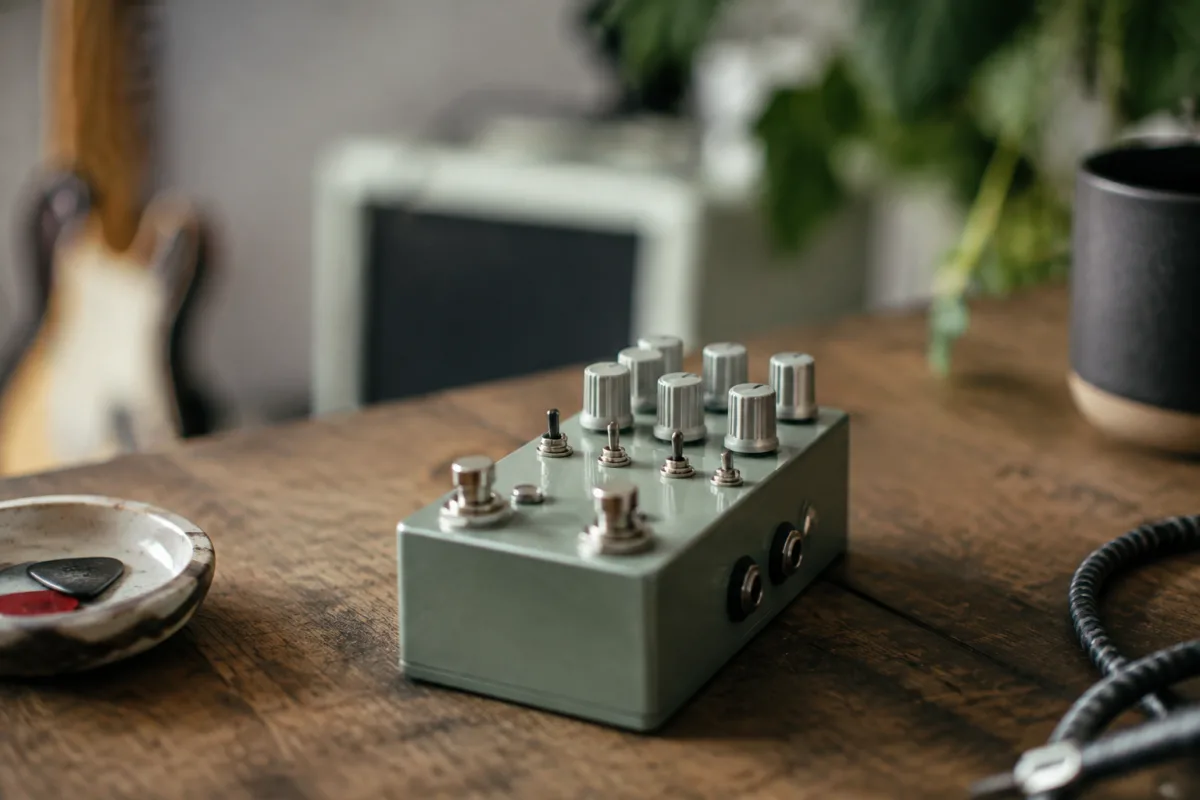
Chase Bliss Pedal: Exploring Experimental Effects Design
Chase Bliss has earned a reputation as one of the most innovative effects pedal manufacturers working today, building instruments that challenge how we think about guitar and synth effects. Their Chase Bliss pedal designs focus on deep parameter control, experimental algorithms, and beautiful aesthetics. If you've encountered their work—whether watching a YouTuber coax strange, wonderful sounds from a Chase Bliss device or reading about their cult following among experimental musicians—you might wonder whether their approach suits your needs.
The Chase Bliss Philosophy
Chase Bliss pedals aren't designed to compete on price or simplicity. Instead, founder Joel Korte and his team build effects that prioritise sonic exploration and parameter control above all else. A typical Chase Bliss pedal offers far more adjustment options than traditional effects—often 20+ parameters you can tweak and save into preset slots. This philosophy attracts musicians who want to sculpt sounds precisely rather than simply choosing from preset knobs.
The brand also emphasises beautiful hardware design. Chase Bliss pedals are visually striking, with hand-assembled components, elegant layouts, and attention to tactile quality. They're designed to inspire creativity through their appearance as much as their sound. Using a Chase Bliss pedal feels like wielding a precision instrument rather than pressing a standard effects box.
Deep Parameter Control and Tweakability
Where traditional effect pedals might offer three controls—tone, level, and mix—a Chase Bliss pedal typically offers dozens of parameters. Want to adjust how quickly the reverb decay responds? That's available. Need to fine-tune the specific frequency the filter targets? Chase Bliss lets you dial that in precisely. This depth enables genuinely unique tones that would be impossible on conventional effects.
The pedals feature onboard screens or LED indicators that help you navigate and adjust parameters. Some models offer expression pedal connectivity for real-time parameter sweeping. You can save up to eight presets on most models, allowing you to switch between completely different settings instantly.
This flexibility comes with a learning curve. Chase Bliss pedals demand engagement—you need to explore, understand the parameters, and develop your preferences. For players accustomed to plug-and-play effects, the initial experience can feel overwhelming. But musicians who embrace this approach unlock extraordinary sonic possibilities.
Popular Chase Bliss Pedal Models
The Blooper is a looper pedal unlike conventional loopers. Rather than simply recording and playing back loops, the Blooper lets you sculpt your recordings with multiple parameters. You can alter the feedback, tone, and playback characteristics of your loops in real-time, turning simple chord progressions into evolving sonic textures.
The Wombtone is a tremolo effect, but calling it "just tremolo" undersells what it actually does. The parameters allow everything from subtle volume modulation to extreme, rhythmic effects. Paired with an expression pedal, the Wombtone becomes an instrument capable of generating textures far removed from standard tremolo sounds.
The Gravitas is a modulation pedal that combines reverb-like spaciousness with rhythmic modulation. The deep parameter control allows you to shape the tone dramatically—anything from subtle enhancement to complete sonic transformation. Musicians use the Gravitas for everything from ambient texture generation to rhythmic modulation effects.
The Preamp Mk2 is a drive/overdrive pedal with extensive EQ and tone-shaping options. Rather than just providing gain and output level like standard drives, the Preamp Mk2 lets you precisely shape the tone before and after gain, enabling combinations impossible on traditional overdrives.
Chase Bliss Pedals for Different Applications
Experimental and ambient musicians find Chase Bliss pedals invaluable. The deep parameter control and preset storage enable complex, evolving soundscapes. A single Chase Bliss pedal in an experimental music setup can generate entire performances' worth of varied textures through parameter exploration.
Session musicians and producers use Chase Bliss pedals when they need specific sonic colours unavailable elsewhere. Rather than using standard effects, they'll reach for a Chase Bliss device to add distinctive character to recordings. The hand-assembled quality and attention to audio fidelity appeal to professionals who care deeply about tone.
Synth players increasingly integrate Chase Bliss pedals into their setups. The pedals work wonderfully on synthesisers as well as guitars, and the experimental design philosophy aligns with the synth community's emphasis on sonic exploration. Many contemporary electronic musicians include Chase Bliss effects in their signal chains.
Performance artists and live musicians use Chase Bliss pedals when they want visible, tactile control during performances. The beautiful hardware design and hands-on parameter adjustment make Chase Bliss pedals visually interesting during live shows, adding performance value beyond mere sound.
Sound Quality and Signal Path
Chase Bliss pedals prioritise audio fidelity. The signal path is carefully designed to minimise noise and colouration. Most models feature true bypass switching, meaning your signal remains unaffected when the pedal is off. The components are selected for audio quality rather than cost reduction.
The algorithms are sophisticated digital designs, often based on research into vintage effects or new experimental concepts. Chase Bliss doesn't chase trends—they develop algorithms that genuinely interest them, then optimise them obsessively. This results in effects that sound distinctly like Chase Bliss, instantly recognisable to musicians familiar with the brand.
Price and Accessibility
Chase Bliss pedals are expensive. Typical models cost £400-£600 new, with some specialty or limited runs exceeding £700. These prices reflect the hand-assembled construction, sophisticated algorithms, and beautiful hardware design. For comparison, budget multi-effects units cost £100-£200, whilst quality single effects average £150-£300.
This pricing means Chase Bliss pedals aren't suitable for every budget. If you're building your first pedalboard or have limited funds, conventional effects offer better value. But if you have specific sonic goals or want to explore effects deeply, a Chase Bliss pedal often justifies its cost through the unique capabilities it provides.
The used market for Chase Bliss pedals remains relatively strong. You'll occasionally find used models for 60-70% of retail prices. Given how well-built these pedals are, purchasing used is sensible if budget is a concern.
Learning Curve and Documentation
Chase Bliss provides user manuals for their pedals, but the depth of parameters means you'll spend time exploring to unlock the full potential. Online communities discuss Chase Bliss pedals extensively, with enthusiasts sharing preset tips and parameter recommendations. YouTube hosts numerous deep dives into specific Chase Bliss models.
The learning investment matters. Expect to spend several hours with a new Chase Bliss pedal before you fully understand its capabilities. But once you've invested that time, you'll discover that the pedal rewards careful exploration with genuinely unique sounds unavailable elsewhere.
Comparing Chase Bliss to Alternatives
Standard effects pedals offer simplicity and immediate usability. A typical reverb pedal has three controls and works well straight out of the box. Chase Bliss pedals demand engagement but offer far greater flexibility once you've invested time in learning them.
Expensive multi-effects units like Helix provide vast effect libraries and simple editing interfaces. They work brilliantly for players who want variety without deep sonic exploration. Chase Bliss pedals prioritise depth over breadth—one pedal explored thoroughly rather than dozens of effects used casually.
Boutique effect manufacturers like Eventide also emphasise sound quality and deep parameter control. If you're choosing between Chase Bliss and other premium brands, it often comes down to specific sound preferences and which effects interest you most. Audition if possible—these pedals are personal instruments.
Building a Pedalboard with Chase Bliss
Chase Bliss pedals integrate well with other quality effects. A typical setup might combine a Chase Bliss drive pedal with conventional modulation effects and a Chase Bliss reverb or delay. The combination provides both familiar and experimental sonic options depending on what you need.
Power requirements matter. Chase Bliss pedals typically require 100mA or more of current, meaning quality isolated power supplies are essential. Budget pedalboard power supplies might struggle with multiple demanding pedals—invest in professional-grade power if you're building seriously.
Signal chain order affects how the pedals interact. Conventional wisdom suggests drives first, modulation effects in the middle, and reverb/delay last. Chase Bliss pedals work within this framework, though the deep parameter control sometimes enables unconventional placements to work brilliantly.
Durability and Build Quality
Chase Bliss pedals are built to last. The hand-assembled construction and attention to component quality mean these pedals resist wear and tear. Musicians use the same Chase Bliss pedals for years or decades without reliability issues. The beautiful design means they still look lovely after extended use.
Conclusion
A Chase Bliss pedal is an investment in sonic exploration rather than a simple effect. If you appreciate parameter control, experimental sounds, and beautiful hardware design, Chase Bliss offers something genuinely different from conventional effects pedals. The learning curve and premium pricing aren't for everyone, but musicians who embrace what Chase Bliss represents discover an invaluable tool for creative expression. Whether you're building an experimental rig or looking for a signature sound unavailable elsewhere, a Chase Bliss pedal rewards curiosity and investment with sounds that truly justify its place on your board.





Comments