


Chase Bliss Pedal article
Chase Bliss Pedal for Beginners: A Complete Guide
Chase Bliss Audio makes some of the most sophisticated guitar effect pedals in the world, but their reputation for complexity intimidates many beginners. The truth: their sophistication serves musicians, not confuses them. This guide shows why Chase Bliss deserves beginner consideration.
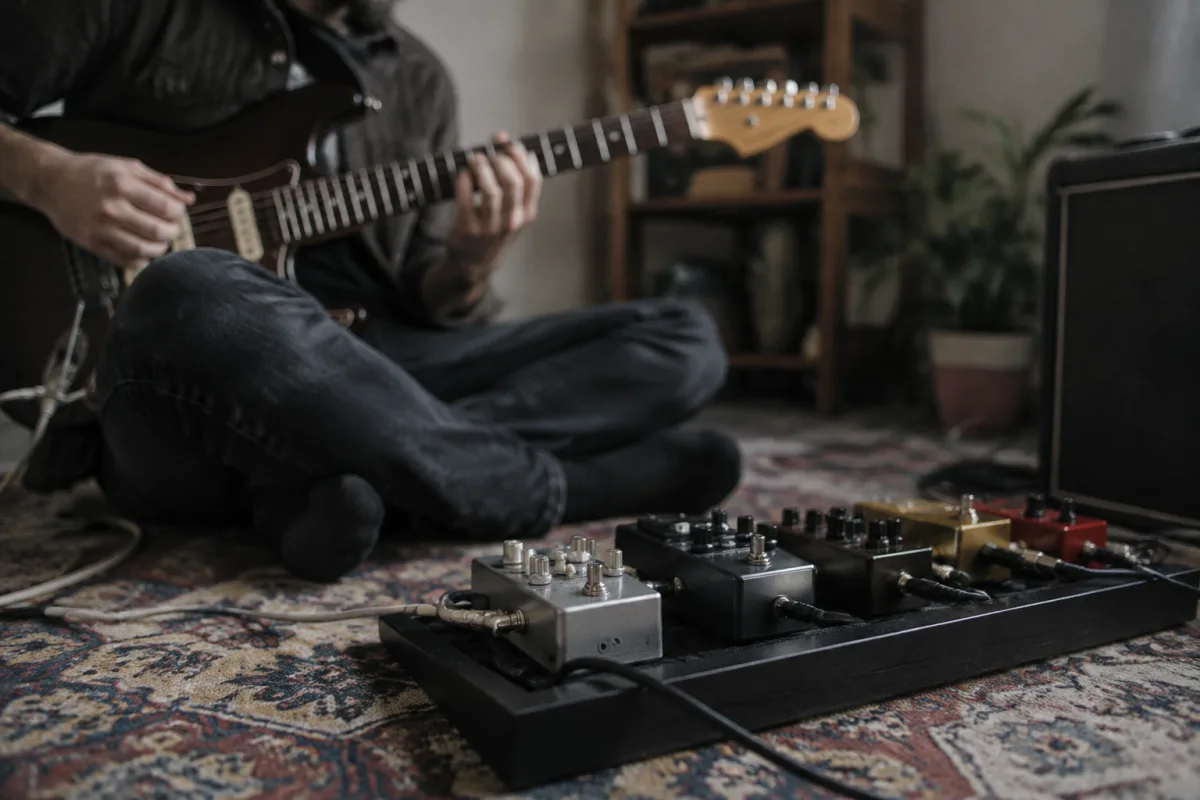
Chase Bliss Audio makes some of the most talked-about guitar effect pedals in the world, but their reputation for complexity intimidates many beginners. Yes, their pedals are sophisticated—but that sophistication exists to serve musicians, not confuse them. This guide demystifies Chase Bliss pedals for beginners, showing why they deserve consideration even if you're just starting to explore effects, and how to approach them without feeling overwhelmed.
What Is Chase Bliss Audio?
Chase Bliss is an American effect pedal manufacturer founded by Joel Korte, known for creating pedals that push the boundaries of what effects can do. Rather than copying existing designs, Chase Bliss innovates—creating pedals with capabilities you didn't know you wanted until you started using them. This forward-thinking approach has made them beloved by tone-obsessed guitarists and studio musicians.
The misconception: Chase Bliss pedals are only for advanced players. The reality: they're for anyone who wants effects that grow with them. A beginner using a Chase Bliss pedal today can explore that pedal for years as their skill develops and musical taste evolves.
Understanding Chase Bliss Pedal Range
Chase Bliss pedals divide into clear categories. Modulation pedals (chorus, vibrato, tremolo variants) create movement and dimension. Reverb and delay pedals offer spatial effects. Drive/overdrive pedals shape tone and sustain. Each category includes multiple options, each with distinct character and price point.
Unlike massive multi-effects units, Chase Bliss specialises in single-effect pedals that do one thing exceptionally well. This focus means you're learning deep mastery of one effect rather than surface-level understanding of dozens. For beginners, this depth is genuinely educational.
Why Beginners Might Consider Chase Bliss
Learning curve investment: yes, Chase Bliss pedals feature more parameters than beginner-oriented pedals. But this complexity is forgiving—you don't need to understand every parameter to get great sounds immediately. Basic usage is straightforward; deep mastery develops as you explore.
Longevity: many guitarists purchase cheap beginner pedals, outgrow them within 12 months, and invest in "real" pedals. Chase Bliss pedals are those "real" pedals. Purchasing one from the start means you're investing once rather than twice.
Community: the Chase Bliss community is welcoming and helpful. Online forums teem with users generously sharing preset ideas and techniques. Learning from experienced players accelerates your development.
Resale value: Chase Bliss pedals maintain exceptional resale value. If you purchase a pedal and discover it doesn't fit your needs, selling it recovers 70-85% of your investment. This low financial risk makes experimentation affordable.
Beginner-Friendly Chase Bliss Starting Points
The Wombtone is an excellent entry point—a chorus pedal that sounds incredible across wide parameter ranges. Beginners find it immediately rewarding whilst offering genuine exploration depth.
Habit is a tremolo pedal offering similar beginner accessibility. Tremolo is easier to understand than some effects, and Habit's implementation is exceptionally musical.
Generation Loss is a legendary tape delay emulation. If delay appeals to you, this pedal teaches delay deeply whilst sounding beautiful at all settings.
These pedals aren't cheaper than alternatives—Chase Bliss isn't budget-focused. But they're accessible without intimidating beginners. Start with whichever effect category genuinely excites you rather than what others recommend.
Common Beginner Misconceptions
Misconception one: you need to understand all parameters before using a Chase Bliss pedal. Untrue. Plug in, turn knobs, listen. You'll gravitate toward sounds you love intuitively. Understanding parameters comes through playing, not prerequisite study.
Misconception two: Chase Bliss pedals are only for experimental players. Untrue. Whilst they do experimental effects beautifully, they're equally at home delivering classic sounds. Wombtone sounds like classic chorus; Habit sounds like timeless tremolo.
Misconception three: complex pedals make music sound complicated. Untrue. Chase Bliss pedals can sound as simple or complex as you want. Simple settings sound incredible; complex settings exist for exploration, not requirement.
Misconception four: you need fancy expression pedals and MIDI controllers to use Chase Bliss. Untrue. All pedals function perfectly as-is. Fancy additions enhance options; they're never mandatory.
Getting Started Practically
Purchase from authorised retailers offering 30-day returns. This low-risk trial period lets you genuinely experiment without commitment pressure. If a pedal doesn't align with your needs, return it for a refund.
Invest 2-3 hours initially exploring the pedal without reading manuals. Play and listen. Notice what parameter changes affect. Develop intuition through hands-on engagement rather than theoretical study.
After initial exploration, read the manual or watch tutorial videos. Now that you have experiential context, technical information makes sense. You'll learn faster because you're connecting new knowledge to hands-on understanding.
Join online communities. Post questions confidently. The Chase Bliss community celebrates beginners asking questions and generously shares knowledge.
Progression and Future Purchases
Many beginners start with one Chase Bliss pedal, love it deeply, and gradually add complementary pedals over months or years. This organic growth means you develop genuine expertise in each pedal before expanding your collection.
As your skill develops, you'll use advanced parameters you initially ignored. That same pedal provides different value at different skill levels. This growth trajectory is exactly what Chase Bliss pedals support beautifully.
Investment Philosophy
Purchasing a Chase Bliss pedal as a beginner is legitimate investment. These pedals appreciate in your ability over time—they're not throwaway starter gear. A Wombtone purchased today might accompany your playing forever, evolving as your needs change.
Yes, they're expensive compared to budget alternatives. But compared to purchasing cheap pedals, outgrowing them, and upgrading repeatedly, Chase Bliss represents genuine economy. You're making one thoughtful purchase rather than multiple cheap mistakes.
Connection to Deeper Learning
Chase Bliss pedals teach you about effect character, parameter relationships, and sound-shaping philosophy. These lessons transfer to any other pedal or effect you later use. Learning on a Chase Bliss pedal provides superior educational value compared to simpler alternatives. For deeper understanding of effects and advanced techniques, explore our comprehensive Chase Bliss pedal guide.
Starting Your Chase Bliss Journey
You don't need permission or prerequisites. You don't need an expensive guitar or amplifier. You don't need years of experience. If a Chase Bliss pedal excites you, get it. Explore confidently. The learning journey ahead will exceed your current imagination—these pedals grow with you.



Comments