


Chase Bliss Pedal Buying guide
Chase Bliss Pedal: A Complete Buyer's Guide
A comprehensive guide to choosing the right Chase Bliss effects pedal, covering the product range, price tiers, sound characteristics, and how to spot real value.
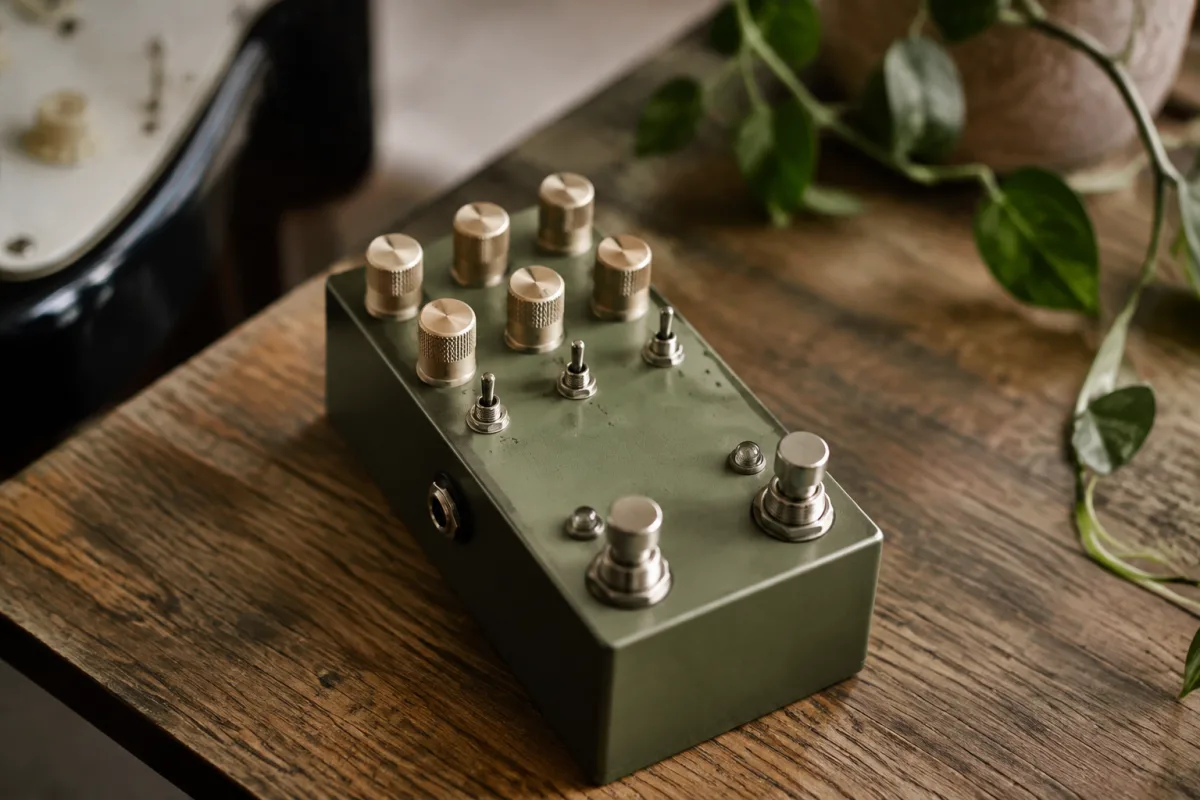
How to Buy a Chase Bliss Pedal: Finding Your Sound
Chase Bliss pedals are beloved by professionals and hobbyists alike for their sound quality, tactile controls, and unusual tone-shaping possibilities. But they're also premium-priced, innovative, and often bewildering to newcomers. This guide walks you through Chase Bliss's range, explains what makes them special, helps you choose the right pedal for your needs, and shows you how to spot real value rather than hype.
What Makes Chase Bliss Different?
Chase Bliss pedals aren't generic effects boxes. They stand out because of:
- Hands-on control: Every knob and switch does something audible and immediate. No digging through menus. Chase Bliss believes in tactile, real-time adjustability.
- Innovative algorithms: Chase Bliss's effects go beyond standard reverb, delay, and overdrive. They explore odd textures, experimental sounds, and inspiring accidents that make you play differently.
- Build quality: Solid metal chassis, reliable footswitches, quality components throughout. These pedals will survive years of gigging and still look and sound pristine.
- Resale value: A used Chase Bliss pedal holds value remarkably well. The second-hand market is active and prices stay high because players genuinely treasure these pedals.
You're not buying a pedal; you're buying a tool that inspires different playing.
Understanding Chase Bliss's Product Range
Chase Bliss makes several categories of effects. Understanding the lineup prevents buyer confusion:
- Reverbs (Wombtone, Thermae): Space, ambience, and lush tone-shaping. Wombtone is the classic; Thermae is more experimental. Both are studio-quality.
- Delays (Tonal Recall, Spectre): Time-based effects with unusual character. Tonal Recall is the workhorse; Spectre adds modulation and complexity.
- Modulations (Fuzz, Warped Vinyl): Overdrive, distortion, and modulated chaos. Warped Vinyl is legendary for inspiring tone; Fuzz is aggressive and musical.
- Experimental (Habit, Blooper): Loop-based pedals with generative possibilities. For adventurous players who want the pedal to surprise them.
- Compact series (Mini pedals): Space-conscious versions of popular models. Slightly fewer features, smaller footprint, lower price.
Each category addresses a different type of player need. Choose based on what you want to explore, not specs alone.
Price Tiers and What You're Paying For
Chase Bliss pedals range from £300 to £700 new, depending on complexity:
- Compact/Mini pedals (£300–400): Smaller footprint, simplified feature set, more affordable entry point. Still full Chase Bliss quality and sound character.
- Standard effects (£400–550): Full-featured pedals with all the knobs and switches. This is the heart of their range. Standard Warped Vinyl, Tonal Recall, and Wombtone sit here.
- Experimental/Complex (£550–700): Generative pedals like Blooper or Habit, or heavily modified pedals. Cutting-edge technology and sound design.
Most players find their satisfaction in the £400–550 range. That's where build quality, sound, and feature set all align optimally.
New vs. Used: Where the Real Value is
Chase Bliss pedals hold value extraordinarily well in the used market:
- New from a retailer: Full warranty (typically 2–3 years), consistent condition, latest version/firmware. Pay a premium for certainty and support.
- Used (1–3 years old): Often 15–25% cheaper than new, minimal play wear. The second-hand market is active and reliable (Reverb.com is excellent for this). Excellent value if you buy from reputable sources.
- Vintage Chase Bliss (5+ years old): Sometimes 25–35% cheaper than current models. Older pedals often have cult followings (e.g. original Fuzz, early Tonal Recall). Buy only if you know what you want.
A used Chase Bliss from a trusted seller (Reverb.com, eBay seller feedback) is genuinely excellent value with no real downside.
Which Pedal Should You Buy? A Decision Framework
Chase Bliss makes multiple great pedals. Choose based on your playing style and sonic goals:
- I want lush, inspiring reverb: Wombtone (classic choice, most versatile) or Thermae (experimental, modulated).
- I want experimental delay: Tonal Recall (warm, musical) or Spectre (complex, modulated).
- I want overdrive/distortion: Warped Vinyl Plus (legendary, inspiring) or Fuzz (aggressive, musical).
- I want the pedal to surprise me: Blooper (loop-based, generative) or Habit (random modulation).
- I'm budget-limited: Mini versions of popular pedals offer genuine Chase Bliss quality at lower price.
No wrong choice here. Any Chase Bliss pedal will inspire and delight. Start with one that genuinely excites you.
Key Specs to Understand
Before you buy, understand these technical considerations:
- Ramping (some pedals): The ability to set parameters and the pedal smoothly transitions between them. Gorgeous for evolving textures. Not all pedals have it, but it's powerful when they do.
- Modulation depth: How much the pedal can change the source sound. Chase Bliss pedals go deep. Expect extreme possibility.
- Expression pedal compatibility: Some Chase Bliss pedals play well with external expression pedals for real-time parameter control. Powerful for gigging.
- Firmware updates: Some pedals (especially Blooper, Habit) get firmware updates that add features. Buy new if this matters to you, or check the used pedal's firmware version.
- Power consumption: Most Chase Bliss pedals require 9V power via adapter or dedicated pedalboard supply (500mA+). Budget for this if you're building a board.
These specs matter less than how the pedal sounds and makes you want to play. But they're worth understanding.
Common Pitfalls When Buying Chase Bliss Pedals
Avoid these mistakes:
- Buying on hype alone: A pedal that's beloved online might not suit your style. Listen to demos, imagine it in your rig, and buy based on genuine sonic interest, not trend.
- Assuming "experimental" means "unusable": Chase Bliss's experimental pedals (Blooper, Habit) are genuinely musical and useful, not novelty. But they reward creative, exploratory playing.
- Overpaying for rarity: Some discontinued Chase Bliss pedals command high prices on the used market. Don't pay 50% premium for a pedal just because it's hard to find—a current model will inspire you more.
- Underestimating space: Chase Bliss pedals are typically compact but pack multiple features. Verify it fits your pedalboard before you commit.
- Buying without listening to demos: YouTube has extensive demos. Listen to multiple videos before buying. Your ears are the final arbiter.
Checklist: Before You Buy
- Do I love the sound in demos? (This is the only question that matters.)
- Does it fit my pedalboard space?
- Am I buying new (warranty) or used (value)?
- Do I have adequate power supply (500mA+ minimum)?
- Does the control layout appeal to me (hands-on or too complex)?
- Will I actually use this, or am I buying hype?
For a complete guide to Chase Bliss effects pedals and their full range, see our complete Chase Bliss pedal guide, covering all models, features, and specifications in detail.
Conclusion
A Chase Bliss pedal is a genuine investment in sonic inspiration. These are tools that make you play differently, think differently, and explore sounds you wouldn't otherwise. Whether you're buying a classic Warped Vinyl or an experimental Blooper, you're investing in a pedal that will hold value, sound beautiful, and inspire you for years. Listen to demos, trust your ears, and buy based on genuine sonic interest. A well-chosen Chase Bliss pedal is worth every penny.
Frequently Asked Questions
Q: Are Chase Bliss pedals worth the premium price?
Yes. Build quality is exceptional, sound design is innovative, and resale value holds like few pedals. You're paying for reliability, inspiration, and a tool that genuinely makes you play differently. They're investments, not consumables.
Q: Should I buy new or used?
Used Chase Bliss pedals hold value remarkably well, often available 15–25% cheaper than new from reputable sources like Reverb.com. New guarantees warranty and latest firmware. Both are sensible choices depending on your budget and comfort level.
Q: Which Chase Bliss pedal is best for beginners?
Start with a pedal that genuinely excites you sonically. Wombtone or Warped Vinyl are approachable and inspiring. Experimental pedals (Blooper, Habit) are best for adventurous players comfortable with generative, unpredictable sounds.
Q: Do all Chase Bliss pedals fit standard pedalboards?
Most do, but measure before you commit. Chase Bliss pedals vary in size. Compact/mini versions are space-efficient; full-size pedals are larger. Check your pedalboard layout and footprint before purchasing.
Q: Do I need an external power supply for a Chase Bliss pedal?
Most require 9V power via adapter or dedicated pedalboard supply (500mA+ minimum). If you're building a pedalboard from scratch, budget for a quality power supply that can handle multiple pedals.
Q: Will my Chase Bliss pedal work with my expression pedal?
Some Chase Bliss pedals (notably recent versions) support external expression pedal control for real-time parameter adjustment. Check the specs before buying if this matters to you.
Q: Can I use a Chase Bliss pedal live, or are they studio-only?
Chase Bliss pedals are genuinely gig-worthy. Robust construction, reliable switching, and inspiring sounds make them perfect for live performance. Many professionals gig with them daily.
Q: What's the difference between Warped Vinyl and Warped Vinyl Plus?
Plus adds extra controls and deeper parameter editing. Standard Warped Vinyl is simpler but still incredibly musical. Which is "better" depends on whether you want simplicity or control depth.


Comments