


Lanikai article
The Complete Guide to Lanikai
Lanikai is one of the world's most respected ukulele manufacturers, known for crafting instruments that balance affordability with genuine acoustic quality and playability.
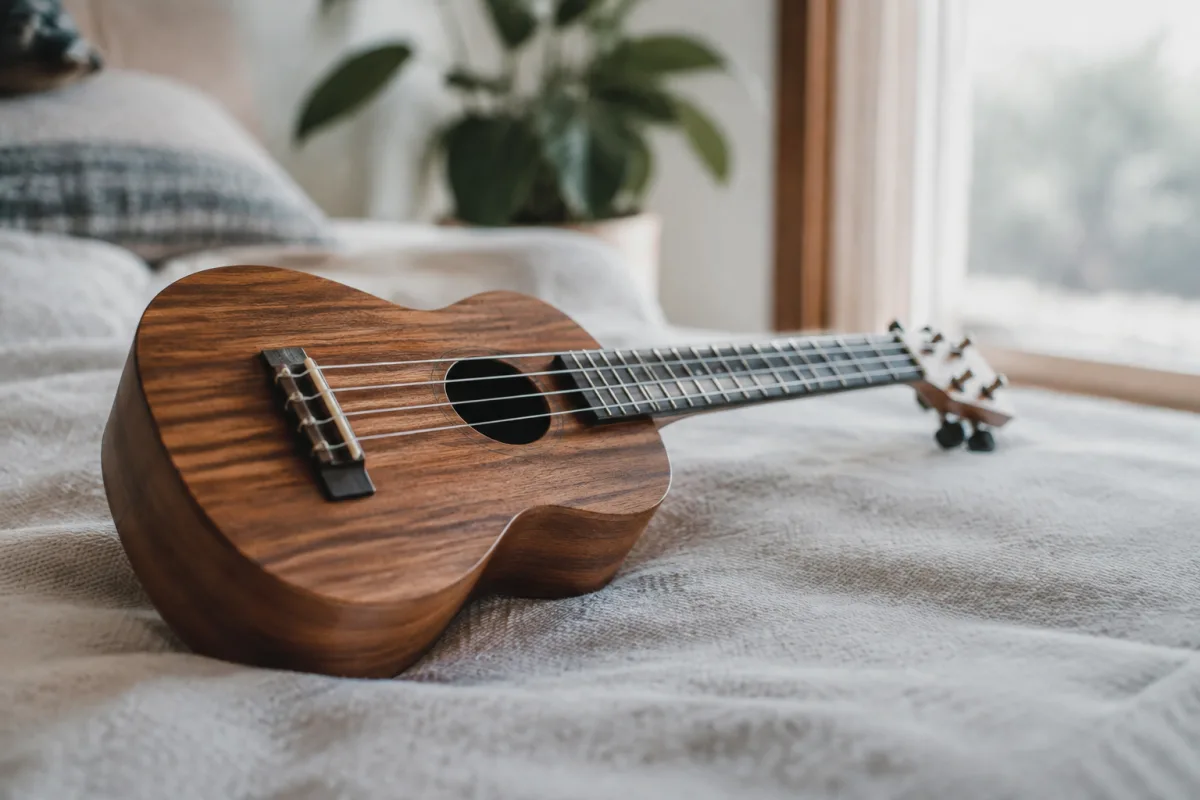
Lanikai is one of the most respected ukulele manufacturers in the world, known for crafting instruments that balance affordability with genuine quality. Whether you're a beginner searching for your first uke or an experienced player looking for an instrument with a warm, characterful tone, Lanikai offers a range of models designed to suit different playing styles, budgets and preferences.
The Story Behind Lanikai
Lanikai was founded in the 1960s by Freddy Kamanu, a Hawaiian musician with deep roots in the traditional ukulele-making craft. The company started in Hawaii as a small workshop but has since grown into a globally recognized brand without losing sight of its commitment to quality construction and genuine acoustic character. The name "Lanikai" itself means "heavenly sea" in Hawaiian, reflecting the brand's proud island heritage.
Over the decades, Lanikai has earned a reputation for offering instruments that deliver far more tone and playability than their price point might suggest. The company sources quality tonewoods, uses traditional construction methods alongside modern techniques, and maintains rigorous quality control across its production lines.
Lanikai Ukulele Types and Models
Lanikai produces ukuleles in all four standard sizes, each with distinctive characteristics suited to different players:
- Soprano: The classic, bright and cheerful sound most people associate with the ukulele. Perfect for beginners and players who love traditional Hawaiian music.
- Concert: A middle ground offering warmer tones than soprano, with more volume and sustain. Ideal for players wanting richer sound without a larger instrument.
- Tenor: Deeper, louder and more resonant. Favoured by serious players and those working with amplified settings.
- Baritone: The largest, tuned differently to other sizes, offering jazz-friendly tones and rich bass response.
Within each size, Lanikai offers variants using different wood combinations. Standard models use mahogany and spruce, whilst premium lines feature Hawaiian koa, rosewood, and other premium tonewoods that deliver warmer, more nuanced sound.
What Makes Lanikai Special
Several factors distinguish Lanikai from budget-friendly competitors. The company prioritizes solid wood construction rather than laminate, meaning the sound matures and improves with playing. Lanikai ukuleles feature properly radiused fretboards, quality friction tuners or geared machines depending on the model, and bridges that are often hand-carved to ensure proper tone transmission.
The finishing is another hallmark—Lanikai instruments receive careful sanding and oil or lacquer finishes that enhance the wood's natural appearance and allow it to resonate freely. The internal bracing patterns are thoughtfully designed to balance projection with a warm, responsive tone.
The Lanikai Range: Entry to Professional
Lanikai's product line serves every experience level. Entry-level Lanikai ukuleles remain affordable—often under £100—yet deliver genuine acoustic character and playability that can inspire rather than frustrate a beginner. Mid-range models, typically £150–£350, represent exceptional value, offering premium materials and thoughtful construction that rival instruments costing significantly more.
Premium Lanikai models, particularly those built with Hawaiian koa, can exceed £500 but remain competitive with boutique makers. These instruments are prized by professional musicians and collectors for their tonal complexity, visual beauty and the confidence that comes from owning a genuinely well-made uke.
Sound Character and Tone
A Lanikai ukulele is known for warmth and presence. Where some budget instruments sound thin or plasticky, Lanikai delivers depth—even entry-level models have a rounded, musical quality. The tone develops with time; fresh Lanikai ukuleles open up after weeks of playing as the wood settles and the sound matures.
Lanikai's construction philosophy favours musicality over volume. The instruments are responsive to playing dynamics, rewarding gentle, thoughtful technique and sounding their best when played with care rather than brute force. This makes them particularly rewarding for players exploring fingerpicking, dynamics, and classical technique.
Lanikai Ukuleles for Different Players
For absolute beginners, Lanikai's entry-level soprano or concert models offer far better value than mass-produced supermarket ukuleles. The playability and sound quality keep players motivated to practise, making them genuine learning tools rather than throwaway novelties.
Intermediate players upgrading from a starter uke often find a Lanikai concert or tenor delivers the tonal quality and responsiveness they're seeking without requiring boutique pricing. Many advanced players also maintain a Lanikai as a travel instrument or to play in styles—fingerpicking, folk, classical—where the warm tone shines.
Professional and semi-professional players, particularly in Hawaiian music, often choose premium Lanikai models or custom builds. The brand's heritage and sound quality align perfectly with performers who need reliability, authentic tone and instruments that photograph and sound professional on stage or in the studio.
Durability and Longevity
Lanikai ukuleles are built to last. Solid wood construction and careful finishing mean these instruments age gracefully. Lanikai ukuleles from decades ago remain playable and sought after, often improving with age as the wood settles and the finish develops character. Proper care—avoiding extreme temperature and humidity swings, occasional cleaning and restringing—will keep a Lanikai performing beautifully for life.
Choosing a Lanikai Ukulele
When selecting a Lanikai, consider your playing style, budget and sound preferences. If warmth and musicality matter more than piercing volume, Lanikai aligns with your priorities. If you value an instrument that feels rewarding to play and sounds better as it ages, you've found the right brand.
Lanikai ukuleles offer honest value across every price point. They're not the cheapest option, but they consistently outperform their cost. For players serious about developing their skill and investing in an instrument they'll enjoy for years, Lanikai represents a genuinely wise choice.


Comments