


Lanikai article
Lanikai for Beginners: A Complete Guide
Lanikai makes reliable, affordable ukuleles perfect for beginners stepping up from cheap instruments. This guide covers models, sizing, and how to choose the right one.
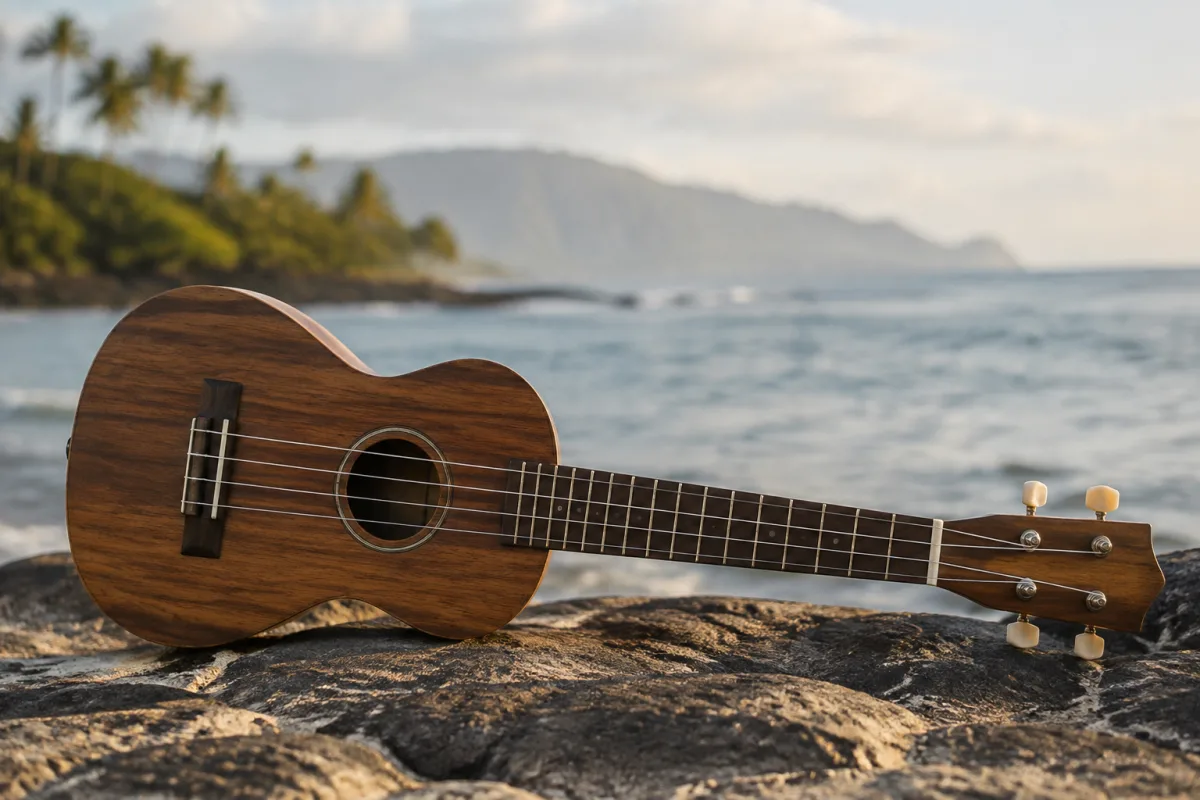
Lanikai is a Hawaiian ukulele brand that sits comfortably in the mid-range—not cheap, but not premium pricing either. If you're considering your first ukulele or upgrading from a beginner's instrument, Lanikai is often a sensible choice. This guide walks you through what makes Lanikai ukuleles special, which model suits different styles, and how to avoid common mistakes when choosing a Lanikai.
What Is Lanikai?
Lanikai is a ukulele manufacturer based in Hawaii with a reputation for quality construction and honest pricing. They make soprano, concert, tenor, and baritone ukuleles at price points ranging from £150 to £600. Their instruments are known for good tone, comfortable playability, and solid build quality without the hefty price tag of premium handmade ukuleles.
Lanikai is particularly popular with intermediate players who've outgrown a cheap beginner uke but aren't ready to invest £1,000+ in a premium instrument. Many players keep their Lanikai for life.
Lanikai Ukulele Sizes and Styles
Before considering a specific Lanikai model, understand ukulele sizes:
Soprano (Most Common)
The smallest and brightest sounding. Perfect for travel, easy to play for small hands, and quintessentially "ukulele" in tone. Most beginners start here. Lanikai sopranos are typically £180–300.
Concert (Slightly Larger)
Warmer and fuller tone than soprano, slightly easier to play because of the larger body and neck. Popular with intermediate players who want more tone without the bulk of a tenor. Lanikai concerts usually run £220–350.
Tenor (Noticeably Larger)
Deep, resonant tone. Best for fingerstyle playing and sophisticated sounds. Larger to hold, so not ideal for small hands. Lanikai tenors cost £300–500.
Baritone (Largest)
Completely different tuning and sound—almost like a small guitar. Niche market, but loved by players who want that deeper tone. Lanikai baritones are around £400–600.
If you're a nervous first-timer, a soprano or concert is your safest bet. Both are easy to play and sound genuinely good.
Why Choose a Lanikai Ukulele
Build Quality
Lanikai instruments are solidly built with quality wood and hardware. A Lanikai uke won't feel cheap or fragile. The neck is typically straight, the frets are level, and the tuning machines hold steady. This matters more than most beginners realise—a poorly made uke is frustrating to play.
Tone
Lanikai ukuleles have a warm, balanced tone. Not the brightest soprano available, but genuinely musical and appealing. Intermediate players find Lanikai ukes satisfying to play for hours.
Value for Money
You're paying for quality without premium branding. A £250 Lanikai concert is better value than a £250 mass-produced no-name ukulele. You get what you pay for.
Playability
The action (string height) is usually reasonable out of the box. Many cheaper ukes come unplayably high; Lanikai instruments are comfortable for beginners while still rewarding good technique.
Popular Lanikai Models for Beginners
Lanikai's product range is large, but these models are beginner-friendly:
- LU-21: Entry-level soprano. Solid choice for learning. Around £150–180.
- LU-C21: Concert version of the LU-21. Warmer tone, more comfortable to play. Around £200–250.
- LU-T21: Tenor version. Deeper, more resonant. Around £280–350.
- LU-22 series: A step up in quality. Better tone and finish. Sopranos around £200–250, concerts around £280–350.
For a genuine beginner, the LU-21 or LU-C21 are good starting points. For intermediate players, the LU-22 series or higher offers noticeably better tone.
Comparing Lanikai to Other Brands
Lanikai sits in the mid-market alongside brands like Kala, Makala, and Cordoba. Here's a rough comparison:
| Brand | Price Range | Best For | Strengths |
|---|---|---|---|
| Makala (Kala's budget line) | £80–150 | True beginners | Affordable, playable, fun |
| Lanikai | £150–400 | Serious beginners and intermediate | Solid tone, comfortable, reliable |
| Kala (main line) | £150–350 | Beginners and intermediate | Innovation, unique finishes |
| Cordoba | £300–700+ | Advanced players | Premium tone and craftsmanship |
Lanikai is a safe, reliable choice. You're not getting experimental features, but you're getting proven quality.
What to Check Before Buying a Lanikai
When shopping for a Lanikai ukulele:
- Play it first if possible: Listen to the tone and feel how it sits in your hands. A Lanikai concert might feel better to you than a soprano, even if you thought you wanted a soprano.
- Check the neck for straightness: Sight down the neck like you would a guitar. It should be straight, not twisted or bowed.
- Examine for cracks: Tiny surface cracks are normal; structural cracks in the body are a dealbreaker.
- Feel the action: Press strings at the first and 12th frets. It shouldn't be painful high, but also not so low it buzzes.
- Test the tuning stability: Tune it, let it sit 10 minutes, and check if it's still in tune. Good ukes hold tuning; cheap ones don't.
- Listen for buzzing: Strum each string and listen for fret buzz. A small amount is normal; excessive buzzing is a problem.
Common Beginner Mistakes When Buying Lanikai
- Choosing size based on appearance rather than comfort: A tenor ukulele looks impressive, but if it's too big for your hands, you'll struggle. Play several sizes before deciding.
- Assuming a higher price means better tone: Lanikai's expensive models aren't dramatically better than mid-range ones. The LU-22 and LU-23 offer excellent value; spending £500+ on a Lanikai isn't necessary unless you're a serious player.
- Not getting a professional setup: Even quality ukes benefit from a tech setup (£30–50). Action adjustments and nut filing transform playability.
- Buying online without trying it first: If you can't play it before purchasing, order from a retailer with a generous return policy. Ukuleles vary in tone even within the same model.
- Neglecting accessories: Budget for a case (£30–80), strap (£10–20), tuner (£10–20), and strings (£5–10). A Lanikai uke deserves decent care.
Budget for Your First Lanikai Setup
A realistic total investment:
- Lanikai ukulele: £180–350
- Case or gig bag: £30–80
- Tuner: £10–20
- Strap: £10–20
- Replacement strings: £5–10
- Professional setup (optional but recommended): £30–50
- Total: £265–530
You don't need all of these immediately. Start with the ukulele and a tuner, then add accessories as you go. A professional setup is worth doing if you're investing in a mid-range Lanikai—it'll feel dramatically better to play.
Lanikai vs. Building Your Own
Some players buy cheap ukulele kits and customize them. This can work, but beginners usually regret it. A Lanikai uke out of the box is playable and reliable. Building a custom uke takes technical skill and time. For a nervous first-timer, buying a quality Lanikai is the smarter move.
Next Steps
If you're considering a Lanikai ukulele, watch YouTube reviews of the specific model you're interested in. Listen to sound samples and see whether the tone appeals to you. Visit a music shop if you can and try several ukes side by side. For a comprehensive breakdown of all Lanikai models and advanced ukulele topics, see our complete guide to Lanikai.
Conclusion
Lanikai ukuleles represent honest value. They're not the cheapest option, and they're not premium, but they're genuinely good instruments that you'll enjoy playing for years. Choose the size that feels comfortable, invest in a case and tuner, and you're ready to start learning. You'll be making music within weeks.


Comments