


Lanikai Buying guide
Lanikai: A Complete Buyer's Guide
Lanikai ukuleles are known for consistent quality and affordable pricing. This guide helps you navigate their range to find the perfect instrument suited to your playing level and tonal preferences.
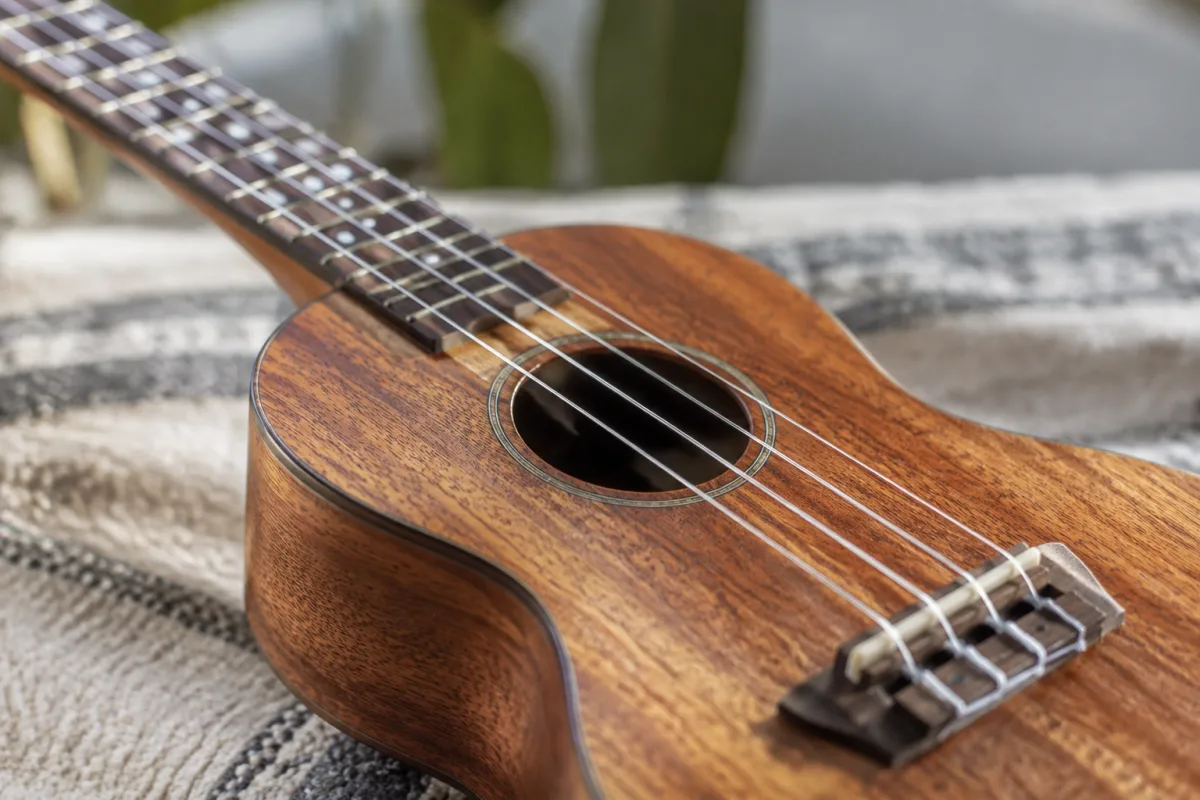
Lanikai has established itself as one of the most respected ukulele manufacturers in the world, known for consistent quality, affordable pricing, and reliable craftsmanship. Whether you're a beginner exploring your first ukulele or an experienced player seeking a professional-grade instrument, understanding Lanikai's range, construction standards, and value proposition helps you choose wisely. This buyer's guide walks you through wood types, model tiers, sound characteristics, and pricing to find the perfect Lanikai instrument for your playing level.
Understanding Lanikai's Brand Heritage
Lanikai, founded in 1969, built their reputation on making affordable ukuleles that didn't sacrifice quality. Unlike budget brands offering disposable instruments, Lanikai creates ukuleles designed to last years of playing. Their manufacturing approach emphasises consistent quality control, proper wood seasoning, and traditional construction techniques adapted for modern reliability.
Understanding this heritage matters when shopping for Lanikai. You're not buying a trendy brand or fashionable name; you're investing in an instrument from makers who take ukulele construction seriously. This commitment to craft distinguishes Lanikai from competitors cutting corners to reduce costs.
Ukulele Size Considerations
Lanikai offers multiple ukulele sizes, each suited to different playing styles and players. Understanding these differences is crucial when purchasing:
- Soprano: The smallest size, producing the brightest, most traditional ukulele sound. Best for travel and small hands. Most common for beginners.
- Concert: Mid-sized, producing fuller tone than soprano with more volume. Easier playability than soprano for larger-handed players.
- Tenor: Largest standard size, producing deep, powerful tone with excellent projection. Preferred by professional players and those seeking serious volume.
- Baritone: Tuned differently from other sizes, producing warm, dark tone. Requires specific technique but offers unique tonal character.
Most players begin with soprano or concert Lanikai ukuleles. Unless you have specific reasons to prefer a larger instrument, start here. Size affects everything from playability to sound, so this decision matters profoundly.
Wood Types and Tonal Character
Lanikai ukuleles use different woods to create varying tonal characters. The most common Lanikai options include:
- Koa: The traditional Hawaiian wood, producing warm, mellow tone with excellent sustain. Premium Lanikai koa ukuleles command higher prices but deliver superior warmth.
- Spruce: Brighter, more responsive wood producing punchy, modern tone. Lanikai spruce ukuleles suit contemporary music and energetic playing styles.
- Mahogany: Mid-range wood producing balanced tone between warmth and brightness. Reliable choice offering versatility across genres.
- Acacia: Harder wood producing cutting, focused tone with strong projection. Excellent for performer and recording contexts.
When shopping for Lanikai, identify which tonal character suits your aesthetic. Warmer, darker Lanikai koa ukuleles work beautifully for jazz and standards; brighter spruce models suit pop and contemporary music.
Construction Quality and Craftsmanship
Lanikai's reputation rests on consistent build quality. Examine these construction aspects when evaluating a Lanikai ukulele:
- Bracing pattern: Internal bracing affects tone and structural integrity. Lanikai employs traditional X-bracing on quality models, enhancing resonance.
- Binding and edges: Quality Lanikai ukuleles feature proper binding (edging) that protects the instrument and indicates craftsmanship. Budget models sometimes skip this.
- Joinery: The neck-to-body joint should be solid and properly glued. Inspect for gaps or separation, which indicates poor construction.
- Finish quality: Lanikai finishes should be smooth, even, and lustrous. Rough spots or uneven colouration suggest lower quality.
- Hardware: Tuning pegs should turn smoothly without grinding or slipping. Bridge and nut should be properly fitted.
Price Tiers and Value Assessment
Lanikai ukuleles span predictable price ranges, each tier offering distinct value:
- Budget Series (£100–£250): Entry-level models suitable for absolute beginners. Functional instruments with adequate tone and playability. Acceptable introductory choice.
- Standard Production (£250–£500): Mid-range Lanikai ukuleles offering solid construction, good tone quality, and reliable performance. Best value for serious amateur players.
- Premium Series (£500–£1000): Higher-grade wood selection, refined construction, and superior sound quality. Professional-level instruments suitable for recording and performing.
- Limited/Custom (£1000+): Rare wood, custom specifications, or limited-edition runs. Investment purchases for collectors and professional musicians.
The Standard Production tier represents best value for most players. A £300–£450 Lanikai delivers professional tone quality and reliable construction without premium pricing.
Sound Projection and Volume
Before purchasing, test how a Lanikai ukulele projects. Does the tone carry across a room, or does it sound thin and distant? Volume and projection matter, especially if you plan to perform or jam with others. A well-constructed Lanikai tenor will project significantly better than a budget soprano.
Listen to audio samples of different Lanikai models before committing. Pay attention to how the tone sounds at distance, not just close-up. Professional recordings often highlight tonal qualities better than YouTube videos, so seek multiple listening references.
Action and Playability
Action (string height above the fingerboard) dramatically affects playability. Lanikai ukuleles should arrive with proper action, but inspect closely. High action makes fretting difficult; low action can cause buzzing. Optimal action varies by player preference and playing style.
When shopping for Lanikai, play the exact instrument you'll purchase. How does it feel under your fingers? Is fretting comfortable? Does the neck feel balanced and natural? Playability is subjective, but these impressions guide your choice better than specifications alone.
Maintenance and Long-Term Durability
A key advantage of Lanikai ukuleles is durability. These instruments, with proper care, remain playable for decades. Consider long-term maintenance when choosing:
- Humidity control: Lanikai ukuleles require consistent humidity (40–60%) to prevent warping or cracking. Invest in a humidifier if you live in a dry climate.
- String replacement: Standard maintenance every 6–12 months. Costs are minimal (£10–£20).
- Professional setup: After years of play, professional setup (£30–£80) restores playability. Lanikai's construction withstands this intervention well.
- Repair availability: Quality ukuleles should be repairable. Verify that qualified luthiers service Lanikai instruments in your region.
Common Purchasing Mistakes
Avoid these frequent errors when buying Lanikai:
- Choosing purely on price: Budget Lanikai ukuleles work, but mid-range models offer dramatically superior tone and durability for modest additional cost.
- Ignoring wood type: Koa, spruce, mahogany, and acacia create fundamentally different tones. Choose based on desired sound character, not availability.
- Overlooking size: Sizing mistakes often lead to abandoned instruments. Play different sizes before committing.
- Neglecting setup: Some Lanikai ukuleles arrive requiring professional setup. Budget £30–£80 for this service if necessary.
- Assuming all Lanikai models are comparable: Quality varies across price tiers. Budget significantly more than you think you'll spend for noticeably superior sound.
Testing and Trial Periods
Lanikai ukuleles purchased from reputable retailers often come with trial periods (14–30 days). Use this window to play through the instrument in your home environment. How does it sound in your space? Does the action feel natural after extended playing? Trial periods provide valuable verification that your choice is sound.
For comprehensive exploration of ukuleles and Lanikai instruments, read our complete guide to Lanikai instruments, which covers brand history, model evolution, and player preferences in greater depth.
Making Your Choice
Choosing Lanikai means investing in an instrument from manufacturers committed to quality and longevity. Prioritise sound character (determined by wood type), size appropriately for your hands and playing style, and budget for mid-range models that deliver professional tone quality without excessive cost. Play before purchasing, test extensively during trial periods, and don't economise on proper setup. A well-chosen Lanikai ukulele becomes a cherished instrument, capable of providing years of musical enjoyment and inspiration.


Comments