


Snare Drum Head Buying guide
Snare Drum Head: A Complete Buyer's Guide
A new snare drum head transforms tone and responsiveness more than purchasing new equipment. This guide covers specifications, price tiers, coating options, and practical advice for all playing styles.
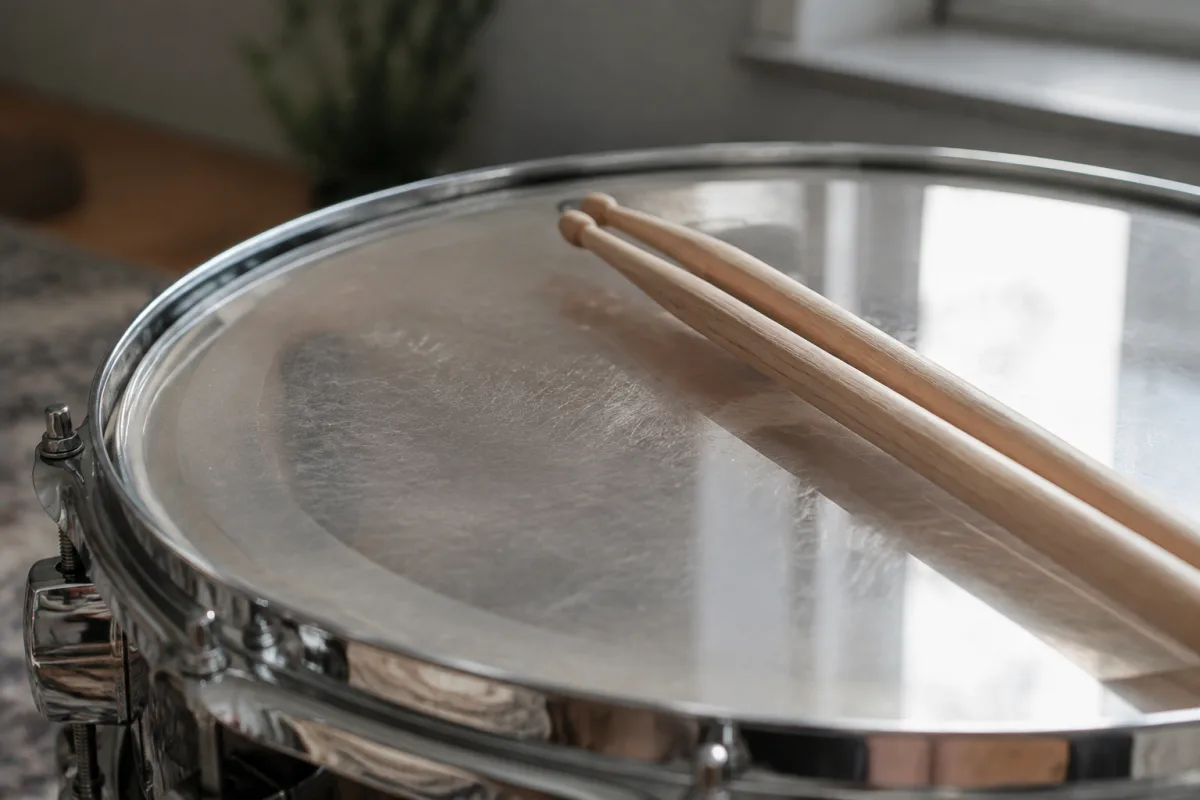
Selecting the right snare drum head is one of the most impactful purchasing decisions a drummer can make. A new head transforms your snare's tone, sensitivity, and responsiveness—often more dramatically than purchasing an entirely new drum. Yet many drummers default to whatever head came stock without considering alternatives that might suit their style, venue, and playing technique. This guide focuses on what matters when choosing: head thickness, material composition, coating options, and tension characteristics—helping you select a snare head that enhances your playing rather than hindering it.
Understanding Snare Drum Head Types
Snare drum heads come in distinct categories, each affecting tone and responsiveness. Batter heads (the playing surface) directly impact how your stick feels and the primary tone. Snare side heads (underneath the drum) vibrate against snare wires, affecting brightness and snare sensitivity. Most drummers replace batter heads regularly; snare side heads last longer but significantly influence overall character when changed. Understanding these two roles is fundamental before purchasing.
Critical Specifications When Buying
Examine these essential specifications before making your selection:
- Head Thickness: Measured in mils (thousandths of an inch), thickness directly affects tone and durability. 7-mil heads (thin) produce brighter, more responsive tones, ideal for jazz and light playing. 10-mil heads (medium) balance brightness and durability, suiting most genres and playing styles. 13-mil heads (thick) produce deeper tones, favour power playing, and resist tearing longer. Thinner heads suit lighter touch; thicker heads suit aggressive play.
- Material Composition: Plastic (mylar) heads dominate modern drumming. Single-ply mylar heads are bright, responsive, and affordable. Two-ply mylar heads (reinforced with multiple layers) produce darker tones, sustain longer, and resist tearing. Calfskin heads offer vintage character prized by jazz and orchestral players, but require special care and cost significantly more. For beginners and most working drummers, quality two-ply mylar suits diverse situations.
- Coating: Coated heads have a textured surface, producing warmer, slightly duller tones favoured in jazz, funk, and R&B. Clear heads produce brighter, more defined tones preferred in rock and pop. Coated heads reduce high-frequency brightness and enhance mid-range warmth; clear heads emphasise articulation and cut through band mixes. Your venue and musical style should guide this choice.
- Size and Fit:** Snare heads come in various diameters (10", 13", 14" most common). Verify your snare's exact size before purchasing; mismatched sizing causes improper seating and poor tone. Accurate sizing ensures proper tension application and consistent performance.
- Hoop Type Compatibility:** Most modern snare drums accept standard heads with universal hoops. Vintage or specialty drums may require specific hoop designs. Verify hoop compatibility, especially when purchasing replacement heads for older drums.
Price Tiers and Value Assessment
| Price Range | Typical Characteristics | Best For | Limitations |
|---|---|---|---|
| Budget (£5-15) | Single-ply clear mylar, basic durability, standard finishes | Practice, student players, casual use | Tears easily with aggressive play; short lifespan (2-4 months heavy use); limited tone options |
| Mid-Range (£15-30) | Two-ply mylar, coated or clear options, improved durability | Working drummers, gigging musicians, all genres | May lack tonal nuance of premium heads; less responsive to subtle dynamics |
| Premium (£30-60) | Premium two-ply mylar, extensive coating/clear options, superior bearing edge compatibility | Professional touring musicians, session drummers, sound-critical environments | Marginal tonal improvements justify cost for professionals; excessive for casual players; requires careful maintenance |
| Ultra-Premium (£60+) | Calfskin or specialised synthetics, handcrafted options, vintage specifications | Jazz purists, orchestra players, collectors, bespoke tone requirements | Calfskin requires climate control and careful tuning; cost premium disproportionate for most players; niche market |
Coated vs. Clear: How Coating Affects Your Sound
Coated heads dampen high frequencies, producing warm, focused tones ideal for jazz, funk, and intimate venues. The coating reduces bright attack, emphasising mid-range presence and projection. Clear heads emphasise articulation, brightness, and cut—preferred by rock, metal, and large-venue drummers. Neither option is superior; both are correct choices depending on your musical context. Many drummers maintain both, swapping based on gig requirements. If uncertain, start with coated heads; they're more forgiving and suit diverse situations better than clear heads.
Thickness and Playing Style Relationship
Thin heads (7-mil) reward light, nuanced playing with incredible responsiveness and dynamic range. They tear easily under aggressive play and require careful stick control. Perfect for jazz, classical, and finesse-oriented players. Medium thickness (10-mil) suits most drummers and genres. Thick heads (13+ mil) withstand power playing, produce deeper tones, and reduce bright attack. They require significant tension to tune properly and may feel less responsive to subtle stick dynamics. Match head thickness to your physical playing style; mismatched thickness frustrates and potentially damages your equipment.
Common Purchasing Mistakes to Avoid
Ignoring Your Drum's Bearing Edge: Modern drum bearing edges (the angled edges the head sits upon) require compatible head designs. Some vintage snares have specific edge requirements. Verify your drum's bearing edge specification before purchasing; incompatible heads seat poorly and produce suboptimal tone.
Confusing Head Diameter with Drum Shell Diameter:** A 14-inch snare drum requires 14-inch heads, but some drummers mistakenly purchase heads sized to shell depth rather than diameter. Always verify the head size matches your drum's diameter.
Purchasing Thick Heads Expecting Greater Durability:** Paradoxically, thicker heads demand greater tension and may crack under improper tuning. Durability comes from quality materials and proper maintenance, not thickness alone.
Overlooking the Snare Side Head:** Most drummers focus only on batter head replacement. Changing the snare side head (underneath) equally impacts sensitivity and brightness. Experiment with different snare side options; this decision is often neglected but highly influential.
Not Testing Before Large Purchases:** If possible, borrow heads or try them in music shops before committing. Tone is personal; what sounds excellent to one drummer may disappoint another. Test when possible.
Maintenance and Lifespan Expectations
Replace batter heads every 1-6 months depending on playing intensity, style, and quality. Heavy touring drummers replace monthly; casual players replace every 6 months. Snare side heads last longer—replace annually or when snare response decreases. Proper stick technique extends head lifespan; glancing blows (incorrect striking angle) tear heads faster than clean contact. Inspect heads regularly; cracks or severe denting warrant replacement for optimal tone and durability.
Studio vs. Live Considerations
Studio work demands heads with consistent tone and longer lifespan—premium two-ply mylar suits studio needs. Live performance often favours brightness and projection—clear heads in tighter thicknesses work better. Large venues suit clear heads for cutting through band mixes; intimate venues suit coated heads for warmth and control. Tour drummers often rotate between head types based on venue size and acoustic conditions.
For comprehensive comparisons of leading snare drum head manufacturers, detailed reviews, and advanced tuning techniques, explore our ultimate guide to snare drum heads, which covers in-depth technical analysis and professional tuning strategies.
Making Your Purchase Decision
Start by assessing your playing style: light touch suggests thin coated heads; aggressive play suggests thick clear heads; diverse situations suggest mid-range two-ply options. Determine your primary musical context: jazz favours coated; rock favours clear; versatile players need both. Budget accordingly; mid-range heads (£15-30) suit most drummers and genres excellently. Only invest in premium options after precisely identifying what you need. Your ideal snare head enhances your natural playing without requiring adjustment.
Conclusion
Choosing a snare drum head requires balancing thickness, material, and coating to match your playing style and musical context. Avoid purchasing carelessly; test when possible and invest in quality heads matching your specific needs. A properly chosen head transforms your snare into an instrument tailored to your playing, venue, and musical expression. Whether you prioritise responsiveness, durability, brightness, or warmth, an informed decision grounded in understanding specifications will lead to selections you genuinely value and perform with confidently.



Comments