


Roland Electronic Drum Pads article
Roland Electronic Drum Pads for Beginners: A Complete Guide
Interested in drumming but limited on space? Discover how Roland electronic drum pads offer silent practice, affordability, and genuine playability for beginners.
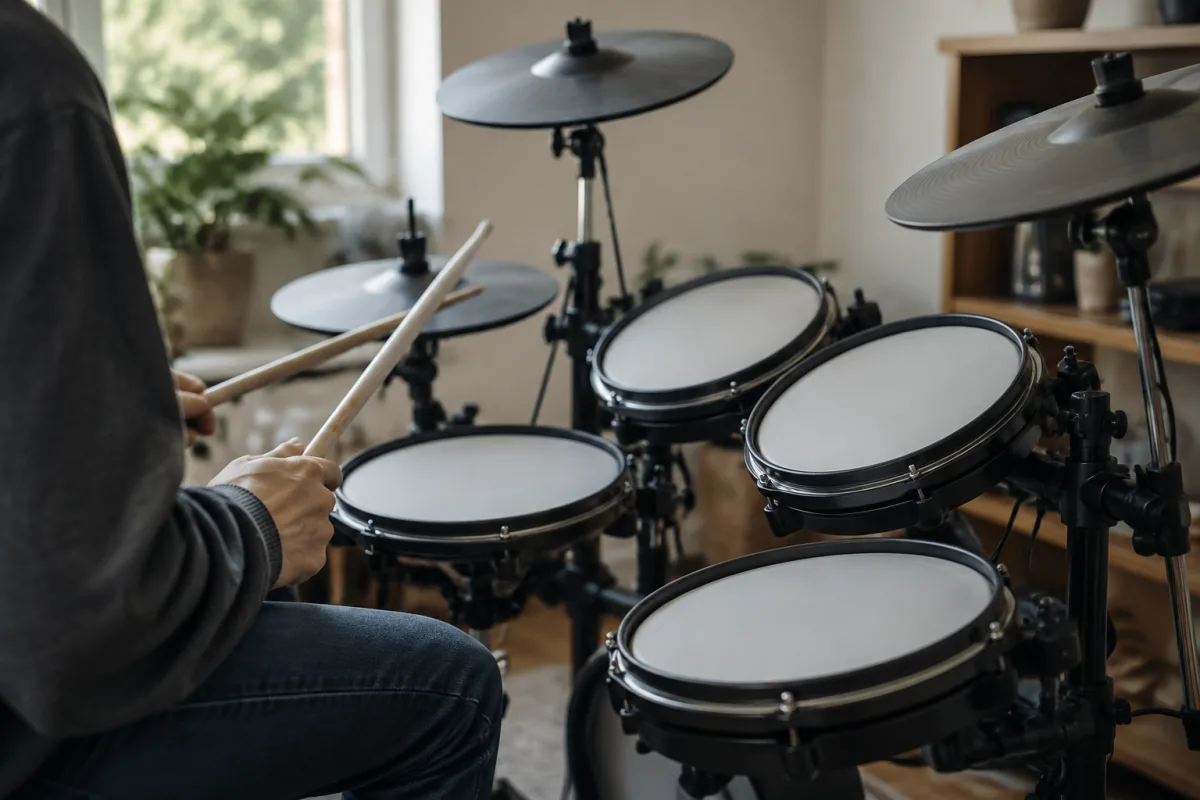
Electronic drum pads from Roland have opened drumming to a new generation. Whether you're learning rhythm in a quiet apartment, recording at home, or exploring beat-making, Roland's pads offer accessibility, versatility, and genuine playability. If you're considering electronic drum pads and feel uncertain about what they are, how they work, or whether they're right for you, this beginner's guide will walk you through everything you need to know to start confidently.
What Are Roland Electronic Drum Pads? Understanding the Basics
A Roland electronic drum pad is a percussion instrument that lets you create drum sounds by striking rubber or mesh pads. Unlike acoustic drums, pads don't produce sound by themselves—they trigger sounds from an onboard module or external device. When you strike a pad, a sensor detects the strike, measures its velocity (how hard you hit), and sends that information to a processor that generates the appropriate sound.
This design offers profound advantages for beginners: you can play quietly (through headphones), access hundreds of sounds instantly, and record your playing digitally. Roland leads the pad market with reliable products and excellent sound quality.
Key Components: Everything a Beginner Should Know
- Pads: Rubber or mesh surfaces you strike. Rubber pads are bouncy and familiar if you're switching from acoustic drums. Mesh pads feel more like acoustic drum heads and are gentler on hands. Both work well; it's a personal preference.
- Module (Brain): The electronic processor that generates sounds when pads are triggered. It stores drum kits, effects, and metronome settings. Some modules are built into the pad system; others connect externally.
- Sounds/Kits: Roland pads come with hundreds of pre-programmed sounds representing drums from across the world, plus electronic textures. You're never limited to basic snare and kick sounds.
- Triggers/Sensors: Beneath each pad, sensors detect strikes and measure their intensity. Quality sensors make pads feel responsive and musical.
- Stand/Frame: The structure holding pads together. Some are compact and portable; others are full-size for comfortable playing.
- Output/Connectivity: USB, audio outputs, and MIDI connections let you record, connect to computers, or integrate with other equipment.
Types of Roland Electronic Drum Pads for Beginners
Roland offers several pad systems, each suited to different situations:
Compact Pads (£100–£300)
Small, portable systems with 4–8 pads. Perfect for beginners, apartment dwellers, and those exploring drumming casually. They lack the full-kit feel of larger systems but offer genuine playability and vast sound options. Ideal for beat-making, learning rhythms, and practice.
Intermediate Pad Systems (£400–£800)
12–16 pads arranged in a kit-like configuration with better sound modules and more sophisticated features. These bridge the gap between compact pads and full kits. Great for serious beginners who want to develop acoustic drum technique.
Full Electronic Kits (£800+)
Complete kits with kick pedals, hi-hat controllers, and full modules. These offer the most authentic playing experience and are genuinely professional instruments. Beyond most beginners' needs initially, but worth knowing they exist.
For starting out, a compact pad or entry-level intermediate system is entirely appropriate and offers everything you need to learn and make music.
Advantages of Electronic Pads for Beginner Drummers
- Silent Practice: Play through headphones without disturbing others. This alone makes electronic pads revolutionary for apartment dwellers and students.
- Affordability: A quality beginner system costs £200–£400. Acoustic drums cost more and require additional equipment (cymbals, hardware, etc.).
- Sound Variety: Hundreds of drum sounds are instantly available. Experimenting with different kits keeps practice engaging.
- Recording Capability: Built-in recording features let you capture your playing digitally. Invaluable for learning and sharing music.
- Portability: Pack a pad system into a car. Take it to friends' houses or jam sessions without the logistics of acoustic drums.
- No Maintenance: Unlike acoustic drums, pads require no tuning or adjustment. They're ready to play consistently.
- Built-In Metronome: Learn rhythm with an adjustable metronome always available.
Common Beginner Concerns About Electronic Pads
Will Electronic Pads Prepare Me for Acoustic Drums?
Yes, though imperfectly. Pad playing develops your sense of rhythm, coordination, and timing. However, acoustic drums have different physical dynamics—they're heavier, require different striking technique, and produce acoustic resonance. Many drummers learn on pads then transition to acoustic. The skills transfer well; the physical adjustment is minimal.
Do Pads Feel Responsive?
Modern Roland pads are genuinely responsive. They register dynamics (how hard you hit) and translate that nuance into sound. Quality pads feel musical and rewarding. Budget pads can feel less sensitive, but even entry-level Roland systems are responsive.
Can I Learn Proper Drumming Technique?
Absolutely. Electronic pads encourage good technique—proper grip, posture, and hand control. In some ways, the lack of acoustic feedback forces you to develop cleaner technique faster because sloppy strikes are audibly apparent.
How Long Do Pads Last?
Roland pads are built to last. Rubber pads can wear with heavy use but remain playable. Mesh pads degrade similarly to acoustic drum heads but are replaceable. Most players get years of use before considering replacement.
Making Your First Choice: Which System to Start With
If you're a complete beginner, consider this approach:
- Set Your Budget: If under £300, explore compact systems like the Roland SPD-One. If £400–£800, look at intermediate systems like the Roland TD-07K (entry-level kit) or similar.
- Assess Your Space: Living in a small apartment? A compact pad is ideal. Have a dedicated space? An intermediate system gives you more range.
- Try Before Buying: Visit a music shop and play different systems. You'll immediately feel which you prefer.
- Consider Your Goals: Just curious about drums? A compact pad is perfect. Serious about becoming a drummer? An intermediate system with kick pedal is better.
- Check Connectivity: If you'll record into a computer, verify USB or MIDI connectivity. If practicing alone, this matters less.
Common Beginner Mistakes with Electronic Pads
- Buying a System Too Cheap: Budget pads under £80 often feel unresponsive and frustrating. Spending £200–£300 on a quality entry system transforms your experience.
- Neglecting a Good Pedal and Stand: A flimsy stand or poor pedal affects playability significantly. Invest in decent stands and kick pedals.
- Assuming Volume Control Eliminates Neighbour Complaints: Even headphone use needs a good interface. Vibration from the stand can still bother neighbours. Consider isolation pads.
- Ignoring the Learning Curve: Electronic pads are accessible but still require practice. Set realistic expectations about developing drumming skills.
- Not Exploring the Sounds: Many beginners stick to the default kit. Exploring the hundreds of available sounds keeps practice engaging and expands musical horizons.
Getting Started: Your First Steps
Once you have your Roland pads:
- Learn the Interface: Spend time navigating the module, switching sounds, and adjusting settings. Familiarity makes practice more intuitive.
- Start with Simple Rhythms: Don't immediately attempt complex patterns. Build foundational coordination with basic kicks and snares.
- Use the Metronome: Always practice with it on. Developing solid timing is essential.
- Record Yourself: Use the built-in recorder. Listening back reveals areas for improvement and tracks your progress.
- Find Online Tutorials: YouTube tutorials specific to your pad model accelerate learning tremendously.
Looking Forward: When You're Ready to Expand
After a few months of regular playing, you might want to add a kick pedal, explore external sound modules, or eventually transition to acoustic drums. None of that is necessary immediately. Start with your pad system, build your foundation, and let your evolving interests guide you.
For comprehensive exploration of Roland electronic drum pads—including specific model reviews, advanced techniques, and how pads integrate with larger music production setups—the complete guide to Roland electronic drum pads covers deeper territory.
Your Drumming Journey Begins
Roland electronic drum pads open drumming to anyone. They're accessible, affordable, and genuinely capable instruments that let you explore rhythm at your own pace. With this beginner's understanding, you're ready to choose your first system and start playing. Welcome to the rhythm section.



Comments