


Roland Electronic Drum Pads Buying guide
Roland Electronic Drum Pads: A Complete Buyer's Guide
Choosing Roland electronic drum pads requires understanding pad sensitivity, latency, build quality, and which price tier matches your playing style. This guide covers critical specifications, common pitfalls, and how to select pads that deliver genuine value.
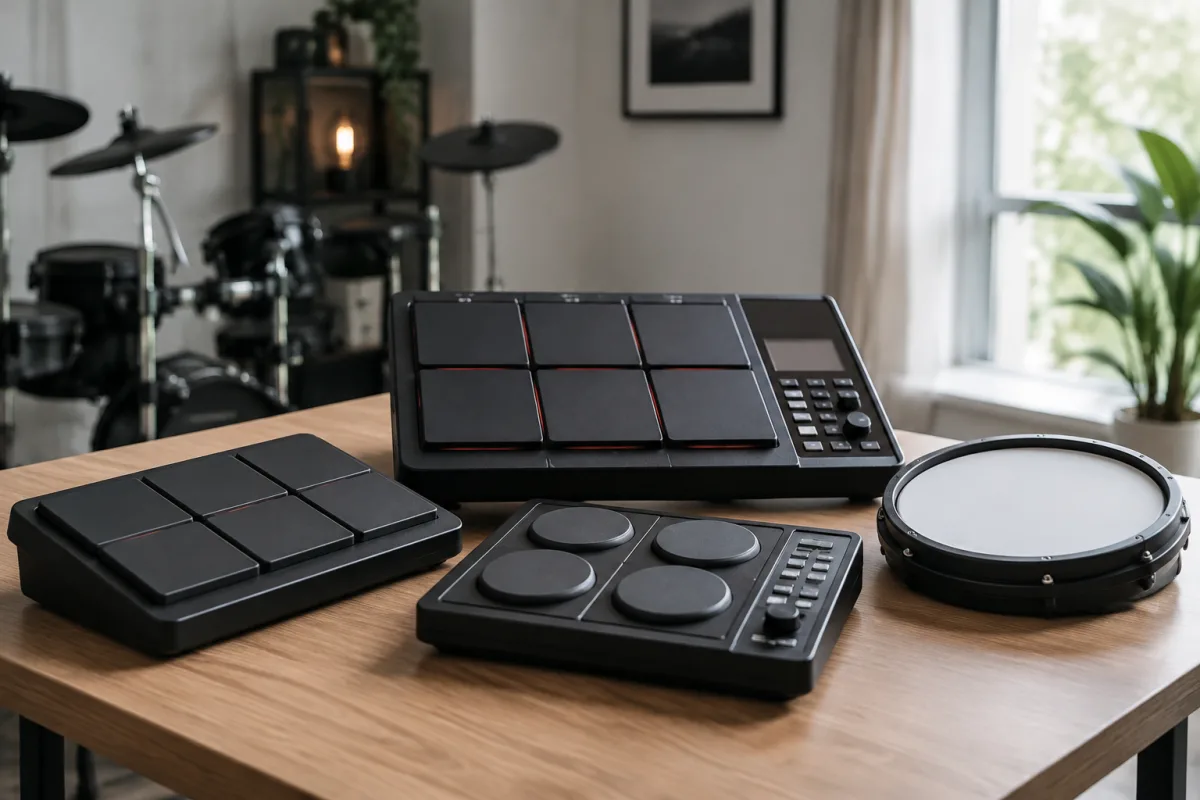
Choosing the right electronic drum pads from Roland demands careful attention to build quality, sound library, responsiveness, and how your intended use—bedroom practice, live gigging, or recording studio work—shapes your priorities. This buying guide cuts through marketing language and helps you select Roland electronic drum pads that deliver genuine value for your specific needs.
Critical Specifications That Matter When Buying
Pad feel and response dominate most purchasing decisions, yet many buyers overlook key technical specs. Understand what truly affects your playing experience:
- Pad Sensitivity & Response Curve: Not all pads feel alike. Roland's velocity sensitivity, ranging from 1–127 on MIDI scales, determines how the pads respond to your strike force. Professional models offer adjustable curves so you can tailor response to your playing style. Budget models often have fixed curves that feel stiff or overly sensitive.
- Pad Material & Construction: Rubber mesh pads (rubber stretched over a frame) feel most natural and mimic acoustic drums. Silicone pads cost less but wear faster and feel plasticky. Tension-adjustable mesh pads cost more but allow you to dial in authentic drumhead feel. Premium pads include rubber rim zones that respond differently from the playing surface.
- Trigger Latency: Measured in milliseconds, latency is the delay between striking a pad and hearing sound. Anything above 10ms becomes musically noticeable. Roland's flagship pads deliver 2–5ms latency; budget models often hit 15–20ms, which feels unresponsive and frustrating during live play.
- Crossstalk (or crosstalk) Rejection: When you strike one pad, do others fire by accident? Superior crossstalk rejection means you play cleanly without ghost notes. This spec matters enormously for fast playing or live situations.
- Sound Library Size & Quality: Roland pads bundle drum kits ranging from 30 sounds (budget entry) to 1,000+ sounds (premium). More sounds aren't always better, but you want sufficient variety to cover multiple styles. Check which drum sounds are included—many beginners regret buying pads with weak drum libraries that feel synthetic.
Roland Electronic Drum Pads by Price Tier
Understanding Roland's market structure clarifies which models suit which players. Visit the complete guide to Roland electronic drum pads for full model details:
- Compact Entry Models (£200–400): Tiny footprint, 4–8 pads, simple 50–100 sound library. Perfect for bedroom practice and beginners. Trade-offs: limited pad zones, fixed sensitivity curves, plastic build. Examples: Roland SPD-ONE, Octapad SPD-20.
- Mid-Range Performance Pads (£400–1,200): 8–12 pads, quality mesh surfaces, 200–400 sounds, RGB lighting, Bluetooth connectivity. Solid for gigging musicians and serious hobbyists. Build quality steps up noticeably. Examples: Roland TR-808, SPD-SX.
- Professional Gigging Systems (£1,200–3,500+): Full kits with kick pedal input, 12–16 pads, adjustable mesh, 400+ professional sounds, low-latency processors, multi-pad percussion modules. These withstand touring wear and deliver consistent performance through marathon sets. Examples: Roland VAD307, SPD-Pro.
Key Pitfalls That Trap Buyers
Avoid these common mistakes that lead to expensive regret:
- Underestimating Size Requirements: A compact 4-pad module looks space-efficient but becomes cramped during actual playing. Most drummers playing fast patterns need at least 8 usable pad zones. If budget is tight, prioritise pad count over other specs.
- Ignoring Connectivity Options: Older models required cables. Modern Roland pads offer USB, MIDI, and Bluetooth. Clarify which connections matter for your setup—laptop recording demands USB; live gigging benefits from MIDI wireless. Compatibility with your existing gear is non-negotiable.
- Overlooking Software Integration: Some Roland models bundle powerful production software; others don't. If you plan recording work, clarify what DAW integration comes included. Roland's Studio Packs offer excellent value; bare pads sometimes need costly software purchases.
- Paying for Unnecessary Features: Onboard sequencing, looping, and sampling sound appealing but rarely get used after first month. Budget pads skip these features and invest in better pad response. Evaluate honestly: will you actually use built-in looping, or do you just want reliable drums?
- Underestimating Longevity Costs: Rubber mesh wears out in 2–3 years of heavy use. Premium pads cost more but offer replacement pad modules for £100–300. Budget pads sometimes can't be repaired affordably. Calculate cost-per-year over five years; premium pads often win financially.
- Buying Without Testing: Pad feel is personal. Rubber texture, sensitivity curve, and mechanical response differ subtly but noticeably. Order from retailers offering 14-day returns. Spend this window truly playing before deciding. Your hands will know quickly whether pads feel right.
Matching Roland Pads to Your Playing Style
Genre and technique preferences guide equipment choice:
- Acoustic-style Drummer: Prioritise mesh pads with adjustable tension and positional sensing (hitting the rim vs. centre triggers different sounds). Roland's higher-end SPD models excel here. Budget £800+.
- Electronic Music Producers: Focus on pad-per-sound layout and triggering precision. Sample playback quality matters. Consider whether you need pedal input for kick patterns. Roland's production modules suit this role well. Budget £600–1,500.
- Groove Box / Sampling Musician: Compact, portable pads with onboard effects appeal most. Footprint, Bluetooth, and battery life matter more than sound library size. Entry-level Roland pads fit perfectly. Budget £200–600.
- Live Performing Drummer: Durability, low latency, wireless MIDI, and extensive pad count take priority. Mesh construction non-negotiable. Gigging professionals accept £2,000+ investments. Roland's professional systems deliver here.
What to Check Before Completing Your Purchase
Perform these final validation checks:
- Latency specs: Confirm latency below 10ms if you play live or perform with backing tracks.
- Warranty coverage: Roland typically offers 1–2 years. Some retailers extend this. Warranty on pad replacement is crucial.
- Software versions: Ask whether included software is current. Older bundles may be outdated; current software offers bug fixes and compatibility.
- Pad replacement availability: Verify that replacement mesh pads and modules are readily available and priced reasonably.
- Community reviews: Search YouTube for your specific model with keywords like "latency," "feel," and "durability." User experiences reveal issues marketing materials hide.
Roland Pads: Used vs. New
Buying secondhand Roland pads can save 30–50% if you know what to check. Examine physical wear on mesh surfaces and test all pads thoroughly. Previous owners may have damaged pad sensitivity. Warranty rarely transfers to second owners, so factor repair costs into your decision. For professional use, new equipment with warranty protection justifies the premium cost.
Making Your Final Decision
After reviewing specs and price points, rank your non-negotiables: Is pad feel paramount? Do you need portability? Is durability for touring essential? Does onboard software matter? Your answers point directly toward the right Roland model. Premium pads genuinely outperform budget options, but only if those premium features align with your actual playing needs. Many gigging drummers are happier with a mid-range Roland pad they practised with extensively than an expensive system they never fully learned.
Test before committing. Roland's quality is consistent across tiers; the difference is always how well the feature set matches your playing reality.


Comments