


Double Kick Pedal Buying guide
Double Kick Pedal: A Complete Buyer's Guide
Selecting a double kick pedal requires understanding drive mechanics, build quality, and responsiveness. This guide covers price tiers, critical specifications, common mistakes, and how to match equipment to your playing style.
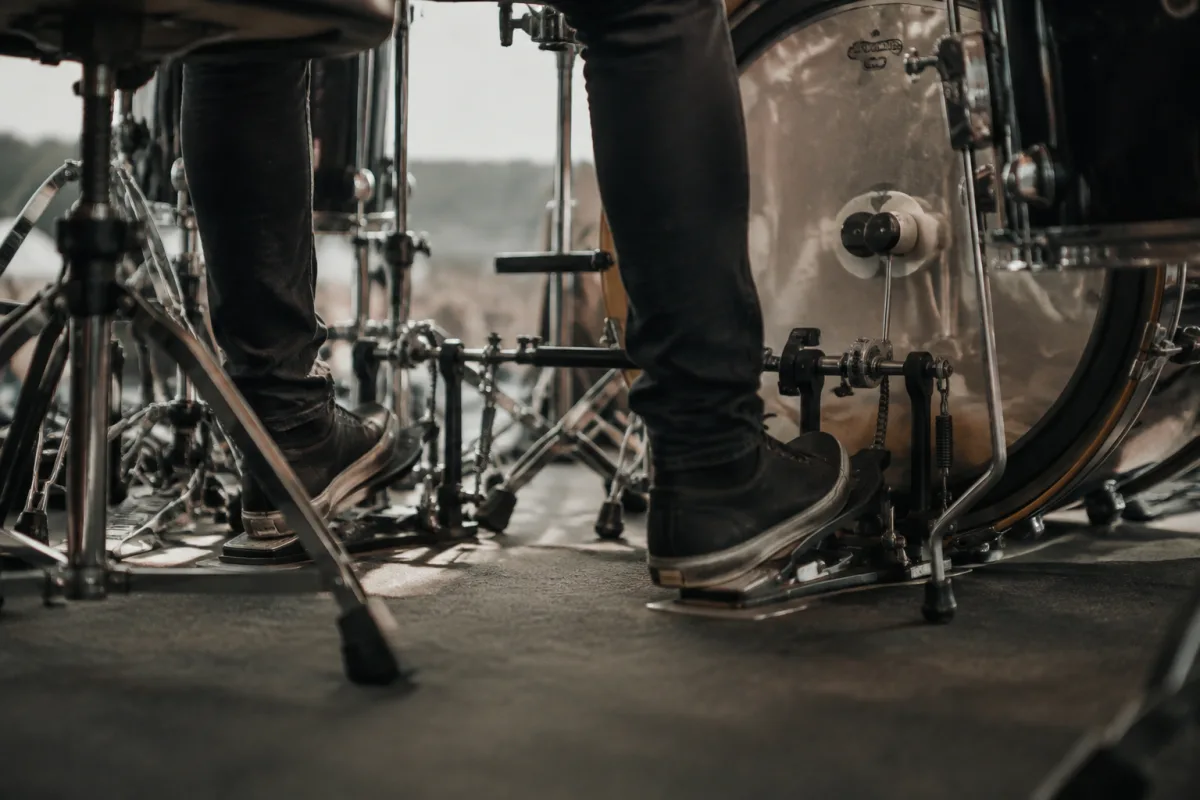
A double kick pedal transforms your drumming by enabling rapid kick drum patterns essential in metal, hard rock, and progressive genres. However, choosing between budget, intermediate, and professional double kick pedals requires understanding build quality, response mechanics, and how your playing style determines which features actually matter. This buying guide cuts through marketing and helps you invest wisely in a double kick pedal that won't frustrate you after six months.
How Double Kick Pedals Actually Work
Understanding the mechanism behind your double kick pedal prevents poor purchasing decisions. Traditional pedals have one footboard connected to a beater that strikes the kick drum. A double kick pedal adds a second footboard via a drive shaft or cam system that controls a second beater, or sometimes a chain connecting both beaters. This mechanical design profoundly affects how the pedal feels:
- Cam vs. Chain Drive: Cam-driven pedals (also called direct drive) respond with less travel—your foot movement is minimised. Chain-driven pedals allow more foot movement and feel more natural to drummers accustomed to single pedals. Chain drive generally feels superior for fluid playing; cam drive accelerates rebound but feels less organic initially.
- Beater Angle & Strike Response: How the beaters make contact with the drum head affects tone and speed. Adjustable beater angles let you optimise response for your playing. Lower-end pedals have fixed angles that often feel awkward.
- Spring Tension & Rebound: A tight spring returns the beaters quickly, enabling rapid strikes. Loose springs reduce fatigue but limit speed. Premium pedals offer adjustable spring tension; budget pedals lock you into a single feeling.
Double Kick Pedal Price Tiers & What You Actually Get
Budget shapes which features you access. Understand what distinguishes each tier:
- Budget Entry Pedals (£150–300): Basic double kick pedals with chain drive, plastic components, fixed spring tension. Suitable for learning double pedal basics and exploring the genre. Build quality is modest; they'll work but feel sluggish compared to professional units. Example investment for experimenting before committing to more serious gear.
- Mid-Range Performance Pedals (£300–700): Improved build with reinforced metal components, adjustable spring tension, smoother chain drive, and better beater design. These pedals feel significantly more responsive than budget options. Most gigging drummers in metal and rock use this tier professionally. Longevity jumps noticeably here.
- Professional Touring Pedals (£700–1,500+): Premium materials, precision engineering, multiple adjustment options (spring tension, beater angle, chain geometry), exceptional durability under touring wear. Professional-grade pedals maintain consistency through years of daily use. Worth the investment if you gig regularly or play demanding genres.
Critical Specifications to Evaluate
Before making your decision, assess these specs:
- Responsiveness & Speed: How quickly can the pedal execute rapid doubles? Test this personally; some players tolerate sluggish response whilst others find it unplayable. Watch demo videos and read drummer reviews for specific models.
- Adjustability: Can you adjust spring tension, beater angle, and footboard position? Adjustable pedals let you dial in your preferred feel as your technique improves. Fixed pedals lock you into someone else's setup choice.
- Build Materials: Plastic components are cost-effective but wear quickly under heavy use. Metal components (aluminium, steel) last significantly longer. Check construction photos and material specifications.
- Footboard Comfort & Angle: A non-slip footboard surface prevents your foot sliding during intense playing. Footboard angle affects comfort; some players prefer flat surfaces, others prefer angled platforms. Test this physically.
- Compatibility & Mounting: Will this pedal work with your existing drum hardware? Most double pedals accommodate standard single-pedal mounting systems, but clarify compatibility with your drum kit setup.
Double Kick Pedal Selection by Playing Genre & Style
Your musical needs shape which pedal features matter most. See the complete guide to double kick pedal for full model comparisons:
- Metal & Extreme Music Drummers: Prioritise speed and rapid-fire capability. Professional or high-end mid-range pedals (£500+) with responsive mechanics are non-negotiable. You'll demand fast rebound and minimal lag. Chain drive usually feels more natural than cam drive for this style.
- Progressive Rock & Fusion Players: Precision and adjustability matter more than pure speed. Mid-range pedals (£400–700) with adjustable spring tension and beater angles let you dial in the exact response your complex patterns demand. Smooth, controllable pedals suit this genre better than ultra-fast ones.
- Experimenters & Part-Time Players: Budget pedals (£150–300) let you explore the genre without major investment. Many drummers discover double pedal isn't essential to their style and appreciate the lower entry cost. Don't overspend until you're certain this addition improves your playing.
- Recording Studio Drummers: Consistency and repeatability matter most. Professional pedals with fine adjustment options let you nail identical patterns across multiple takes. Plus, studio work often involves renting and moving gear frequently; premium build quality survives transport better.
Common Buying Mistakes to Avoid
Steer clear of these errors that lead to regret:
- Prioritising Speed Over Feel: The fastest pedal available means nothing if it doesn't feel natural under your feet. Response and comfort determine whether you'll actually practise with your new pedal. Test thoroughly before committing.
- Ignoring Build Quality: Cheap plastic components fail during tours or after 1–2 years of regular use. If you play more than casually, investing in metal construction saves money long-term because you won't need replacement.
- Overlooking Adjustment Options: Fixed-spring, non-adjustable pedals feel wrong for many players. As your technique improves, you'll want to tweak tension and beater angle. Budget for adjustability or risk outgrowing your pedal quickly.
- Not Testing Before Purchase: Pedal feel is personal and subjective. Order from retailers with return policies; spend the return window genuinely testing. Your feet will know within hours whether a pedal suits you.
- Overestimating Speed Needs: Double kick pedal speed sounds impressive but matters less than controlled, consistent patterns. Most drummers benefit more from a responsive mid-range pedal they've mastered than a lightning-fast professional pedal they can't control.
Maintenance & Longevity Considerations
A good double kick pedal requires basic maintenance:
- Chain Lubrication: Chain-drive pedals need occasional light lubrication to prevent rust and squeaking. Budget 30 seconds monthly.
- Spring Tension Checks: Springs gradually lose tension with heavy use. Professional pedals allow re-tensioning; budget pedals often can't be adjusted. Plan for potential spring replacement in 3–5 years of regular use.
- Beater Wear: Beater heads wear out with time and striking force. Premium pedals offer affordable replacement beater modules (£20–50); budget pedals sometimes require full pedal replacement. Factor this into long-term cost assessment.
Used vs. New Double Kick Pedals
Secondhand pedals can offer value if you inspect carefully. Look for visible wear on chains, springs, and mechanical components. Test all adjustments thoroughly. Spring tension degrades over time; a used pedal might feel sluggish compared to new. Warranty rarely transfers to second owners. For professional touring drummers, new equipment with warranty justifies the investment; hobbyists comfortable with maintenance can save 40–50% buying secondhand.
Making Your Decision
Evaluate your playing level, budget, and musical goals honestly. Beginners exploring double pedal benefit from mid-range equipment (£400–600) that balances cost and quality. Professionals and genre specialists justify investment in premium pedals (£800+). Whatever tier you choose, test physically, prioritise feel over speed, and budget for maintenance. A properly maintained double kick pedal serves you for a decade; choosing wisely at purchase time pays dividends.


Comments