


Alto Speakers article
The Complete Guide to Alto Speakers
Alto saxophone speakers control upper register production and tone quality. Proper maintenance and understanding speaker function unlock advanced playing techniques and reliable altissimo access.
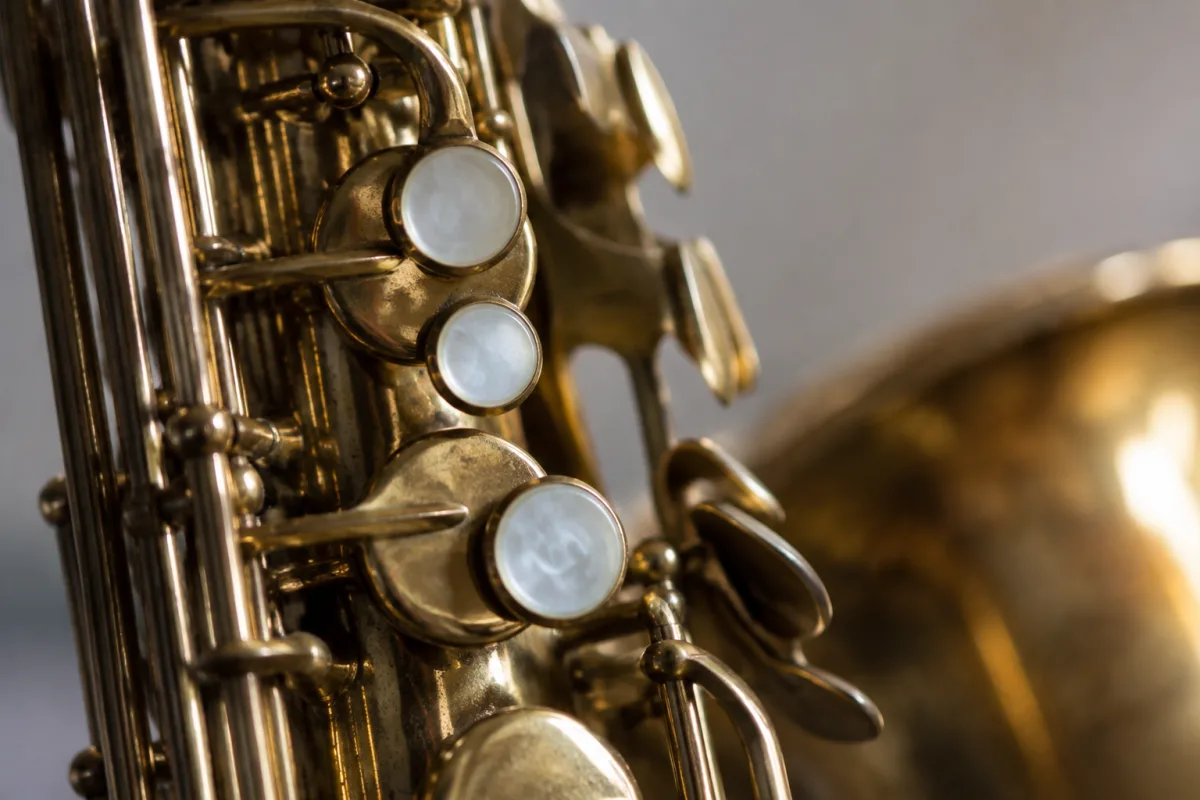
Alto saxophone speakers are crucial mechanical components that control tone production and facilitate upper register playing. Often overlooked by beginners, a quality alto speaker dramatically improves ease of playing high notes, tonal consistency, and overall instrument response. Understanding speakers unlocks advanced saxophonist skills and deepens appreciation for the instrument's engineering.
What is an Alto Saxophone Speaker?
A saxophone speaker is a small mechanical key that vents air from the tube above the first stack of tone holes. By venting air strategically, the speaker shortens the effective tube length, allowing the instrument to overblow into higher pitches. When you finger a low B and activate the speaker, the saxophone "speaks" in a higher register instead—enabling octave jumps and upper register playing.
Speakers are integral to saxophone design, varying by model and maker. Understanding speaker function and maintenance separates confident players from those struggling with altissimo and upper register control.
Alto Speaker Types and Designs
Single-Paddle Speakers
Traditional design featuring one mechanical paddle. When opened by the thumb lever, it vents air, enabling upper register playing. Most student and intermediate alto saxophones employ single-paddle speakers. Simpler mechanism means fewer parts prone to wear.
Double-Paddle Speakers
Advanced designs with two paddles offering refined upper register control. The second paddle provides additional venting options, enabling smoother altissimo fingerings and better pitch stability. Professional and high-end instruments often feature double-paddle systems.
Auxiliary Speakers
Some professional altos include a second speaker (typically on the low B key or first stack) providing additional venting for extended upper register flexibility. Auxiliary speakers enable certain altissimo fingerings impossible with standard single-speaker design.
Alto Speaker Function and Playing
Upper Register Playing
The primary function: pressing the speaker key opens a vent, allowing upper register production. Proper speaker technique—smooth thumb motion, coordination with fingering—develops with practice. Beginning saxophonists find altissimo production difficult partly due to speaker coordination challenges.
Harmonic Series and Pitch Control
The saxophone operates on harmonic series principles. Without the speaker, the instrument produces fundamental frequencies. With the speaker, it produces overtones—higher pitches using identical fingerings. This allows the instrument's full range from low B to altissimo.
Tone Colour and Response
Speaker design influences upper register tone colour and ease of production. A responsive, properly functioning speaker enables rich, projecting high notes. Poor speaker condition results in thin, difficult-to-produce altissimo and unstable upper register.
Maintaining Your Alto Saxophone Speaker
Cleaning
The speaker pad accumulates moisture and debris. Regular cleaning with a soft cloth prevents sticking and maintains pad condition. Some saxophonists use speaker pads sprayed with a light cork grease to enhance flexibility and response.
Regulation
Speaker pads must close completely for proper tone hole venting. Worn pads result in air leaks, compromising upper register quality and pitch stability. Professional saxophone technicians regulate speakers routinely, ensuring precise closure and optimal response.
Pad Replacement
Saxophone speaker pads wear with regular use. A technician can replace them affordably (typically £30–£60 per pad). Regular replacement every 2–3 years maintains optimal response and tone quality.
Lever Functionality
The speaker lever must move smoothly without grinding or resistance. If sticky or sluggish, have your technician inspect for debris or corrosion. Smooth operation ensures responsive speaker activation during playing.
Common Alto Speaker Issues
- Difficulty Accessing Altissimo: Often caused by faulty speaker pad closure. Air leaks prevent proper vent action. A technician can regulate the pad for improved response.
- Thin or Airy High Notes: Worn or damaged speaker pads cause inadequate venting. Pad replacement typically resolves this.
- Squeaking or Cracking: Poor speaker coordination or improper altissimo fingering. Work with your teacher to refine technique and speaker control.
- Stuck Speaker Lever: Debris or moisture inside the speaker mechanism. Technician cleaning and regulation usually restore smooth operation.
Speaker Upgrades and Modifications
Some advanced players upgrade to double-paddle or auxiliary speaker systems for enhanced upper register flexibility. Professional saxophone makers offer custom speaker configurations. For beginners and intermediate players, standard single-paddle speakers suffice. Upgrades are worthwhile primarily for advanced players pursuing extreme altissimo and specialised repertoire.
Choosing an Alto Saxophone with Responsive Speakers
When selecting an alto saxophone, test the upper register response carefully. Does the speaker activate smoothly? Are high notes easy to produce? Does the altissimo speak confidently? These practical tests reveal speaker quality and responsiveness. Avoid instruments with sluggish or unresponsive speakers; upgrading later is expensive.
Conclusion
Alto saxophone speakers enable upper register production and advance tonal possibilities. Whilst often overlooked, speakers profoundly affect playability, upper register ease, and overall instrument response. Regular maintenance and appropriate repair keep speakers functioning optimally. For players serious about developing altissimo and advanced upper register techniques, understanding speaker function and care separates casual players from accomplished saxophonists. A well-maintained, responsive speaker transforms your alto's potential and enjoyment of playing the full instrument range.


Comments