


Alto Speakers Buying guide
Alto Speakers: A Complete Buyer's Guide
Finding the right alto speakers doesn't require expert knowledge. This guide covers wattage, features, price ranges, and what to actually look for.
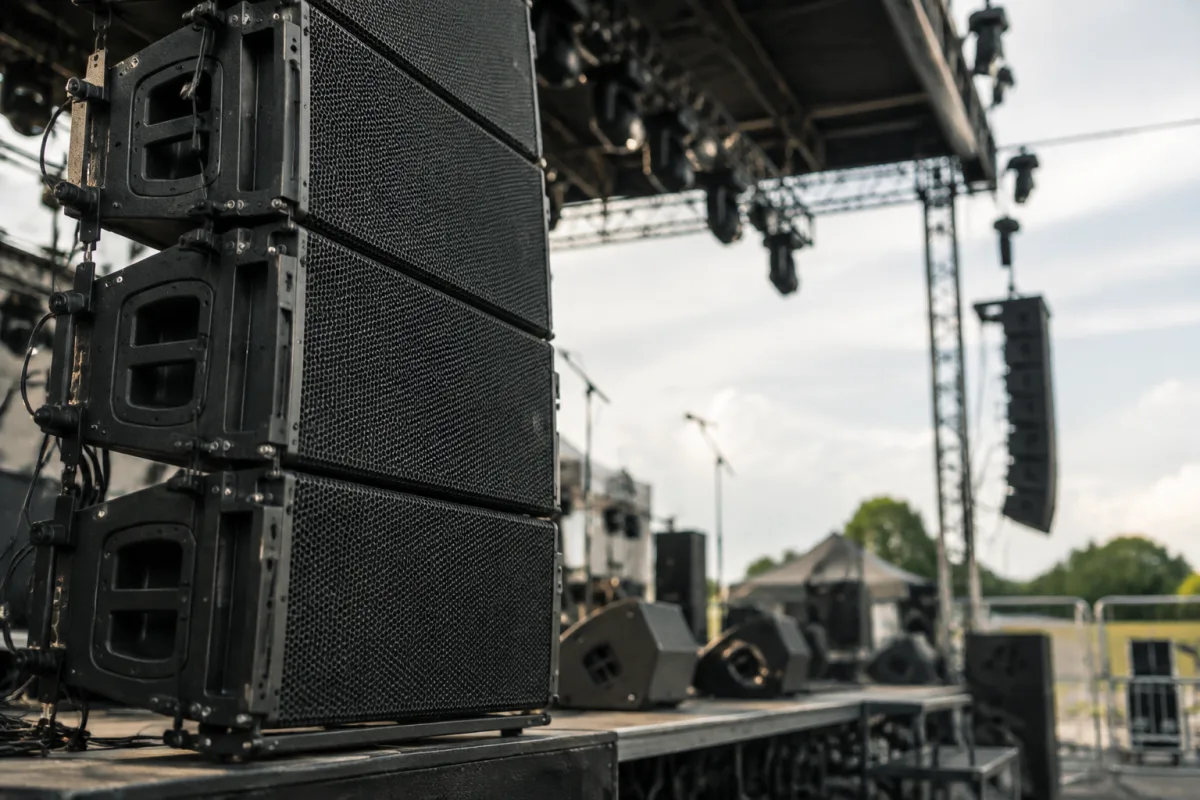
Choosing the Right Alto Speaker
If you're shopping for an alto speaker and you want to know what actually matters—wattage, frequency response, connectivity, whether you need one at all—this guide walks you through the decisions. Alto speakers sit in the middle-ground between small portable options and full-size rigs, and that's exactly their strength. I'll help you understand what to look for, what price you should expect, and how to avoid buying the wrong thing.
What an Alto Speaker Actually Does
An alto speaker is a powered speaker system designed to handle mid-level requirements. It's bigger than a small portable speaker but smaller and more affordable than a full-blown PA system. Most are designed for live performance, rehearsal, or DJ work—situations where you need decent volume and sound quality without the bulk and complexity of professional touring equipment.
The term "alto" usually refers to the wattage class and size category rather than anything to do with pitch. An alto speaker typically ranges from 50 to 200 watts. This is enough power for small venues, rehearsal spaces, and outdoor events without being so massive that it requires a truck to transport it.
Power Rating: Watts and What They Mean
Wattage tells you the maximum power output. A 100-watt alto speaker can play louder than a 50-watt one, but the relationship isn't linear. Doubling the wattage doesn't double the loudness—it adds roughly 3 decibels, which is noticeable but not dramatic. Think of watts as potential volume, not a direct loudness measure.
Consider your actual use. A 50-100 watt alto speaker is fine for rehearsal and small clubs. 100-150 watts handles larger rooms and outdoor events. Above 150 watts, you're getting into territory where full-size PA systems might be more appropriate. Most musicians never need an alto speaker larger than 150 watts.
Frequency Response and Sound Quality
Frequency response describes which frequencies the speaker handles well. A good alto speaker has a response of 40Hz to 20kHz or better, which covers everything a human ear can hear. Most decent models meet this standard.
More important than the spec sheet is how the speaker actually sounds. Bass response, midrange clarity, and treble reproduction all matter. Listen to several models if possible. A frequency response chart looks impressive, but your ears are the final judge. Read reviews from users describing actual sound quality.
Connectivity Options
Check what inputs the alto speaker offers. Most have XLR (balanced) inputs for professional audio equipment. Some add 1/4-inch inputs for guitars or keyboards. Bluetooth connectivity is common on newer models. USB or 3.5mm auxiliary inputs let you connect phones or computers.
Think about what you'll actually plug into this speaker. If you're mixing music from a laptop, USB or Bluetooth matters. If you're running a microphone, XLR is essential. If you're performing with a band using instruments, you'll want multiple XLR inputs or an external mixer.
Built-In Mixer vs. External Mixer
Some alto speakers have mixing features built in—multiple input channels with individual volume controls. This is genuinely useful if you need to mix multiple sources directly into the speaker. Others have just one input or simple level controls.
If you need to balance a microphone, backing track, and instrument, a speaker with built-in mixing saves you buying a separate mixer. If you already have a mixer, or if you only have one audio source to manage, a simpler speaker is cheaper and fine.
Portability vs. Power
Alto speakers typically weigh 10-30 kg. Most are portable—you can carry them, though you won't want to lug them far. Some have handles or wheels. Consider how often you'll move your speaker. If it's always in one room, weight doesn't matter. If you transport it weekly, lighter is better, even if it means slightly less power.
Convenience features matter practically. A speaker with wheels saves your back. One with a remote control is useful for adjusting volume without walking over. These aren't necessities, but they affect enjoyment in daily use.
Price Tiers
Budget alto speakers (£100-£200) are genuinely workable. Sound quality is decent, build is solid, features are basic. Most amateur musicians and small venues never need to spend more.
Mid-range models (£200-£400) offer better sound quality, more features like mixing channels, and generally more careful construction. This is where most serious users settle.
Premium alto speakers (£400+) have exceptional sound quality, professional-grade construction, and advanced features. These are for people who know exactly what they want and use it regularly. Most beginners should start lower and upgrade only when they've outgrown a smaller system.
Common Buying Mistakes
Don't buy the biggest, most powerful alto speaker thinking you'll grow into it. Get something for your actual current need. You can always upgrade later. Starting too big just wastes money and means carrying more than you need.
Don't assume more features are better. A simple speaker with one input and basic controls is often more reliable and easier to use than a complex one with mixing functions you'll never use. Simpler is often better.
Don't buy based on specs alone. A speaker with impressive-looking frequency response specs might sound harsh in practice. Trust reviews from actual users and listen in person if possible.
Setup and Use
When you get your alto speaker, read the manual. Different models have different input levels, gain structures, and settings. Ten minutes learning these details prevents frustrating surprises. Most speakers have a gain knob (controls input sensitivity) and a master volume (controls output). Setting these correctly is crucial.
Don't run the speaker at maximum volume constantly. This stresses the equipment and sounds terrible—distorted and fatiguing. Keep the master volume at reasonable levels and let the gain knob handle input level adjustment.
Conclusion
An alto speaker is a sensible middle ground for musicians, small venues, and DJs who need decent sound without professional touring equipment. Start with a budget or mid-range model suited to your actual use, listen before buying if possible, and expect to replace it only when your needs genuinely grow beyond its capacity. For an in-depth technical comparison and full model review, see our complete guide to alto speakers which covers specifications and every current model.


Comments