


Trevor James Saxophone article
Trevor James Saxophone for Beginners: A Complete Guide
Trevor James saxophones offer quality at affordable prices, making them perfect for beginners. Our guide covers what to expect, care routines and encouragement for your musical journey.
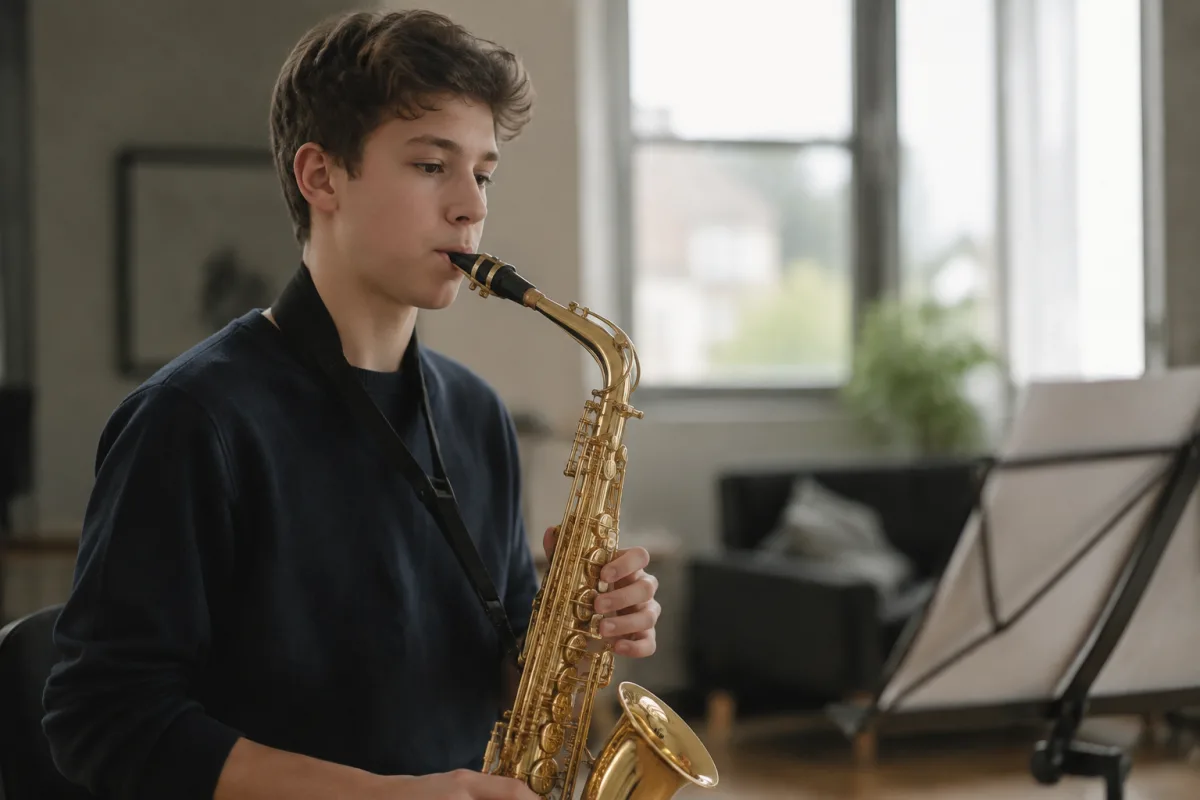
If you've decided to learn saxophone and you're considering a Trevor James instrument, you've made an excellent choice. Trevor James saxophones have earned a well-deserved reputation as the go-to option for beginners, students and aspiring jazz enthusiasts. This beginner-focused guide will walk you through what makes Trevor James special, what to expect in your first weeks, how to care for your new saxophone and the common mistakes to avoid as you begin your musical journey.
Why Trevor James is Ideal for Beginners
Trevor James has built their reputation on a simple philosophy: quality instruments shouldn't require a fortune. Whilst top-tier professional saxophones can cost £3,000–£5,000+, a Trevor James saxophone delivers genuine quality and playability at a fraction of that cost. This makes them the most sensible choice for someone just discovering the saxophone and unsure whether they'll commit long-term.
Beyond affordability, Trevor James instruments are known for ease of playability. The action (how the keys respond) is well-regulated out of the box, meaning you don't need expensive adjustments before playing. The tone is warm and forgiving, which is crucial for beginners—a difficult-to-play saxophone with a sharp, unforgiving tone will discourage new learners, whilst a responsive, musical instrument builds confidence and enjoyment.
Finally, Trevor James saxophones hold their value reasonably well. If you purchase a quality used model and later decide saxophone isn't for you, reselling won't represent a catastrophic financial loss. This practical advantage shouldn't be overlooked when investing in learning an instrument.
Understanding the Trevor James Range
Trevor James makes several saxophone models, each suited to different stages of learning. The Student range—particularly the Series II and Series III models—are the most common and most affordable, typically retailing for £400–£700 new. These are genuinely excellent instruments for learning, equipped with everything a beginner needs and nothing they don't.
The Custom series sits a notch higher in price (£700–£1,100) and offers slightly enhanced materials and finishing. For most beginners, the Student range is all you need; the Custom series suits players who've decided they'll stick with saxophone and want a marginal upgrade in response.
The Professional series represents professional-grade instruments at mid-professional prices, suited to serious students, music teachers and performers. Unless you're already a capable player committing to advanced study, the Student or Custom range is the right starting point.
Choosing Your First Trevor James Saxophone
Virtually every beginner buys an alto saxophone—the most popular, most intuitive size with an immediately accessible range. Alto is the right choice for learning fundamentals and playing with school bands. Tenor and soprano saxophones are less ideal for absolute beginners, requiring more developed breath control and embouchure (mouth position) technique.
When choosing between new and used, consider carefully. A new Trevor James alto typically costs £450–£600 including a basic case and accessories. Used models are cheaper (£250–£400) but require expert inspection to ensure proper regulation and no hidden damage. If you're not experienced evaluating saxophones, buying new offers peace of mind—you know the instrument has been properly set up and carries full warranty coverage.
Whichever you choose, ensure the package includes a hard case (essential for protection), reeds (the small, delicate pieces that vibrate to create sound), a cleaning swab and basic maintenance supplies. Without these fundamentals, you can't care for the saxophone properly, which means it will deteriorate rapidly.
Your First Weeks: What to Expect
Learning saxophone is genuinely difficult initially. Producing a sound requires a specific embouchure, correct air support and proper technique. Your first notes will probably sound squeaky, honking or weak. This is completely normal and doesn't indicate any problem with your instrument or your learning potential—every saxophonist started here.
Expect your embouchure to feel awkward and your facial muscles to tire easily during your first month. Thirty minutes of focused practice might leave your mouth sore. This passes quickly as your muscles adapt. Within two to three weeks of consistent practice, your embouchure will strengthen and awkwardness will diminish.
Sound quality improves dramatically once your embouchure settles. By week three or four, recognisable musical tones replace squeaks. By month two, you'll be playing recognisable melodies. Progress feels rapid and rewarding once you've survived the awkward beginning—and a quality instrument like a Trevor James makes this transition easier and faster than struggling with a cheap, difficult saxophone.
Essential First-Week Care Routine
Saxophone maintenance is straightforward and critical. After every practice session, pull the swab through the instrument to remove accumulated moisture. Moisture left inside damages pads (the soft material under the keys) and causes corrosion. This simple thirty-second step prevents most problems.
Store your saxophone in its hard case in a cool, dry location. Humidity and temperature extremes damage wood and mechanism alignment. Never leave a saxophone in direct sunlight, near a radiator or in a damp basement.
Oil the keys monthly with a tiny amount of specialist saxophone oil (not general machine oil). Pad conditioning is more complex and should be done by a professional every 1–2 years. For now, focus on the two simple routines: swab after playing and store properly. Proper care means your Trevor James saxophone will remain playable and require minimal repairs for years.
Common Beginner Mistakes to Avoid
The most destructive mistake beginners make is overwatering the reed before playing. A properly moistened reed needs only 10–30 seconds of soaking. Oversoaking makes it soft and sluggish, producing dull tone and poor response. Quick soak only, then get playing.
Another common mistake is practising too long without breaks. Playing an hour non-stop as a beginner damages your embouchure and discourages you through fatigue. Start with twenty-minute sessions, three to four times weekly. Quality practice beats quantity; focused twenty minutes teaches more than exhausted hour-long sessions.
Many beginners also buy cheap student reeds. A decent reed costs £1–£2, not an enormous expense, but poor reeds make learning harder by producing sluggish response and poor tone. Buy mid-range reeds (Vandoren 2.0 or Rico 2.0 are reliable and affordable) and change them when they deteriorate.
Finally, don't adjust the saxophone yourself when it develops issues. Adjusting key regulation requires specialist tools and expertise. If keys feel stiff, sticky or unresponsive, visit a technician. Proper adjustment might cost £30–£50 but beats trying to force a maladjusted mechanism.
Finding Teaching Support
Learning saxophone without instruction is genuinely difficult. Correct embouchure, posture and fingering technique are best learned from an experienced teacher who can identify problems and guide you. Even a few weeks of lessons from a qualified saxophonist establishes proper foundations, preventing bad habits that become difficult to break.
Lessons with a local teacher cost £15–£30 per thirty-minute session depending on location and teacher experience. Online instruction is cheaper (£10–£20) but lacks the hands-on positioning feedback. Consider at least one or two face-to-face lessons before going entirely online.
School band programmes also offer structured learning and the invaluable encouragement of playing alongside other musicians. If your school offers band, joining provides regular instruction, peer motivation and social engagement alongside musical development.
Managing Expectations and Building Confidence
Most beginners expect progress faster than actually occurs. Your first month will feel slow—squeaks turn to foggy notes, foggy notes gradually become recognisable tones. By month three, you'll play simple melodies. By month six, you'll have a genuine saxophone repertoire. This timeline is completely normal, not a sign of failure or lack of aptitude.
Music learning is non-linear. You'll have brilliant practice sessions where everything clicks, followed by sessions where progress feels invisible. This is how learning works; each frustrating session is building muscle memory and understanding even when it doesn't feel obvious.
Celebrate small wins. Your first clear note. Your first successful melody. Your first week without squeaking significantly. These minor milestones accumulate into genuine capability and confidence.
Conclusion
A Trevor James saxophone represents excellent value and genuine quality for your journey into saxophone playing. The instrument itself removes one major barrier—you don't need to wrestle with a cheap, difficult saxophone whilst learning proper technique. Your Trevor James responds intuitively to good embouchure and technique, making the learning path clearer and faster. Combine your quality instrument with consistent practice, proper care and ideally some qualified instruction, and within months you'll be making real music. The saxophone is a profoundly rewarding instrument to learn, and starting with a Trevor James saxophone sets you up for success and enjoyment. Embrace the awkwardness of early weeks, trust the gradual improvement process and celebrate every milestone. You're beginning a musical journey that will bring genuine joy for years to come.


Comments