


Trevor James Saxophone Buying guide
Trevor James Saxophone: A Complete Buyer's Guide
Trevor James saxophones are renowned for beginner-friendly quality and lasting value. This buyer's guide covers models, price points, condition assessment, and how to choose wisely.
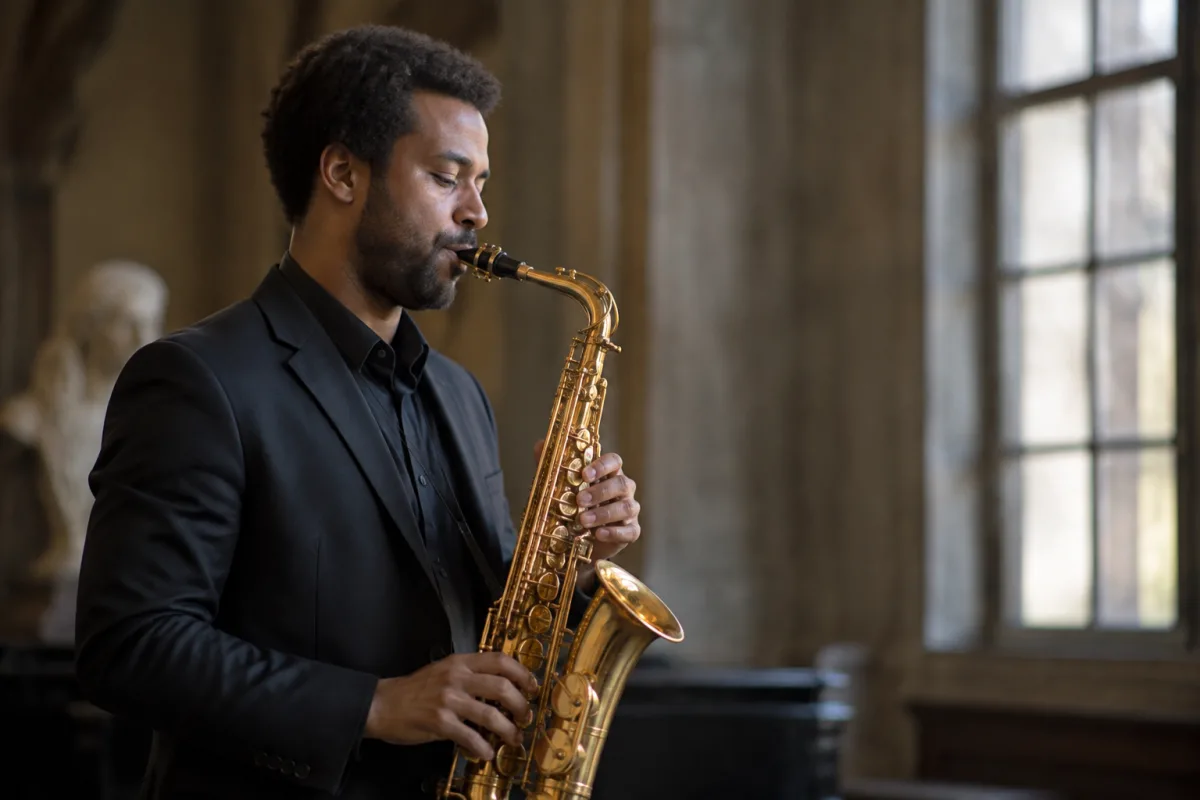
Choosing a quality beginner saxophone is one of the most important decisions a young musician will make. Trevor James has built a reputation for crafting instruments that are affordable, reliable and genuinely enjoyable to play, making them a popular choice for school bands and first-time players worldwide. If you're considering purchasing a Trevor James saxophone, this guide helps you understand the options, features and price points so you can make an informed choice that suits your needs and budget.
Why Choose a Trevor James Saxophone?
Trevor James is a respected British manufacturer with over a century of saxophone-building experience. Their instruments are known for being beginner-friendly, well-constructed and capable of lasting years with proper care. Unlike cheap imports that start to deteriorate quickly, a Trevor James saxophone holds value and continues to play well as you improve.
The brand is particularly strong in UK schools, where many players first encounter their instruments. This means parts and service are accessible, there's a large secondhand market, and you're likely to find communities of players who can offer advice and support.
Key Models and Price Points
Trevor James offers several saxophone models designed for different stages of learning:
- Tenor models (most common for beginners): The tenor is the standard choice for school bands and learning. Trevor James tenor saxophones typically range from £400–£1,000 depending on the specific model and condition. Entry-level models are around £400–£600; professional-quality tenors range £800–£1,200+.
- Alto saxophones: Smaller and higher-pitched than tenor. Popular for younger players and jazz. Prices similar to tenor models.
- Soprano saxophones: The highest-pitched, most challenging for beginners. Rarely chosen for a first instrument; usually acquired later as players develop technique.
- Baritone saxophones: Low, warm and heavy. Specialised choice for players looking for a different voice in an ensemble. More expensive than tenor models.
What to Check When Buying a Trevor James Saxophone
Condition and wear: If buying used, inspect the saxophone carefully. Look for dents, leaks, corrosion, and whether pads (the soft seals under each key) are intact. A well-maintained used Trevor James saxophone can be an excellent value; a neglected one will cost money in repairs.
Pad condition: This is the biggest cost factor in saxophone maintenance. New pads cost £200–£400+. If pads are visibly worn or if the instrument leaks air, factor in this expense before committing.
Cork and springs: Cork around the neck joint can dry out and crack. Springs under the keys can rust or weaken. These are relatively inexpensive to replace but worth checking on a used instrument.
Sound quality: Play the saxophone if possible. Does it respond easily? Is the tone consistent across the range? Does it feel comfortable to hold? Trust your ear; a good instrument should feel intuitive.
Key action: Do all keys respond smoothly when pressed? Are there any sticky or sluggish keys? Poor key action suggests poor maintenance or wear that may become expensive to fix.
New vs. Used: What's the Right Choice?
A new Trevor James saxophone offers warranty, known condition and the assurance of reliability. It's the safer choice if you're learning and you want to avoid unexpected repair costs.
A used Trevor James saxophone can cost 30–50% less but requires careful evaluation. If you're buying from a reputable music shop, they typically inspect and service used instruments before selling. Private sales require more caution. If the saxophone has a recent inspection and receipt from a qualified technician, buying used can be smart. If it hasn't been serviced in years, negotiate for professional evaluation before committing.
New vs. Old (Vintage) Models
Older Trevor James saxophones (1970s–1990s) are often highly regarded for build quality and tone. Vintage models can be excellent value but require expert assessment. Newer models (2000s onward) have been refined over decades and offer more consistency. Unless you're buying from someone you trust, stick with models from the last 10–15 years.
Budget Recommendations
First saxophone on a budget (£400–£650): An entry-level new Trevor James or a well-maintained used model from 5–10 years ago. Suitable for learning technique and determining whether you love the instrument.
Serious beginner or intermediate player (£650–£1,000): A mid-range new Trevor James or a premium used model with recently replaced pads. This is the sweet spot for most learners—better tone, easier to play, and likely to last years.
Advanced player or professional (£1,000+): Top-tier new models or carefully selected vintage instruments. At this point, play-testing is essential and budget extends to professional setup and maintenance.
Hidden Costs to Budget For
Beyond the initial purchase price, factor in:
- Reeds: £3–£10 each, you'll go through several before finding ones you like.
- Neck strap: £20–£50 for a quality, comfortable strap.
- Mouthpiece cap and case care: Basic accessories £20–£50.
- Pad replacement: £200–£400+ every 5–10 years depending on use.
- Annual servicing: £100–£200 to keep everything running smoothly.
Where to Buy
Reputable music shops (online and brick-and-mortar) offer selection, expertise and often service support. Secondhand marketplaces require more caution but can offer value. Never buy from listings with vague descriptions or suspicious pricing—it's usually a sign of hidden problems.
For more detailed information about specific Trevor James models, their history, sound characteristics and comparisons with other brands, read our comprehensive Trevor James saxophone guide.
Making Your Final Decision
A Trevor James saxophone is an investment in your musical future. Whether you choose new or used, prioritise sound quality, key action and overall condition. Play-test if possible. Ask your director or instructor for recommendations. And remember, the best saxophone is the one that feels right to you and that you'll pick up and play every day.


Comments