


Saxophone Case article
Saxophone Case for Beginners: A Complete Guide
A quality saxophone case protects your instrument from damage, weather, and humidity changes. This beginner's guide helps you choose the right case for reliable protection.
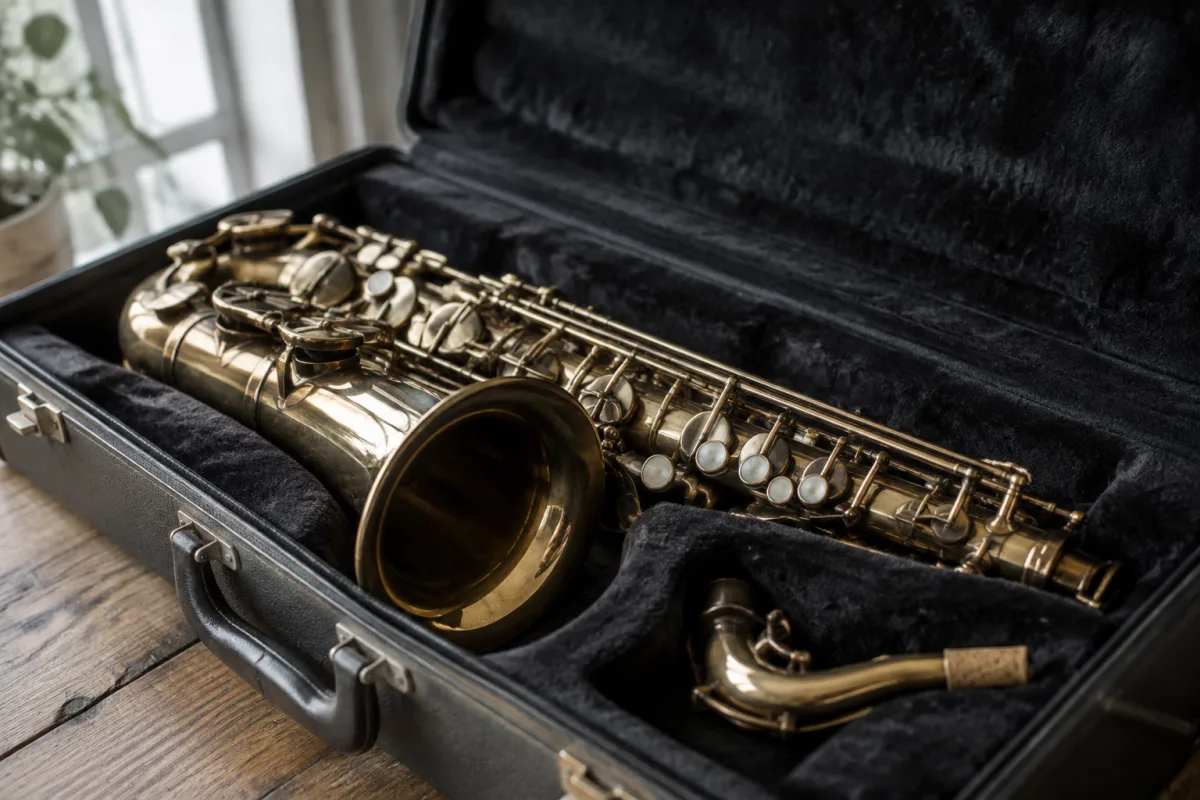
A saxophone case might seem like an afterthought when buying your first saxophone, but it's where your instrument spends most of its time. A quality saxophone case protects your instrument from damage, weather, humidity fluctuations, and physical impacts that can bend keywork or crack wood. For beginners, choosing the right case is choosing years of reliable instrument protection and consistent playability.
Hard Case vs. Soft Case: The Fundamental Choice
Hard cases use rigid plastic or wood exteriors providing maximum protection. They're heavier and bulkier but genuinely shield saxophones from impacts and weather. Soft cases use padded canvas or nylon with lightweight frames, offering portability with modest protection.
For beginners primarily practicing at home or transporting to lessons, a quality hard case is preferable. Saxophones are delicate instruments—keywork bends easily, and pads are moisture-sensitive. Hard case protection prevents expensive repairs. If you're gigging constantly, soft cases offer acceptable protection with better portability.
Interior Padding and Foam Quality
Interior padding determines protection from impacts. Cheap cases use thin, inadequate foam that fails when the case experiences drops or impacts. Quality hard cases use dense foam designed to absorb shock without transmitting vibration to the instrument.
Check interior padding thickness when evaluating cases. Does the foam compress easily under finger pressure? That's insufficient protection. Quality foam resists compression and protects reliably.
Case Size and Saxophone Model Compatibility
Saxophone cases are specific to instrument types. Alto saxophone cases differ from tenor, baritone, and soprano cases. Buying the wrong size creates problems—a tenor case won't properly hold an alto, risking instrument damage from shifting inside the case.
When buying a case, confirm compatibility with your specific saxophone model. If you're purchasing simultaneously with your saxophone, let the retailer pair them appropriately.
Handle Construction and Durability
The handle must withstand hundreds of lifting cycles without tearing, cracking, or separating from the case body. Quality handles use reinforced stitching and sturdy materials. Cheap handles fail frustratingly quickly, rendering cases difficult to transport.
Check handle attachment points. Are they stitched and glued? Single-stitched handles separate easily. Double-stitched, glued handles survive years of use.
Latch and Lock Mechanisms
Cases must open and close reliably without case popping open accidentally during transport. Quality latches click firmly and hold securely. Cheap latches feel loose or sticky. Some cases include optional locks for security.
Test latches when possible. They should feel solid without excessive resistance. If latches feel flimsy, protection is compromised.
External Case Condition Protection
Case exteriors require durable materials that resist denting, cracking, and water penetration. Hard cases use plastic, fiberglass, or wood with waterproof seals. Soft cases use water-resistant canvas or nylon.
For outdoor or gigging use, waterproof seals matter. Moisture inside a case causes instrument damage—pads swell, corrosion forms. A sealed hard case prevents internal moisture accumulation.
Aerator Vents and Humidity Control
Some quality cases include humidity control features—ventilation holes that prevent stagnant, moisture-laden air while protecting from external moisture. This maintains optimal humidity inside the case, protecting pads and mechanisms.
Sealed hard cases prevent air circulation but also prevent moisture entry. Soft cases with minimal sealing allow air movement but provide less weather protection. Your priority determines which system suits better.
Accessory Compartments
Quality cases include compartments for reeds, ligature, cork grease, cloth, and other accessories. These keep everything organized and prevent loss during transport. Basic cases offer no accessory storage.
Check compartment organization. Do they have secure, designated spots for your accessories? This matters practically during daily use.
Case Weight and Portability
Heavier hard cases protect maximally but become burdensome for daily transport. Lighter soft cases sacrifice some protection for ease of carrying. Consider your daily routine when choosing.
If you're walking or cycling to lessons, weight matters. If cases sit in your car or practice space, maximum protection becomes priority.
Budget Tiers for Saxophone Cases
Budget soft cases (GBP 30-60) offer minimal protection and short durability. Entry-level hard cases (GBP 60-120) provide solid protection and reasonable durability. Quality hard cases (GBP 120-250) offer excellent protection and years of reliable use.
For beginners, a solid entry-level hard case (GBP 80-120) is optimal. You gain adequate protection without excessive expense. As you progress, you might upgrade to premium cases with specialized features.
Wooden Hard Cases vs. Plastic
Wooden hard cases offer classic aesthetics and robust protection. They're heavier and more expensive. Plastic cases offer comparable protection with lighter weight and lower cost. Both serve beginners effectively—choice is primarily aesthetic and practical.
Travel Considerations
If you fly with your saxophone, airline-approved cases are essential. Standard cases aren't designed for aircraft cargo handling. Travel cases use reinforced protection and fit airline regulations. Budget accordingly if travel is planned.
Case Maintenance and Longevity
Cases require minimal maintenance. Clean exteriors occasionally. Check hinges and latches periodically for wear. Replace foam if it compresses inadequately. Proper maintenance extends case life significantly.
Common Saxophone Case Mistakes
Don't assume saxophone comes with an adequate case. Package cases are often inadequate. Investing in a separate quality case protects your instrument better. Don't prioritise aesthetics over protection—a plain protective case serves better than a beautiful fragile one.
Don't store your saxophone in the case indefinitely. Stagnant air inside cases causes moisture accumulation and pad damage. Remove your saxophone after practice sessions, allowing air circulation.
Brand Reputation and Reliability
Established instrument retailers' case lines are reliably protective. Brands like Yanagisawa, Selmer, and generic quality hard case manufacturers all offer dependable protection. Avoid ultra-cheap imported cases with poor quality control.
Explore our comprehensive guide to saxophone cases for detailed specifications and expert recommendations.
Choosing a saxophone case is investing in your instrument's longevity and consistent playability. Prioritise solid protection over aesthetics. A quality hard case protects reliably for years, becoming invisible in the best way—your saxophone stays safe, your pads remain healthy, and you focus on playing rather than worry about damage. The best saxophone case is the one that disappears into your routine, silently protecting your instrument every single day.


Comments