


Recorder Yamaha article
Recorder Yamaha for Beginners: A Complete Guide
If you're nervous about learning the recorder, Yamaha recorders are among the finest choices for beginners. Discover how to get started, what to expect, and how to avoid common pitfalls.
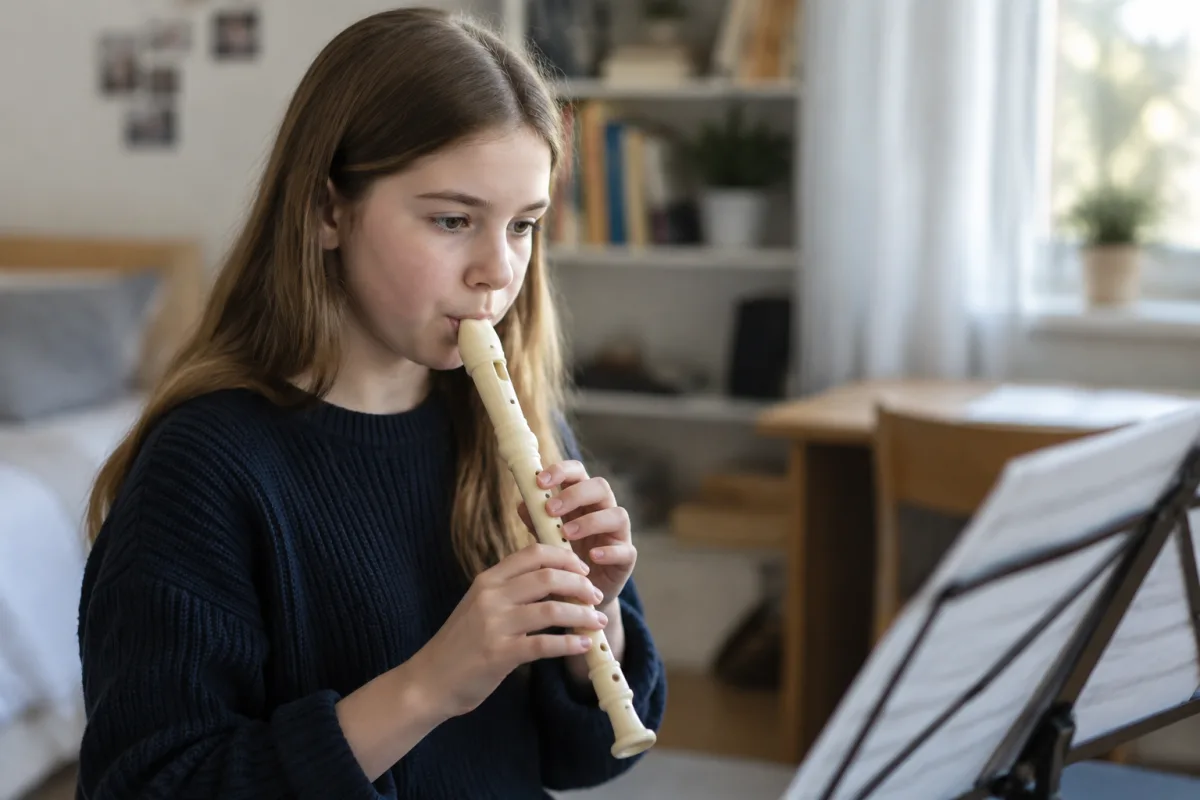
If you're picking up a recorder for the first time, Yamaha recorders are among the finest choices available. These Japanese instruments are trusted by countless music teachers and learners worldwide because they're reliable, affordable, and actually enjoyable to play from day one. Whether you've inherited a recorder from a parent or chosen one deliberately, this guide will help you understand what you've got, how to use it, and what to expect as you start your musical journey.
Why Yamaha is a Smart Choice for Beginners
When you're nervous about learning an instrument, the last thing you need is a recorder that sounds awful or falls apart. Yamaha recorders solve this problem brilliantly. They're engineered to produce a warm, clear tone even if you're still figuring out breath control. Unlike cheaper alternatives that squeak and crack, a Yamaha recorder responds predictably to your playing, which is exactly what builds confidence.
The build quality matters too. Yamaha uses durable plastics and solid mechanics that survive the inevitable bumps and knocks of early practice. You're not babysitting a fragile antique; you're holding an instrument that's genuinely forgiving of beginner mistakes. And practically, Yamaha recorders are priced sensibly, so you're not investing hundreds of pounds before you even know if you'll enjoy playing.
Understanding Your Yamaha Recorder: The Basics
Before you play a single note, get familiar with the instrument's main parts. The body consists of the main tube, the windway (the channel inside that directs your breath), and finger holes. Most beginner Yamaha recorders are soprano recorders, about 30 centimetres long, with eight finger holes plus a thumb hole at the back. Some models have a removable mouthpiece for easier cleaning, whilst others are a single unit.
Inside, you'll find small pillars called reinforcement bars that keep the wood or plastic structurally sound. These aren't anything to worry about—they're just part of what makes the instrument reliable. The key is keeping the windway clear and dry, which we'll cover shortly.
Your First Days: Taking It Slow
The most important thing to know: recorder playing is about control, not force. Many beginners blow too hard, which causes squeaking and frustration. Start gently. Your first notes—usually B, A, and G—should come from a calm, steady breath, not a aggressive gust. Think of it like whispering rather than shouting.
Expect the first few sessions to feel awkward. Your fingers will feel clumsy on the holes. Your tongue might feel confused about when to move and when to stay still. This is completely normal. Every musician feels this way. By week two or three, muscle memory starts kicking in, and suddenly you'll realise you can play a simple melody without thinking about every finger. That's when it becomes fun.
Common First-Timer Mistakes to Avoid
Learning from others' experiences saves time and frustration. Here are the mistakes we see repeatedly:
- Blowing too hard. This is the number-one problem. A gentle, steady stream of air is all you need. If your recorder squeaks, your instinct will be to blow harder—resist it. Blow softer instead.
- Leaving the recorder wet. After playing, moisture collects inside. Tap out excess water gently and leave the recorder open to dry. Never seal it away damp. Yamaha recorders tolerate moisture better than many instruments, but dry is still best.
- Covering finger holes partially. Recorders need you to seal holes completely or leave them completely open. Half-covering causes the pitch to wobble. Clean, decisive finger movements matter more than how firmly you press.
- Skipping the mouthpiece care. If your recorder has a removable mouthpiece, pull it out after playing and let it dry separately. Build-up here affects tone quickly.
- Comparing yourself to others too early. Everyone progresses at their own pace. Avoid watching YouTube videos of advanced players when you're two weeks in. Instead, find beginner-level recordings and aim for those.
Setting Up Your Practice Space
You don't need much. A music stand, a chair, and a quiet corner are plenty. The quiet part matters—recorders are relatively quiet instruments, but they do produce sound, and you'll focus better without distractions or the pressure of other people listening while you're learning.
Set realistic practice goals. Twenty minutes daily is better than two hours once a week. Your fingers and lips need regular reminders of what they're supposed to do. If you're younger, a parent or teacher can help establish routine. If you're learning as an adult, blocking out the same time each day creates a helpful habit.
Reading Music and Learning Effectively
Most beginner Yamaha recorders come with a fingering chart. This shows you which holes to cover for each note. Spend time looking at this chart before you play—it's your map. Many learners benefit from a beginner's tutbook or YouTube lessons that show the fingerings visually. Seeing someone else's fingers move is remarkably helpful.
Don't rush to learn to read full sheet music. Start with simple melodies where you see the fingering and play it. Once you understand how the instrument responds, reading notation becomes much easier. Some people learn reading in parallel; others learn by ear first then add notation. Both paths work.
Maintaining Your Yamaha Recorder Long-Term
Proper care ensures your recorder stays responsive and pleasant to play. After each session, gently wipe the interior with a soft cloth (many Yamaha recorders include a cleaning rod and cloth). Leave the instrument out to air dry completely before storing. Keep it in a pouch or case to protect it from dust and damage. Yamaha recorders aren't precious enough to need climate-controlled storage, but they do appreciate being kept reasonably dry and away from extreme heat.
Every few months, check that the finger holes are clean and unobstructed. A slightly damp cloth will handle most grime. Avoid harsh chemicals or anything abrasive that might scratch the surface.
Moving Forward: What Comes Next
After two or three months of steady practice, you'll recognise something magical: your hands remember. You'll play a phrase without consciously thinking about every finger. Simple songs become genuinely enjoyable. At that point, you might consider a tutor book of folk songs or simple classical pieces, or you might take lessons with a teacher who can guide you towards more ambitious goals.
Some people stay with the soprano recorder and become quite proficient. Others branch into alto or tenor recorders, which sound deeper and richer. A few discover that recorders are their gateway to other instruments. None of these paths is better or worse—they're just different adventures, and your Yamaha recorder has given you permission to choose.
Learning to play the recorder is genuinely achievable, and you can explore a complete guide to Yamaha recorders for more detailed information. Start gently, practice regularly, expect early awkwardness, and give yourself grace as you learn. Within weeks, you'll be playing melodies you recognise. Within months, you might surprise yourself with what's possible. Your Yamaha recorder is your companion on this journey—it's built to encourage you, not defeat you. Enjoy the process.


Comments