


Recorder Yamaha Buying guide
Recorder Yamaha: A Complete Buyer's Guide
Choosing the right Yamaha recorder means understanding the key differences between models and knowing what specifications matter for your playing level and budget.
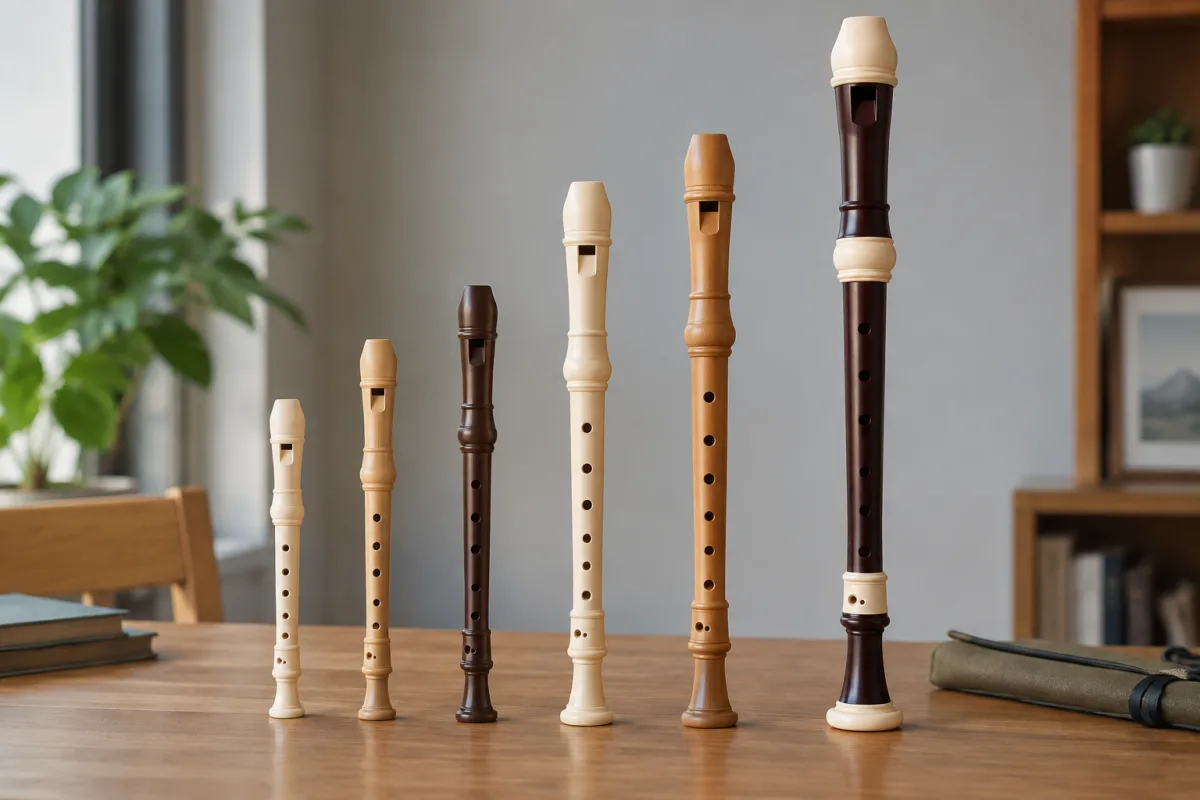
Choosing the right Yamaha recorder means understanding the key differences between models and knowing what specifications matter for your playing level and budget. Whether you're investing in your first quality instrument or upgrading from a student model, this guide cuts through the options to help you make an informed purchase decision.
Understanding Yamaha Recorder Model Tiers
Yamaha's recorder lineup spans from budget-conscious student models to professional-grade instruments. The brand's naming conventions and model numbers directly signal construction quality and playing characteristics. Entry-level Yamaha recorders start around £20–£40, making them accessible for absolute beginners, whilst student-grade models (£40–£120) represent the sweet spot for most learners who want durability without excessive expense. Intermediate performers typically move to £120–£300 instruments, which feature superior acoustics and responsiveness. Professional Yamaha recorders (£300+) use premium materials and precise manufacturing for concert-level performance.
Wood vs. Plastic: Material Matters
Yamaha recorders come in both ABS plastic and wood construction, and this choice significantly affects tone, maintenance, and longevity. Plastic recorders are ideal for beginners because they resist moisture damage, require minimal maintenance, and withstand the inevitable drops and rough handling that accompany early learning. ABS plastic models from Yamaha maintain consistent intonation and produce a bright, focused tone suitable for ensemble playing. Wooden recorders, typically made from yama-zakura or Peruvian wood, deliver warmer, more resonant tones that advanced players prefer. However, wood requires regular conditioning with linseed oil, crack prevention during seasonal humidity changes, and careful handling to avoid damage. If you're buying for a child or aren't committed to regular maintenance, plastic is the pragmatic choice.
Key Specifications to Compare
When evaluating Yamaha recorder models, several specifications directly affect playability and sound quality. Look at the windway design—modern tapered windways (found on higher-end models) provide better breath control and more consistent intonation across the range. Check the finger hole configuration: some models feature slightly enlarged or reshaped holes for easier hand positioning, particularly valuable if you have smaller hands. Intonation stability varies between models, so research user reviews about specific models' tendency to play sharp or flat without compensatory fingering adjustments. The recorder's bore size—how wide the internal air column is—affects both tone colour and breath requirement; narrower bores suit beginners, whilst wider bores allow more dynamic range for experienced players.
Beginner vs. Step-Up Investment
Budget allocation depends on your learning trajectory. A beginner starting lessons benefits from a £50–£80 Yamaha student model more than a £20 budget recorder, because the improved intonation and response reduce frustration and help develop good technique. The jump from student to step-up (£120–£250) noticeably improves tone warmth and playing comfort but isn't essential until you've practised for 12–18 months. False economies matter here: buying the cheapest Yamaha recorder at £15 often leads to frustration and early dropout because poor intonation makes practice discouraging. Conversely, spending £500+ on a professional recorder before mastering intermediate repertoire is wasteful—your ability improves faster than you'll outgrow a mid-range instrument.
Checking Condition and Build Quality
Inspect these specific elements before purchasing, whether buying new or secondhand. The labium (mouth opening at the top) should be sharply defined and symmetrical; any chipping compromises tone quality and breath responsiveness. Run your finger along the windway interior—it should feel smooth without rough edges or irregularities that cause squeaking. Test all finger holes by pressing each firmly; they should feel consistent in resistance and create an airtight seal. Listen for any rattle or buzzing when you hold the recorder to light and gently shake it, which indicates loose internal parts or damage. Examine the cork strip around the head joint (if present) for drying, cracks, or deterioration—replacement corks cost £10–£15. Check that the head joint fits snugly onto the barrel without excessive force; loose joints affect tuning stability.
Brand Comparisons and Value
| Model Type | Typical Price | Best For | Key Advantage |
|---|---|---|---|
| Yamaha YRS-23 (Plastic Student) | £30–£45 | Complete beginners, school programmes | Excellent value, durable, consistent intonation |
| Yamaha YRS-32B (Plastic Intermediate) | £70–£100 | Progressing learners, intermediate play | Superior hand comfort, improved tone |
| Yamaha YRT-304II (Wood Step-Up) | £200–£280 | Serious amateurs, ensemble musicians | Warm wood tone, better dynamic control |
| Yamaha YRT-804 (Wood Professional) | £350–£450 | Advanced players, professional ensemble | Premium wood, concert-level response |
Avoiding Common Purchase Mistakes
Don't select a recorder based purely on price or appearance. The cheapest Yamaha available often underperforms compared to competing brands at similar price points. Avoid models with noticeably harder windways if you have reduced breath strength or lung capacity—they're tiring and discourage practice. Don't assume that the most expensive Yamaha recorder is always the best choice for your level; a professional-grade instrument in untrained hands yields no advantage and can feel awkward. Beware of secondhand bargains without inspection—a £10 wooden recorder with internal cracks or damaged finger holes becomes an expensive paperweight. Finally, don't buy a larger soprano recorder if you have small hands; tenor recorders suit adult learners better but demand significantly stronger embouchure control.
Where to Buy and Warranty Considerations
Yamaha recorders are widely available through music shops, online retailers, and educational suppliers. Specialist music shops offer the advantage of trying instruments before purchase and accessing expert advice; they're worth the potential small price premium. Online retailers typically offer competitive pricing but eliminate the option to inspect before buying. Always check the warranty—genuine Yamaha instruments come with manufacturer guarantees covering defects in materials and workmanship, usually 1–2 years. Purchase receipts matter for warranty claims, so avoid sellers unable to provide proof of authenticity. Educational bulk suppliers occasionally offer slightly reduced pricing for institutions buying multiple recorders, but individual purchases rarely attract meaningful discounts from authorized retailers.
For more comprehensive information about different recorder styles and their characteristics, explore the complete guide to recorder yamaha. With the specifications and considerations outlined above, you're equipped to select a Yamaha recorder that matches both your budget and your playing ambitions, ensuring your investment supports genuine progress rather than frustration.


Comments