


Horn Cor Anglais article
Horn Cor Anglais for Beginners: A Complete Guide
Starting the cor anglais feels daunting, but it's far more approachable than you might fear. This beginner's guide covers first steps, what to expect, embouchure, reeds and how to avoid the most common pitfalls.
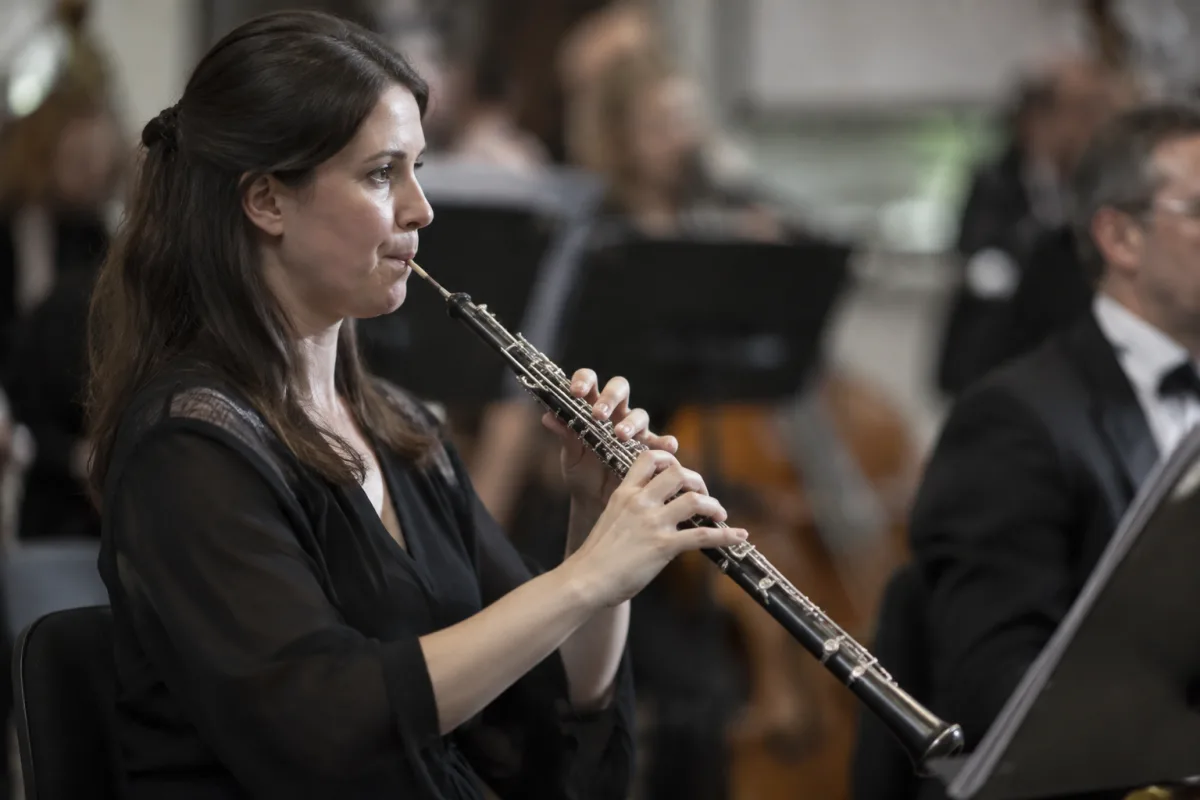
Starting the cor anglais (also called English horn, despite not being English or a horn) feels daunting at first—it's a double-reed instrument, it requires embouchure control and stamina, and the reeds are finicky. But it's far more approachable than you might fear. Plenty of players come to the cor anglais from oboe, clarinet, or even fresh as a first serious instrument; they all found their way through the early confusion. This guide covers the realistic first steps, what to expect in your first weeks, how to avoid the most common beginner pitfalls, and why you should feel confident enough to try.
Understanding What the Cor Anglais Is
The cor anglais is an oboe relative—it's a double-reed woodwind instrument, pitched in F (a fifth lower than the oboe). It sounds warm, mellow and slightly melancholic; if you've heard film or orchestra soundtracks with a lonely, soulful middle voice, you've probably heard a cor anglais. It's essential in orchestral music and sits right in the sweet spot between the higher oboe and lower English horn sound.
Many beginners come from oboe, and that's genuinely helpful—the fingering is nearly identical, the embouchure controls are familiar. But plenty of players start on cor anglais fresh, too. It's not as common as clarinet or saxophone, so lessons and community might be thinner in your area, but that's the only real barrier.
Getting a Starter Instrument
A decent beginner cor anglais costs roughly £1,200–2,000. It's an investment, yes, but not unreasonable for a serious instrument. Renting is an option (about £30–50 per month) if you want to try before committing. Most teachers recommend buying if you're serious about learning—rentals are fine for a trial month or two, but you'll get better sound and faster progress with an instrument truly your own.
Student model cor anglais instruments work fine for learning; you don't need a pro model. Brands like Yamaha, Fox and Howarth all make reliable beginner instruments. Ask your teacher or a local music shop which is available in your area. Avoid extremely cheap instruments—they're frustrating and sound thin. A mid-tier student model will serve you through your first couple of years without needing an upgrade.
Reeds: The Mystery That Isn't
This is where many beginners panic. Cor anglais reeds are double reeds (two pieces of cane that vibrate against each other), and they're genuinely fussy. Some won't play at all; some soften after a few hours; some feel stiff. It's maddening until you understand it's normal.
Start with three to five decent student reeds (around £3–5 each). Some will be better than others; that's expected. Your teacher or the shop can help identify which one plays most easily. Use that reed for your early practice while you get the basics down—no point chasing finicky reeds when you're learning embouchure control anyway.
As you improve, you'll learn to rotate reeds (letting them rest between sessions—they last longer that way) and eventually adjust them yourself. For now, just accept that reeds are temperamental and carry a backup to every lesson.
Your First Embouchure: Be Patient
The cor anglais embouchure (how your lips hold and vibrate the reed) takes weeks to develop. You won't sound great for the first month, and that's completely normal. Your lips are learning a new shape and pressure point. Some players find it easier than oboe; others find it slightly stiffer. Either way, progress is gradual, not instant.
Your teacher will guide you, but the key principle is this: a relaxed mouth with consistent air pressure, not a death grip. Beginning players often clamp down too hard, which kills the reed's vibration and makes everything exhausting. If you're struggling, try relaxing your embouchure, supporting instead with steady airflow. It usually helps immediately.
Breath Control and Stamina
The cor anglais is played the entire note with steady air pressure. Your diaphragm controls the airflow, not your throat. If you're running out of breath, you're either holding tension (which wastes air) or you're not engaging your diaphragm properly. Practising long tones—sustaining single notes for 8, 10, 16 counts—builds stamina and teaches breath control.
Don't expect to hold a note for a minute in week one. Start with whatever is comfortable—often 4–8 counts—and add more as weeks pass. Ten weeks in, you'll surprise yourself with how long you can go.
Finger Technique and Coordination
If you're coming from oboe, the fingering is almost identical; you'll feel at home. If this is your first woodwind, the finger patterns will feel awkward initially. That's fine—every player feels that way. Practising scales slowly (ten notes per minute at first) builds muscle memory without frustration. Over weeks, fingers find their way.
Common beginner mistake: rushing into fast passages. Slow, deliberate practice first; speed comes naturally later. You'll play faster in month three than you think possible, as long as you build the foundation carefully now.
Common Beginner Mistakes and What to Avoid
The most frequent error is practising without a teacher. You can teach yourself the absolute basics, but you'll ingrain bad habits—incorrect embouchure, poor posture, weird fingering—that take years to undo. Find a teacher (even lessons every other week, not weekly) and follow their guidance. It's worth the money.
Another mistake: expecting to sound like a professional in month two. You won't. The cor anglais has a subtle, warm tone that develops over time. Early on, you'll sound like a learner. That's not failure; it's the path every player takes. Stay patient with yourself.
Buying too many reeds at once and not rotating them is also common. Reeds rest between uses and last longer that way. A set of five reeds, rotated daily, will serve you well for months. You don't need twenty reeds as a beginner.
Expectations: The First Three Months
Weeks 1–2: Basic sound, slow progress. Everything feels awkward. This is normal. Stick with it.
Weeks 3–4: Embouchure settling. Sounds more even. You can sustain notes with less effort. Reeds are still a mystery but slightly less infuriating.
Weeks 6–8: Real progress. You can play simple melodies. Scales are becoming fingers-automatic rather than "what's next?" exercises. Your reed preferences are obvious now.
Weeks 8–12: Confidence emerging. You sound like a real beginner cor anglais player. Tone is developing. You can sustain passages and even play at reasonable speeds. By week twelve, you've gone from bewildered to genuinely musical.
Practice Schedule for Success
Twenty to thirty minutes daily is better than two hours on Sunday. A cornet anglais reed needs time to recover between sessions, and your embouchure needs regular repetition to build strength. If you can only practise every few days, that's honest—practise then, and accept slower progress. But daily practice, even brief, accelerates learning dramatically.
Finding Community and Encouragement
The cor anglais is less common than clarinet or saxophone, so local communities might be small. But orchestras, chamber groups and online communities exist. Finding even one person playing cor anglais—online or locally—makes a huge difference. Hearing them play live or watching videos reminds you why you started. You're not alone in this peculiar, rewarding journey.
Conclusion
Learning the cor anglais is genuinely achievable if you approach it with patience, find a teacher and commit to daily practice. The first month is weird and frustrating; weeks 2–12 bring tangible progress and real joy. By three months, you'll be playing music that genuinely sounds beautiful, even at beginner level. For more context on the cor anglais, its place in orchestral music and more advanced topics, see the complete guide to the cor anglais.


Comments