


Horn Cor Anglais Buying guide
Horn Cor Anglais: A Complete Buyer's Guide
A practical buyer's guide to horn cor anglais covering key mechanisms, wood quality, condition assessment, price tiers, and common mistakes made when purchasing.
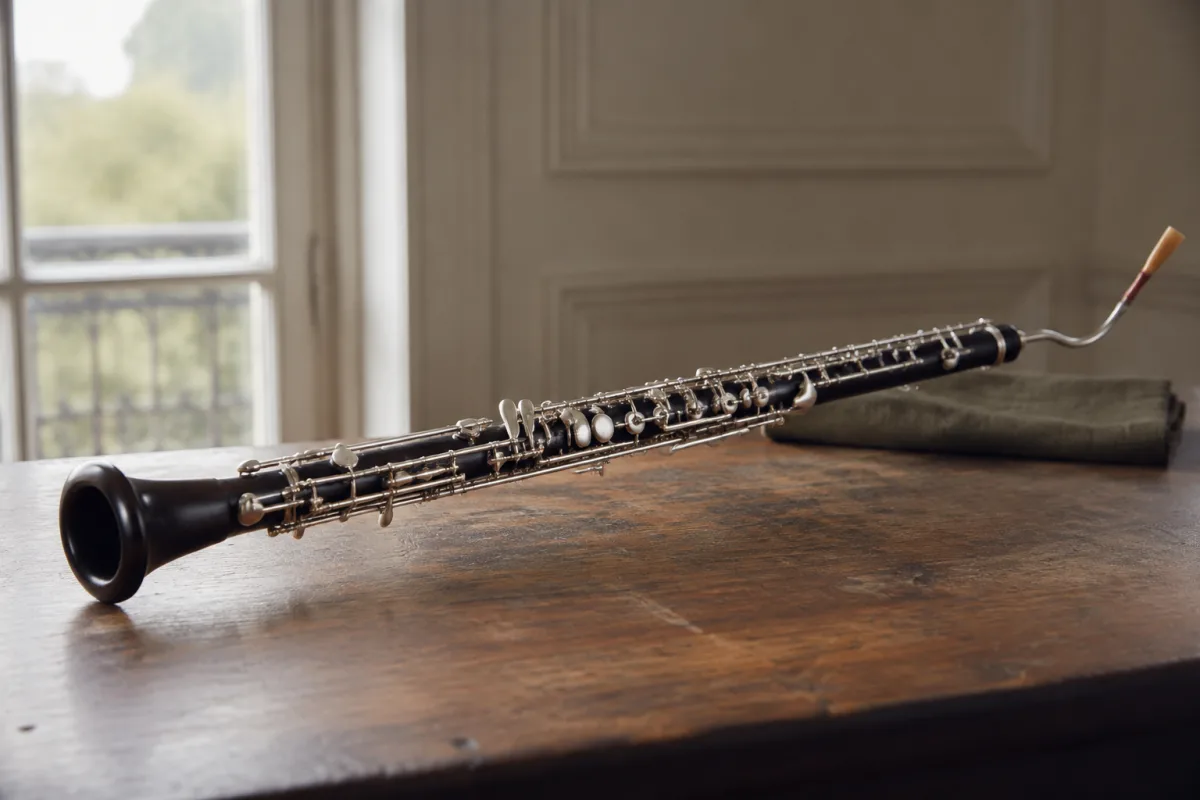
Buying a horn cor anglais—also known as an English horn or cor anglais—is a significant investment that requires careful consideration. Whether you're upgrading from a school instrument or purchasing your first cor anglais as a developing musician, understanding what to look for will help you make a wise choice. This buying guide focuses on the practical factors that determine whether you're getting genuine quality for your money.
Understanding Key Mechanisms: The Core Consideration
The key mechanism is the most important factor when evaluating a cor anglais. Different key systems suit different players and budgets:
- Full Conservatoire System: The most complex key layout, allowing for chromatic playing and alternative fingerings. Essential for professional orchestral work and contemporary music. Most expensive, steepest learning curve.
- Semi-Automatic (Plateau): Intermediate option with additional keys that operate automatically. Good balance between capability and affordability. Suitable for advancing students and semi-professional players.
- Simple System: Fewer keys, more limited range. Only viable if you're returning to cor anglais after years away or exploring the instrument casually. Not recommended for serious advancement.
When choosing a cor anglais, match the key system to your playing level and musical goals. Beginners don't need Conservatoire system complexity, but investing in Semi-Automatic keeps options open as you improve.
Wood Quality: Recognising the Difference
Cor anglais bodies are typically made from wood—usually grenadilla (African blackwood), maple, or less commonly, cocobolo. When buying a cor anglais, assess the wood quality by:
- Colour consistency: Good grenadilla is dark and even. Variation suggests inferior material or moisture problems.
- Finish quality: Inspect for cracks, splits, or rough areas. Professional instruments have flawless finishes.
- Weight distribution: Hold the instrument—cheap models feel hollow and light; quality cor anglais has balanced, substantial weight.
- Tone hole finish: Examine where tone holes meet the body. Clean, precise edges indicate professional manufacturing.
Cheaper cor anglais often use inferior wood grades or plastic construction. At this instrument level, material quality directly affects resonance and tuning stability.
Mechanism Condition: What to Check
Even if a cor anglais is well-built, poor mechanism condition ruins the playing experience. When evaluating an instrument before purchase:
- Check pad sealing: Press each key and listen for air leaks. A slight hiss indicates worn pads that require replacement (costly).
- Test springs: Keys should respond snappily to pressure and return quickly. Sluggish response means tired springs or corrosion.
- Look for wear marks: Excessive wear on key cups suggests the instrument has seen heavy use and may need servicing soon.
- Verify adjustment: Each key should close cleanly without sticking. Misalignment is expensive to correct.
Mechanism problems are often deal-breakers when buying a used cor anglais. A good mechanic can assess these issues before purchase if you're considering a secondhand instrument.
Bocal and Reed: Crucial Accessories
The cor anglais bocal—the curved reed tube—significantly affects tone. When buying a cor anglais, check if a quality bocal is included:
- Student cor anglais: Often comes with a basic bocal; acceptable but not ideal.
- Intermediate: Typically includes a decent bocal; may warrant upgrade later.
- Professional: Often sold with premium bocal; some players prefer different bocals for different styles.
Budget separately for reeds—cor anglais reeds are expensive (£8-20 each) and need replacing every few months. Factor this ongoing cost into your buying decision.
Student vs. Professional Models: Price Tiers
Budget (£400-800):
- Beginner cor anglais from student brands
- Simple or semi-automatic system
- Acceptable intonation, limited tone colour
- Fine for exploring the instrument
Intermediate (£800-1600):
- Reputable brand intermediate models
- Semi-automatic key system
- Good intonation and responsive mechanism
- Best value for serious students
Professional (£1600-3500+):
- Professional-grade brands with full Conservatoire system
- Superior wood and mechanism quality
- Excellent tone colour, precise intonation
- Capable of professional orchestral performance
Most players find intermediate-level cor anglais offers the best value. Professional models are justified only if you're performing professionally or studying at conservatoire level.
Common Mistakes When Buying a Cor Anglais
Avoid these pitfalls to get genuine value:
- Buying without testing: Never purchase a cor anglais without playing it first. Every instrument plays differently; what sounds great for one player may feel uncomfortable for another.
- Ignoring intonation: Compare how the instrument responds across all registers. Poor cor anglais have sharp high notes or flat low notes that are difficult to correct.
- Assuming price equals quality: Some expensive brands trade on reputation. An intermediate-level instrument from a good maker often outperforms a budget offering from a prestigious brand.
- Skipping professional inspection: If buying used or from a private seller, have a repair technician inspect the instrument. The £50-100 inspection fee can save hundreds in hidden repairs.
- Forgetting about servicing costs: Factor in annual maintenance (£100-200) when budgeting. A cheap cor anglais with expensive service needs becomes costly.
- Buying for the case, not the instrument: Case quality matters, but don't choose a cor anglais based on case appearance. Focus on the instrument itself.
Where to Buy: Dealer vs. Private vs. Online
Each option has trade-offs. Music retailers provide warranty protection and expertise but charge full retail prices. Private sellers offer discounts but no guarantees. Online purchases save money but deny you the chance to play before committing. For cor anglais specifically, buying from a reputable dealer or attending a demonstration from a specialist cor anglais seller is worth the premium because the instrument deserves evaluation in person.
Making Your Cor Anglais Purchase
Before committing, ask yourself:
- What key system matches my current and anticipated playing level?
- Have I tested multiple cor anglais models and compared how they feel?
- Does the intonation suit my range and style?
- Is the mechanism in good condition (or is professional servicing cost-effective)?
- What's included: bocal, reeds, case, warranty?
- Can I afford annual maintenance?
Answer these honestly, and you'll narrow your options to instruments that genuinely match your needs. A cor anglais is a long-term investment—choosing wisely ensures you'll enjoy playing it for years.
For a deeper exploration of cor anglais types, maintenance, and sound production, see our comprehensive guide to horn cor anglais, which covers everything from history through playing technique and care.


Comments