

Audio Zoom Recorder article
The Complete Guide to Audio Zoom Recorder
Audio Zoom recorders bring professional recording quality to the field. Explore handheld models, features, and tips for choosing the right Zoom recorder for music, podcasts, or documentaries.
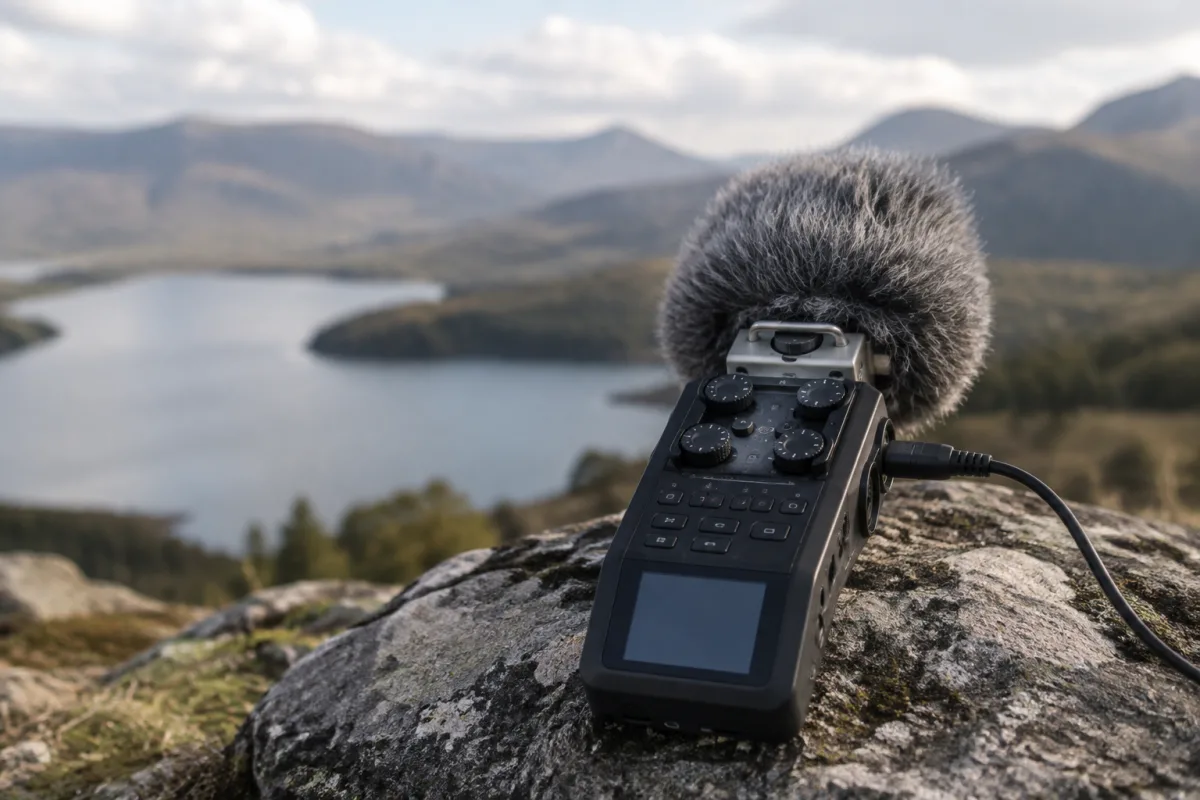
An audio Zoom recorder has become indispensable for musicians, podcasters, and field recording enthusiasts worldwide. Whether you're capturing live performances, recording interviews, or documenting acoustic environments, a Zoom audio recorder offers professional-quality recording in a compact, portable format. This guide explores the range of Zoom audio recorders available, their key features, and how to choose the right model for your recording needs.
What is a Zoom Audio Recorder?
Zoom audio recorders are digital recording devices engineered specifically for portable, high-quality audio capture. Unlike smartphone voice memos or computer-based recordings, a Zoom audio recorder features dedicated microphones, preamps, and converters optimised for professional results. A typical Zoom audio recorder records to SD cards in standard formats (WAV, MP3) that work with any audio software. The compact design of a Zoom audio recorder fits in a jacket pocket, making it ideal for location recording or live capture.
Professional studios, journalists, musicians on tour, and nature sound recordists rely on Zoom audio recorders for reliability and sound quality that far exceeds consumer electronics. A Zoom audio recorder represents a gateway to serious recording without the expense and complexity of full studio setups.
Zoom Audio Recorder Model Categories
Zoom produces several distinct lines of audio recorders:
- Zoom audio recorder handheld models (H-series) — classic compact recorders with built-in stereo microphones. These portable Zoom audio recorder models suit field recording, interviews, and live capture. The Zoom audio recorder H3-VR, H5, and H6 are popular choices.
- Zoom audio recorder digital piano models (F-series) — professional field recorders with advanced features like four channels, time code, and XLR inputs. These Zoom audio recorder units serve documentary filmmakers and location sound professionals.
- Zoom audio recorder pocket models — ultra-compact Zoom audio recorder devices like the Press Go, designed for journalists and on-the-go capture.
- Zoom audio recorder multi-track models (R-series) — larger Zoom audio recorder units offering integrated mixing and multi-track recording for musicians and producers.
Key Features of Zoom Audio Recorders
| Feature | What It Does |
|---|---|
| Built-in Microphones | All Zoom audio recorder models include stereo condensers. Quality varies; professional Zoom audio recorder units have superior capsules and shock mounts. |
| Input Options | Entry-level Zoom audio recorder models use 3.5mm inputs; professional Zoom audio recorder units offer XLR/1/4" balanced jacks. |
| Sample Rate & Bit Depth | Modern Zoom audio recorder devices record at 44.1kHz/16-bit (CD quality) up to 192kHz/32-bit. Higher specs suit professional mastering; standard Zoom audio recorder models offer 96kHz/24-bit. |
| Preamps & Gain | Quality preamps in a Zoom audio recorder determine how clean your recordings sound. Professional Zoom audio recorder models include robust, low-noise preamps. |
| Battery Life | Most Zoom audio recorder models run 10–20 hours on AA batteries or rechargeable packs. Battery performance depends on the Zoom audio recorder model and usage. |
Recording Quality with Zoom Audio Recorders
The microphones and preamps built into a Zoom audio recorder determine recording quality. Entry-level Zoom audio recorder models (like the H3) capture clear audio suitable for podcasts and voice notes. Mid-range Zoom audio recorder units (H5, H6) offer improved capsule quality and lower self-noise, ideal for music and field recording. Professional Zoom audio recorder devices (F-series) deliver studio-quality results even in challenging locations.
A critical advantage of using a Zoom audio recorder over smartphone recording is the dedicated preamp. A Zoom audio recorder preamp handles a wider dynamic range and resists distortion at high SPL levels. Acoustic guitars, live drums, and orchestral ensembles all benefit from the headroom of a quality Zoom audio recorder preamp.
Using an Audio Zoom Recorder in the Field
Setting up an audio Zoom recorder takes seconds. Power on the device, insert an SD card, select recording format, and press record. Many Zoom audio recorder users attach a small windscreen or shock mount to reduce handling noise and wind interference. A basic Zoom audio recorder setup requires just the recorder, microphone (built-in), SD card, and batteries.
Most Zoom audio recorder models feature headphone monitoring, allowing you to hear exactly what the recorder is capturing. This prevents the common problem of discovering bad audio only after leaving a location—a Zoom audio recorder's monitoring capability forces accuracy in real time.
Post-Recording Workflow with Zoom Audio Recorders
Audio files from a Zoom audio recorder transfer to a computer via USB. Standard WAV and MP3 formats from a Zoom audio recorder work with any audio software (Pro Tools, Audacity, GarageBand, etc.). Some professional Zoom audio recorder models record proprietary formats alongside standards, but the backup is always a universal format. This interoperability is a strength of Zoom audio recorder platforms—your recordings aren't locked into a proprietary ecosystem.
Edits and mixing recorded from a Zoom audio recorder often require minimal processing. The clean signal from a quality Zoom audio recorder preamp requires less compression, EQ, and de-noising than phone or computer microphone recordings, saving hours in post-production.
Comparing Zoom Audio Recorder Models
Budget-conscious users favour compact Zoom audio recorder models like the H3 for lightweight field work. Musicians recording live sets prefer the Zoom audio recorder H5 or H6 for mic inputs and superior preamp quality. Documentary and location sound professionals invest in Zoom audio recorder F-series units for four-channel recording, time code, and broadcast-standard specs. Your choice of Zoom audio recorder model depends on your primary use case and budget.
All Zoom audio recorder models share Zoom's reputation for reliability and user-friendly design. Whether selecting an entry-level Zoom audio recorder or a professional-grade unit, you're choosing proven, field-tested equipment backed by extensive documentation and a large user community.
Conclusion
An audio Zoom recorder represents the best investment for anyone serious about portable, high-quality sound capture. From podcast hosts to location sound professionals, Zoom audio recorder models deliver reliable, excellent results that justify their modest cost. With proper technique and an understanding of your chosen Zoom audio recorder's capabilities, you'll produce recordings that rival fixed studio setups. Whether you're just starting your recording journey or managing complex multi-channel capture, a Zoom audio recorder remains the industry standard for portable excellence.


Comments