


Mixer Rack Mount article
The Complete Guide to Mixer Rack Mount
Discover the advantages of mixer rack mounts in professional audio environments. Learn how to integrate rack-mounted mixing systems into your studio or live sound setup.
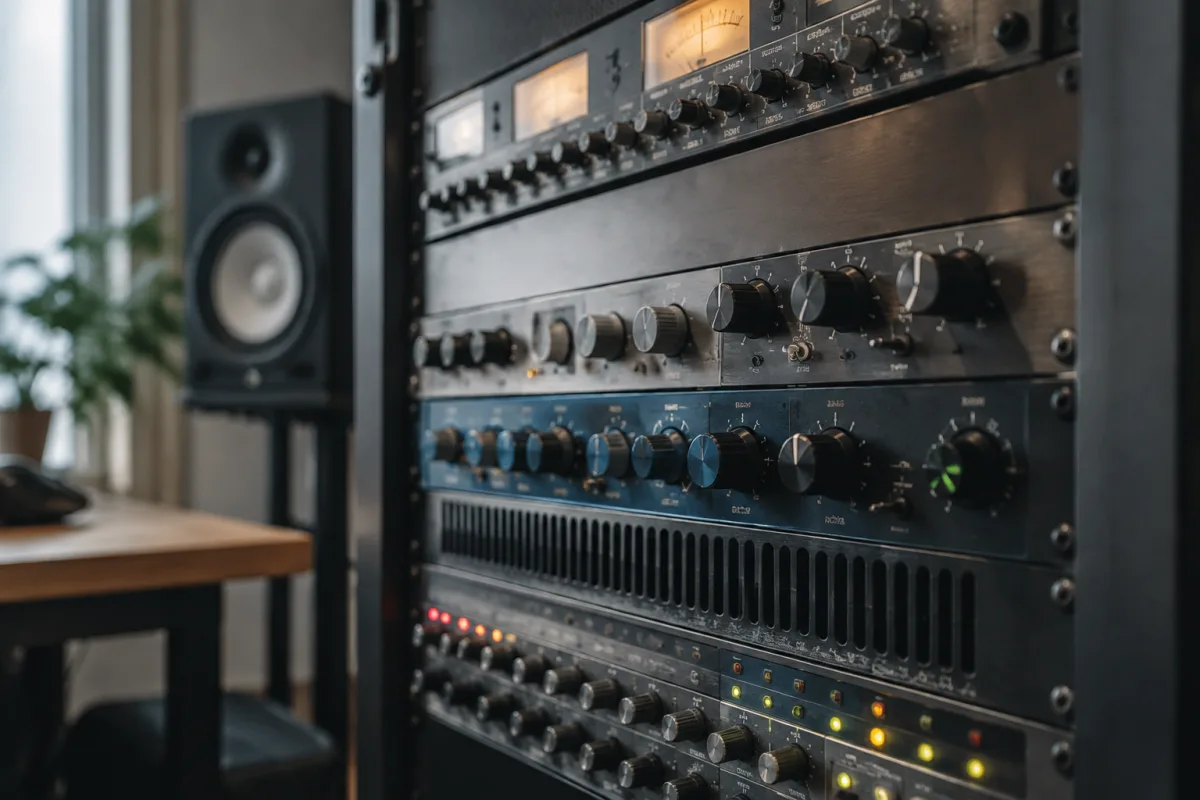
A mixer rack mount is an essential piece of equipment in any professional recording studio or live sound setup. Whether you're running a permanent studio, managing complex live events, or building a touring rig, understanding mixer rack mount options and configurations is crucial for optimal workflow and reliability.
Understanding Mixer Rack Mounts
A mixer rack mount refers to audio mixing equipment mounted in a standard 19-inch equipment rack rather than sitting on a desk or floor. Rack-mounted mixers integrate seamlessly into professional studio and live sound systems, saving valuable space whilst maintaining easy access to controls and connections. The mixer rack mount provides a professional, organised approach to audio signal routing and mixing.
Rack-mounted mixing solutions come in various configurations, from compact 2U units handling basic mixing duties to expansive multi-channel systems occupying several rack units of vertical space. Each mixer rack mount design addresses specific professional requirements and workflow preferences.
Types of Mixer Rack Mount Systems
Modern mixer rack mount solutions fall into several distinct categories, each suited to different applications and environments.
- Compact digital mixers (1-2U): Ideal for portable setups and smaller studios
- Full-featured analog mixers (2-4U): Classic workhorse solutions with tactile control
- Digital mixing control surfaces (1-3U): Control surfaces paired with separate processing modules
- Network audio interfaces (1-2U): Integration with Dante, Ravenna, or other networked audio protocols
- Hybrid systems: Combined analog and digital functionality in a single rack unit
- Modular rack systems: Expandable platforms allowing custom configuration
Advantages of Rack-Mounted Mixing
Choosing a mixer rack mount over traditional desktop alternatives offers significant professional advantages. The standardised 19-inch rack format ensures compatibility with other professional audio equipment, creating cohesive integrated systems. This standardisation simplifies cable management, signal flow documentation, and system maintenance.
Space efficiency represents perhaps the most tangible benefit. A mixer rack mount occupies minimal floor or desk space, crucial when studio real estate is limited or when managing complex multi-system installations. This vertical stacking capability means more equipment fits into tighter spaces.
Professional aesthetics matter in both recording and live environments. Rack-mounted configurations present a polished, organised appearance that impresses clients and colleagues. The streamlined look also facilitates quicker setup and teardown for touring rigs and mobile recording operations.
Cable Management with Rack Mounts
One of the most significant practical advantages of a mixer rack mount is superior cable management. Rear-mounted connectors position all audio and power connections out of sight, reducing visual clutter and minimising risk of accidental cable damage. Professional studios typically implement cable trays and management systems that complement rack installations, creating pathways for organised signal routing.
Proper cable management extends equipment lifespan, reduces troubleshooting time, and maintains signal integrity. Well-organised racks allow technicians to identify and address problems quickly, minimising downtime during critical sessions or live events.
Integration with Studio Workflow
A mixer rack mount forms the centrepiece of sophisticated signal routing and mixing workflows. When properly integrated with monitoring systems, outboard processing equipment, and interface units, the mixer coordinates complex audio environments effortlessly.
Patchbays mounted adjacent to the mixer rack mount provide flexible signal routing options. This setup allows engineers to create custom signal flows, route multiple mix buses to different destinations, and recall complex patching configurations reliably between sessions.
Choosing the Right Mixer Rack Mount
Selecting an appropriate mixer rack mount requires careful consideration of several factors:
| Factor | Considerations |
|---|---|
| Channel Count | How many simultaneous inputs do you need to mix? |
| Format Preference | Analog, digital, or hybrid mixing interface? |
| Processing Features | Built-in EQ, compression, effects, or external processing? |
| Protocol Support | Dante, AES/EBU, analog, or networked audio requirements? |
| Physical Space | Available rack units and equipment rack specifications? |
| Budget Parameters | Capital expenditure allowances and total cost of ownership? |
| Expandability | Future growth and modular expansion possibilities? |
| Reliability Requirements | Studio use versus touring and emergency redundancy needs? |
Maintenance and Longevity
Mixer rack mount equipment typically enjoys longer operational lifespans than desktop alternatives when properly maintained. Regular cleaning, adequate ventilation, and quality power conditioning protect expensive mixing investment. Professional installers ensure sufficient airflow around rack-mounted equipment, preventing thermal issues that compromise performance and reliability.
Documentation of rack layouts, patching configurations, and equipment serial numbers facilitates efficient maintenance and problem diagnosis. Many professional facilities maintain detailed equipment inventories alongside rack diagrams for rapid reference during technical issues.
A well-chosen mixer rack mount becomes the trusted heart of professional mixing operations, delivering years of reliable service when properly installed and maintained. Whether building a permanent studio, managing live sound operations, or assembling a portable touring rig, the mixer rack mount provides the professional foundation upon which quality audio production depends.


Comments