


Hercules Mic Stands Buying guide
Hercules Mic Stands: A Complete Buyer's Guide
Hercules mic stands have earned a reputation for rock-solid stability and longevity in professional studios and home setups alike. Knowing which model suits your needs ensures you get real value for your money.
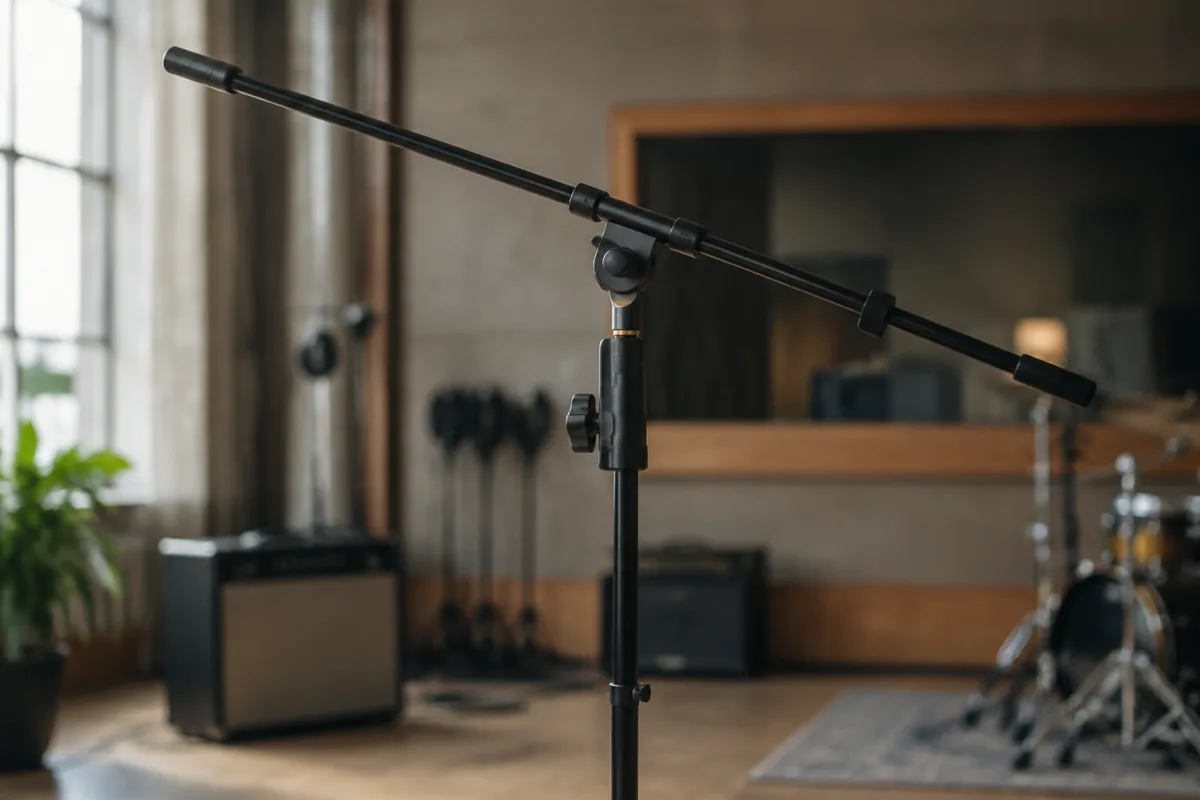
Hercules mic stands have earned a reputation for rock-solid stability and longevity in professional studios and home setups alike. If you're considering investing in a Hercules stand, you're on the right track—but knowing which model suits your needs and what to evaluate before purchasing ensures you get real value for your money.
Why Hercules Stands Are Worth Considering
Hercules specializes in microphone and instrument stands, and their designs prioritize stability above all. A quality mic stand doesn't just hold a microphone; it eliminates wobble, supports heavy microphones without drooping, and stays put during recording sessions. Hercules delivers on all these fronts, which is why studios invest in them.
Price Tiers and What You're Paying For
Hercules mic stands range from roughly £30 to £200+. Here's what each price bracket delivers:
| Price Range | Model Type | Best For | Key Characteristics |
|---|---|---|---|
| £30-60 | Standard straight stands or basic boom stands | Solo performers, podcasters, basic home recording | Solid base, adjustable height, reliable. Limited boom reach or weight capacity. |
| £60-120 | Professional boom stands with reinforced arms | Studios, live sound reinforcement, demanding sessions | Extended reach, better weight distribution, smoother adjustment mechanisms. |
| £120-200+ | Heavy-duty professional stands or specialty models | Broadcast studios, high-end recording, extreme-duty applications | Premium materials, maximum stability, specialized features like angle adjustment. |
Critical Specifications to Compare
When evaluating Hercules mic stands, these specs directly affect performance:
Base Design and Stability
The base is everything. Check these details:
- Tripod vs. round base: Tripod bases (three legs) offer the most stability and take up minimal floor space. Round bases are more compact but less stable with heavy mics.
- Base diameter: Larger bases provide better weight distribution. A stand with a 9-inch base is significantly more stable than one with a 6-inch base.
- Rubber feet vs. metal spikes: Rubber feet prevent floor damage and provide traction. Metal spikes dig into certain surfaces but work best on smooth studio flooring.
- Base weight: Heavier bases (2-3 kg) resist tipping better than light bases. Don't sacrifice base weight for portability if your stand stays in one place.
Boom Arm Construction
The boom arm is what actually holds your microphone:
- Arm length: Standard boom arms extend 60-80 cm from the base. Longer arms (up to 120 cm) reach over instruments or allow positioning from different angles, but they sacrifice stability with heavier mics.
- Arm thickness and material: Thicker, steel arms are stiffer and won't sag under weight. Thin or aluminium arms may droop slightly, affecting consistent mic positioning over long sessions.
- Counterweight system: Quality boom stands include an internal or external counterweight that balances the microphone weight. This prevents arm drift and reduces hand fatigue during adjustments.
- Reach vs. weight capacity: Longer boom arms typically have lower weight capacity. A stand with 120 cm reach may struggle with a 600g condenser microphone, while a shorter stand (60 cm) handles it easily.
Adjustment Mechanisms
How easily you adjust the stand matters during sessions:
- Locking mechanisms: Smooth, reliable locking keeps the stand at your set height. Cheap locks slip during sessions. Hercules stands use friction-based locks that hold well without being impossible to adjust.
- Height range: Most Hercules stands extend from roughly 60 cm to 200 cm. Verify the range matches your typical microphone height needs.
- Angle adjustment: Premium models allow boom arm angle adjustment (typically 0-90 degrees). This is valuable if you're miking instruments at odd angles or need the boom arm pointing downward.
- Clutch grip: A quality clutch holds the boom arm firmly without damaging cables that run along it. Cheap clutches either slip or damage cables.
Microphone Adapter Compatibility
The top of the stand is where your microphone connects:
- Standard 5/8-inch thread: Most Hercules stands use this industry-standard thread. Verify before buying if using specialty microphones.
- Integrated or removable clip: Built-in clips simplify setup. Removable clips (allowing replacement if damaged) are more flexible. Both work fine.
- Isolation system: Some Hercules stands include springs or isolation to reduce vibration transmission from the stand to the microphone. This is a nice feature but not essential unless your stand sits on a resonant surface.
Hercules Mic Stand Model Categories
Hercules produces several stand types. Choose based on your application:
Straight Stands
- Best for: Stationary setups where the microphone position doesn't change—vocals over a fixed position, podcasting from a desk.
- Advantages: Simplest design, lowest cost, excellent stability.
- Disadvantages: Limited positioning flexibility. If you need the mic repositioned frequently, a boom stand is better.
Boom Stands
- Best for: Studios where mics need positioning away from the stand base, live sound, theatre, positioning over instrument amps.
- Advantages: Extended reach, great flexibility, professional appearance.
- Disadvantages: Slightly heavier, requires more space, needs careful balancing with heavier microphones.
Desk Stands (Compact Boom)
- Best for: Desktop recording, streaming, podcasting from a desk where floor stands are impractical.
- Advantages: Compact, stable on desks, portable.
- Disadvantages: Limited height range, limited weight capacity compared to floor stands.
Common Buying Mistakes with Hercules Stands
Avoid these pitfalls when purchasing:
- Prioritizing length over weight capacity: A long boom stand sounds great until your 600g condenser mic causes sag. Match arm length to your typical microphone weight. For heavy condensers, choose shorter, stouter arms.
- Buying a stand that's too lightweight for your microphone: A £30 stand with a 1 kg condenser microphone is unstable. Always check weight ratings. Budget heavier stands if using heavy mics.
- Confusing different Hercules series: Hercules produces stands at different quality levels under different product lines. The cheapest Hercules stand isn't the same quality as their professional models. Read model numbers carefully.
- Not considering cable management: Some boom stands have cable routing built-in. If running XLR cables along the boom arm, this feature prevents tangles and cable strain.
- Ignoring floor surface compatibility: Metal spikes damage laminate or wooden studio floors. Rubber feet are essential if your studio isn't concrete or tile.
- Buying without checking reviews of that specific model: Even Hercules makes some weaker models. Read reviews of the exact stand you're considering, not just the brand in general.
- Saving money on the base: The base is where you shouldn't compromise. A £40 stand with a thin base is far less useful than a £60 stand with a solid, heavy base.
When to Upgrade vs. When to Buy Hercules
Hercules makes sense if:
- You're using heavy microphones (condensers weighing 500g+)
- Your setup requires long boom reach (over 80 cm)
- You need multi-stand setups and want consistency
- Studio aesthetics matter and you want a professional-looking stand
- You're recording in a space with a resonant floor where stand vibration matters
Budget stands might suffice if:
- You're using lightweight dynamic microphones (under 400g)
- Your recording space is small and doesn't require reach
- Setup is temporary or infrequently used
Testing Before You Buy (If Possible)
In-person testing is ideal if available:
- Mount your microphone on the stand
- Adjust the boom arm and check for smoothness and resistance
- Look for any wobble or drift when the stand settles
- Check that locking mechanisms hold your preferred height
- Verify cable routing if that's a concern
- Simulate a nudge to the stand to confirm stability
Longevity and Investment Value
Hercules stands are built to last. A quality Hercules mic stand purchased today will likely outlast most of your recording equipment. This makes them a sensible investment despite mid-range pricing. Unlike cheaper stands that degrade over 2-3 years, a Hercules stand remains reliable for a decade or more with basic care.
For comprehensive information on stand types, technical specifications, and comparisons of different Hercules models, visit the complete guide to Hercules mic stands. It covers everything from vintage Hercules stands to current offerings and the technical reasons behind design differences.
Making Your Purchase Decision
Choose a Hercules stand that matches your microphone weight, your positioning needs, and your space constraints. A stand that's slightly too robust is better than one that struggles. You'll use this stand for years; investing in the right one now eliminates frustration down the line.


Comments