


Presonus Audio Interface article
Presonus Audio Interface: A Complete Guide
PreSonus audio interfaces deliver professional-grade recording tools with thoughtful design and excellent value. From entry-level USB interfaces to professional Quantum systems, PreSonus equips home and pro studios alike.
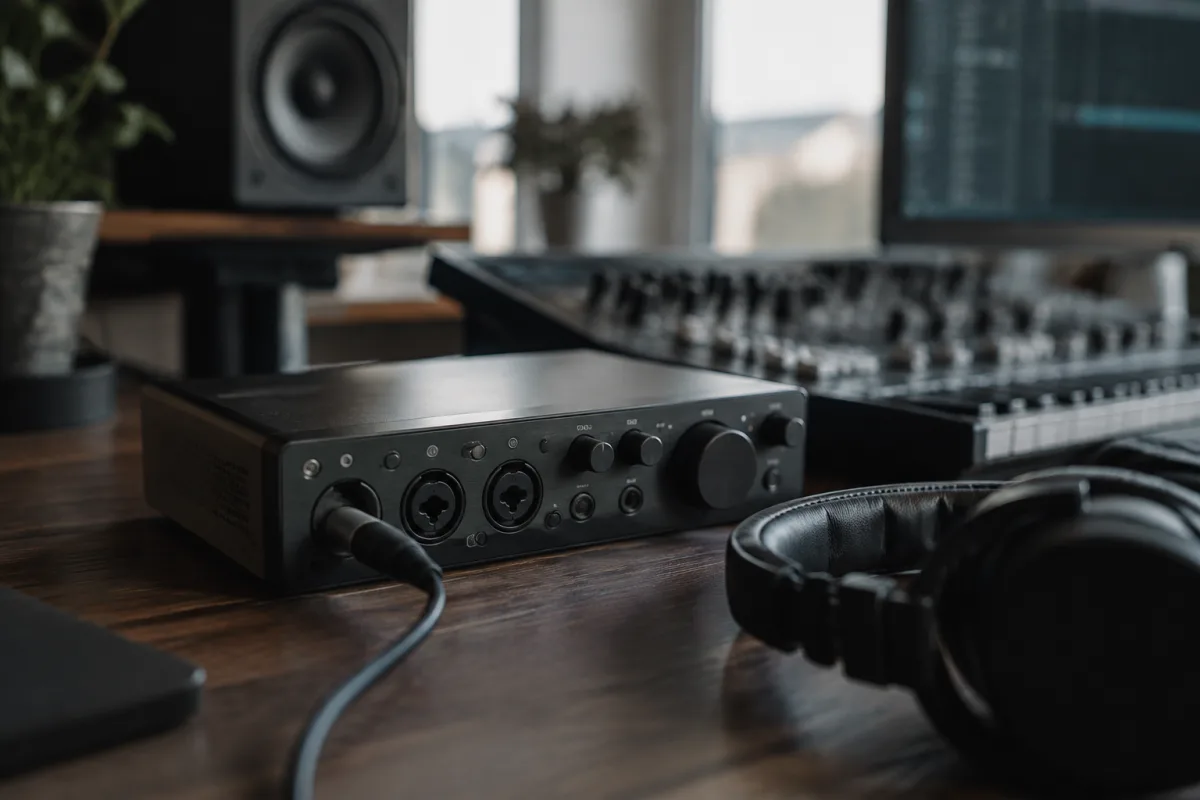
PreSonus audio interfaces have become synonymous with professional home recording, offering production-quality tools at accessible price points. Whether you're building your first home studio or upgrading from entry-level equipment, understanding what PreSonus brings to the table helps you make an informed investment.
PreSonus: Studio Technology Leader
Founded in 1997, PreSonus has built its reputation on designing intuitive, feature-rich recording interfaces backed by excellent customer support. The company's interfaces combine sturdy construction with genuine studio-quality sound, making them reliable workhorses in thousands of professional studios globally.
PreSonus audio interfaces stand out for their attention to workflow. Rather than simply cramming features, PreSonus designs their products around how musicians and engineers actually work. This philosophy translates into interfaces that feel natural to use, reducing frustration and accelerating creative momentum.
Key PreSonus Interface Models
The AudioBox series forms the entry point. AudioBox USB 96 offers basic functionality perfect for songwriters and producers learning the craft. It's compact, affordable, and capable of serious recordings despite its humble price tag.
The StudioLive AR series brings mixer functionality into audio interfaces. Unlike standard PreSonus products, these feature onboard mixing, effects, and recording capabilities. They're ideal for live streaming, podcasting, or home recording where hands-on control matters.
Higher-end Quantum series interfaces deliver professional studio performance. These offer exceptional preamp quality, low latency, and sophisticated monitoring options. Professional studios and touring musicians often choose Quantum interfaces for their reliability and pristine sound capture.
Sound Quality and Specifications
Audio quality in PreSonus products reflects careful component selection and circuit design. Premium converters ensure accurate audio capture at 24-bit resolution and sample rates up to 192kHz. This technical foundation delivers transparent sound reproduction without colouration or distortion.
PreSonus preamps are particularly well-regarded. The company uses high-quality microphone preamplifiers across their range, ensuring captured vocals and instruments translate clearly through to playback. This attention to preamp design distinguishes PreSonus from competitors focusing purely on connectivity.
Built-in monitoring capabilities allow zero-latency playback whilst recording. Musicians hear themselves without the delay that creates frustration during performance. This feature separates PreSonus products from cheaper interfaces where latency makes real-time recording impractical.
Connectivity and Integration
Modern PreSonus audio interfaces offer comprehensive connectivity. USB-C connections provide high-speed data transfer and power delivery. Some models include ADAT optical connections for expanding channel count. Analogue inputs and outputs support professional studio equipment integration.
Software integration distinguishes PreSonus offerings. Many interfaces bundle Studio One Artist, a capable DAW that reduces total investment. PreSonus also integrates closely with their Quantum Leap sample library, offering immediate access to professional-quality sounds.
Studio One Integration
PreSonus manufactures both interfaces and Studio One DAW, allowing seamless integration. Control surfaces paired with PreSonus audio interfaces offer hardware mixing advantages without requiring separate control surfaces. This ecosystem approach simplifies workflow and reduces cable clutter.
Studio One Artist, bundled with many PreSonus products, represents a complete solution for songwriting and recording. Whilst not as feature-loaded as premium DAW alternatives, it provides professional-quality tools for serious music production at minimal additional cost.
Price and Value Proposition
PreSonus audio interface pricing ranges from £150 for basic models to £1,000+ for professional Quantum interfaces. This range ensures options for budget-conscious bedroom producers and established studios alike. The value proposition remains consistent: quality sound and thoughtful design at competitive pricing.
Compared to competitors like Focusrite and MOTU, PreSonus often delivers more functionality at similar price points. Particularly in the mid-range, PreSonus audio interface options provide exceptional value for serious musicians and producers.
Professional Recognition
PreSonus products appear in Grammy-winning studios worldwide, validating their technical capabilities. Music producers across genres—from folk singer-songwriters to electronic music professionals—trust PreSonus audio interfaces for critical recording work.
The company's commitment to firmware updates and long-term support gives users confidence in their investment. Unlike some manufacturers, PreSonus continues supporting legacy products years after release, ensuring your interface remains functional and current.
Conclusion
A PreSonus audio interface represents a smart investment for serious musicians and producers. The combination of sound quality, thoughtful design, software integration, and competitive pricing makes PreSonus audio interfaces compelling choices across budget levels. Whether you're recording your first demo or capturing professional studio sessions, PreSonus delivers the tools to translate your musical ideas into polished, professional recordings.



Comments