


Pirate Studio roundup
The Best Pirate Studios for the Money
The best value isn't the cheapest room, it's the right room at the right time. Here's how to actually get more for your money.

"Best Pirate Studios for the money" doesn't mean the cheapest room on the list — it means matching what you actually need against what you're actually paying, and not overspending on features that won't change your session. There's no single winning Pirate Studios location, because the network runs on dynamic pricing and varying room specs. What follows is how to think about value properly, category by category.
The Single Biggest Lever: When You Book
Before comparing anything else about Pirate Studios, understand this: the same room, on the same day, can cost noticeably different amounts depending on the time band you book into — typically off-peak, standard, peak and super-peak. If your schedule has any flexibility at all, checking off-peak slots first will usually do more for your budget than any other decision on this list. Evening and weekend peak slots are convenient, but you're paying a premium for that convenience.
Best Value for a Full Band Rehearsal
For band practice, value comes down to one thing: does the room already have what you'd otherwise need to buy or hire? A rehearsal room with a drum kit, amplification and a PA system already installed is worth more, pound for pound, than a slightly cheaper room that leaves your drummer without a kit to play. Check the equipment list before comparing prices — the cheapest room on paper isn't cheap at all if you end up hiring extra gear to fill the gaps.
Best Value for Solo Recording and Production
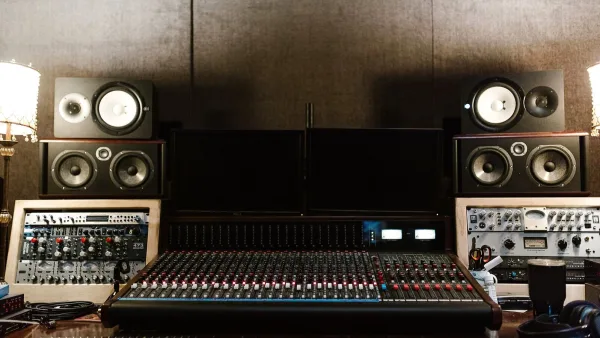
If you're recording alone, focus on what the room actually gives you access to rather than the room's size or décor. A space with a proper audio interface, a decent condenser microphone and studio monitors already wired up saves you from either buying that gear yourself or working around its absence. If a computer with a digital audio workstation installed is included, that's worth real money compared with a bare room where you're expected to bring your own laptop and software.
Best Value for DJ Practice
Here, value is mostly about matching the booth to your actual software and hardware habits. A brilliant mixer is wasted money if it isn't compatible with the software you already use, so check deck configuration, mixer model and software compatibility before booking on price alone. If you're serious about practising for gigs, monitor quality matters more than booth size — you're training your ears, not filling a room.
Best Value for Podcasters and Creators
Where a dedicated Pirate Studios creator room is available, it's usually a smart pick over adapting a music-focused room to spoken-word recording. Broadcast-style microphones and simpler, more forgiving setups tend to suit podcasting far better than a room built around a band, and you're less likely to pay for capability you won't use, like multiple instrument inputs.
Getting More Out of OpenLIVE
If you need content from a rehearsal anyway — for socials, a demo, or just reviewing your own playing — switching on OpenLIVE in a compatible room can be genuinely better value than paying separately for a videographer or a dedicated recording session afterwards. It won't replace a properly engineered recording, but for the price, it's hard to beat as a bonus rather than a separate cost.
Where Not to Overspend
A few things rarely justify paying extra:
- A flashier-looking room with no better equipment than a plainer one nearby.
- Peak-time convenience for a session where the exact time genuinely doesn't matter.
- A far more expensive location purely for its postcode, when a nearby alternative has near-identical gear.
Spend on the things that actually change your session — the right equipment for your specific use, and a time slot that suits your budget — rather than on convenience or appearance.
A Quick Value Checklist by Use Case
| What you're doing | Best room type | What to check first |
|---|---|---|
| Full band rehearsal | Rehearsal room | Drum kit and amp brands already included |
| Solo demo or production | Recording room | Interface, monitors, mic and DAW availability |
| DJ set practice | DJ room | Deck/mixer model and software compatibility |
| Podcast or spoken word | Creator room | Microphone type and simplicity of setup |
Whichever row matches your session, run through it before you even look at the Pirate Studios price list — knowing what you actually need makes every subsequent comparison faster and far less likely to end in a wasted booking.
Comparing Your Options Properly
If you're not yet sure exactly what you're comparing, our complete buyer's guide covers everything worth checking before you book, and our full overview explains how the whole system fits together. First-timers should start with our beginner's guide instead, which walks through an actual first booking.
The Bottom Line
Real value at Pirate Studios comes from matching room type and equipment to your actual session, then booking into the cheapest time band that still fits your schedule. Do those two things properly and you'll consistently get more for your money than anyone chasing a single "best" location ever will.




Comments