


Pirate Studio article
Pirate Studio for Beginners: A Complete Guide
No receptionist, no keyholder waiting for you. Here's exactly how to book, access and enjoy your first Pirate Studios session, step by step.

If the idea of turning up to an empty studio, letting yourself in with a code, and having no one there to ask questions makes you a little nervous, that's completely understandable. Most of us are used to a studio meaning a person behind a desk. Pirate Studios works quite differently, and once you know the shape of it, that difference stops being intimidating and starts being genuinely convenient. Let's walk through it together, one step at a time.
What Makes This Different From a Normal Studio
At Pirate Studios, there's no receptionist, no keyholder waiting for you, and no engineer sitting behind the desk unless you've specifically arranged one. You book a room online, you're sent instructions for getting in, and the room itself is already stocked with the equipment listed for that booking. It sounds like a lot to manage alone, but the Pirate Studios process is more straightforward than it looks, and thousands of first-timers work through exactly the same steps every week.
Booking Your First Session, Step by Step
Here's the process in full, so nothing catches you by surprise on the day.
- Choose your city and studio type. Decide whether you need a rehearsal room, a DJ room, a recording room or a podcast room, based on what you're actually planning to do.
- Pick a specific room and time slot online. Take your time here rather than booking the very first option you see.
- Check what equipment is included. Read the room's listing properly, since kit varies from room to room and site to site.
- Decide whether you want OpenLIVE switched on. If the room supports it, you'll be asked whether to record your session automatically.
- Arrive and follow your access instructions. You'll be sent everything you need to let yourself in, so keep that message somewhere easy to find on the day.
- Use the room, then leave when your time is up. Pack away anything you've moved and vacate on time, just as you'd want the person after you to do.
Read back through that list once before your first booking, and it'll feel far more familiar by the time you're actually stood outside the door.
What to Expect Once You're Inside
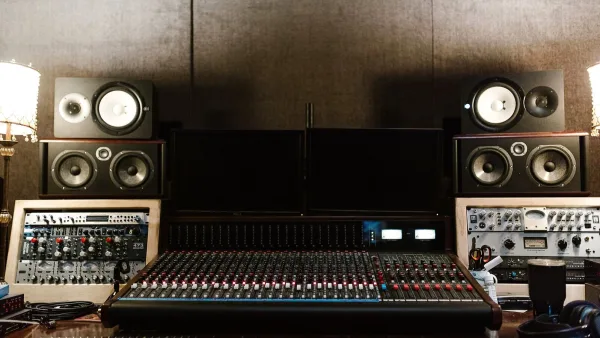
A rehearsal room typically comes with a drum kit, amps for guitar and bass, a PA and some microphones already set up. A recording room usually has an audio interface, studio monitors and a microphone ready to go, sometimes with a computer included too. None of this is guaranteed to be identical at every Pirate Studios location, so the listing you booked is genuinely worth a proper read beforehand, not just a glance at the price.
You Don't Need to Own Any of This Yourself
One of the kindest things about the Pirate Studios model for a beginner is that you don't need your own drum kit, your own interface or your own monitors before you can start. That's the whole point. You're borrowing professional-feeling equipment by the hour instead of saving up to buy it outright, which makes it a genuinely gentle way to try out a type of session you've never done before.
If Something Doesn't Work
Because Pirate Studios runs self-service, there's usually no one to fetch on the spot if a lead is faulty or the access code won't scan. Most locations provide a help contact for exactly this situation, so it's worth finding that number or link before your session rather than searching for it in a panic once you're standing outside. It happens occasionally, and it's not a sign you've done anything wrong.
A Gentle First-Session Plan
For your very first booking, keep it short and low-pressure. An hour is plenty to get comfortable with the access process, find your way around the room and test the equipment without feeling rushed. You can always book a longer, more ambitious session once the process itself feels familiar rather than new.
Ready to Book?
Once you've got a session or two under your belt, our complete buyer's guide covers what to check more closely before you book, and our piece on getting the best value for your money is worth reading before your next few sessions. For the fuller picture of how everything fits together, our complete overview is a good next stop.
The Bottom Line
With Pirate Studios, the lack of a person behind a desk is the biggest adjustment for most newcomers, and it's a smaller one than it feels beforehand. Follow the booking steps in order, read your room's listing properly, and keep your first session short. Everything after that gets easier the second time round.





Comments