


Neumann Studio Speakers Buying guide
Neumann Studio Speakers: A Complete Buyer's Guide
Learn what makes Neumann studio speakers special, evaluate whether they justify premium pricing, and make an informed purchase decision.
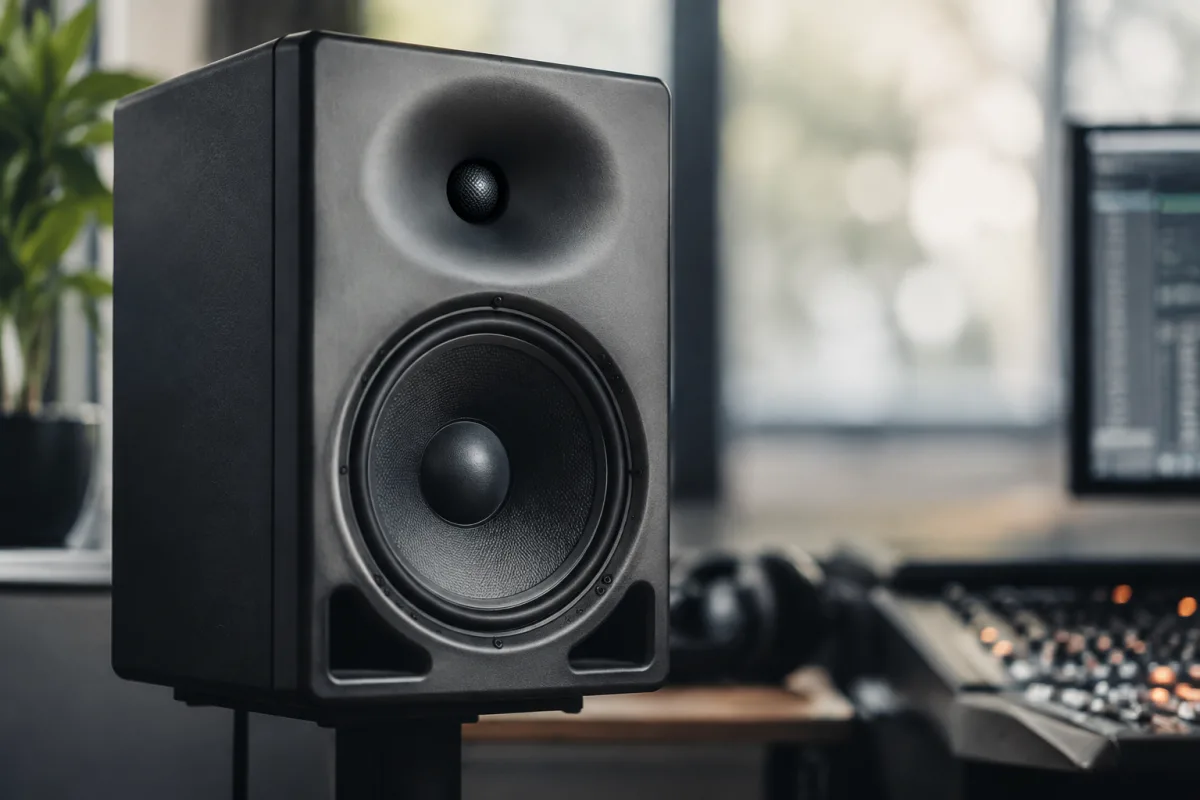
Neumann studio speakers represent the premium end of professional audio monitoring. The German manufacturer's reputation—built over seven decades—carries weight in studios and mastering suites worldwide. Yet this prestige comes with premium pricing: Neumann studio monitors cost significantly more than equally capable alternatives. Before committing to Neumann speakers, you need clarity about what you're paying for, whether their performance justifies the cost for your needs, what specifications genuinely matter, and how to evaluate them properly. This guide addresses these questions with honesty and practical insight.
Understanding Neumann's Market Position
Neumann is not the affordable option. Their studio speakers cost roughly 20–40% more than comparable speakers from companies like ADAM, Genelec, or Focal. This premium isn't arbitrary; Neumann's engineering, build quality, and sound character have earned their position through decades of professional results. Yet price premium doesn't always equal objectively better sound—it often reflects brand heritage, build philosophy, and target market expectations.
Neumann monitors are engineered for critical listening in mastering and reference-grade environments. They prioritise accuracy and honesty over excitement or flattery. If your work demands absolute fidelity and you've experienced Neumann monitors in professional environments, their premium makes sense. If you're buying based on brand prestige alone, reconsider.
Core Speaker Specifications Explained
Woofer and tweeter sizes: Neumann offers various configurations—typically 5-inch, 6.5-inch, and 8-inch woofers paired with 1-inch soft-dome tweeters. Larger woofers handle bass extension better; smaller woofers suit smaller rooms where bass buildup is problematic. Tweeter quality affects high-frequency accuracy. Neumann's tweeter designs are refined across their range.
Frequency response: Specification details matter. Neumann typically publishes frequency response as flat down to 40Hz or lower. This specification means the speaker maintains consistent output across this range. Flatter response is preferable for mixing and mastering; coloured response suits casual listening.
Maximum SPL (Sound Pressure Level): How loud the speakers can go without distortion. Professional monitors typically handle 105–110 dB SPL. Higher SPL capability matters for mix engineers working in larger rooms; casual users rarely need extreme loudness.
Acoustic design: Neumann uses waveguide technology and front-ported designs minimizing room-mode interactions. These design choices affect how the monitors behave in different room acoustics. Understanding your room matters more than tweaking specs.
Amplification quality: Neumann monitors use high-quality class-D amplifiers designed for accuracy and stability. Amplifier quality, like speaker quality, directly affects how truthfully the monitor represents the source material.
Neumann Monitor Models and Tiers
Neumann's studio speaker range includes several models across different size and price points. Entry-level models (£2500–£4000) deliver Neumann quality in compact packages. Mid-range models (£4000–£7000) handle larger rooms and offer greater bass extension. Professional flagship models (£7000+) are designed for mastering suites and critical listening environments.
Model selection depends on room size, mixing priorities, and budget. Smaller rooms benefit from smaller monitors; larger rooms justify larger woofers. Professional mixing suites often pair multiple monitor sizes for different perspectives.
Price Tiers and What You're Paying For
Neumann entry models (£2500–£4000): These deliver Neumann sound character and build quality at lower cost. They suit home studios and smaller professional facilities. Performance is genuinely professional-grade; you're not compromising on quality.
Mid-range models (£4000–£7000): This range represents capability and versatility. Most professional studios operate here. You're getting larger drivers, greater headroom, and refined engineering.
Flagship models (£7000+): Mastering-grade monitors with exceptional accuracy, build quality, and tonal transparency. Most owners are professional mastering engineers whose work justifies investment. For mixing rather than mastering, the gap between mid-range and flagship is marginal.
Comparative pricing: A Neumann monitor costing £4000 competes sonically with ADAM or Focal monitors costing £2800–£3200. The 25–40% premium reflects Neumann heritage, build quality, and design philosophy—factors that matter more to some buyers than others.
What to Inspect Before Purchasing
Physical build quality: Neumann monitors are substantial, well-built instruments. Inspect the cabinet for cracks or delamination. Feel the weight—flimsy construction indicates cost-cutting. Grilles should be secure; drivers should sit perfectly.
Speaker driver condition: Examine woofers and tweeters for dust, tears, or visible damage. Dust is cosmetic; tears are defects. Drivers are expensive to replace; inspect carefully.
Connectivity integrity: Check XLR connectors, power supplies, and cables for corrosion or damage. Test all connectors if possible. Connection quality directly affects signal integrity.
Acoustic performance in your room: This is the most important inspection. Listen to reference recordings through the monitors. Do they sound balanced across frequencies? Is bass present without booming? Are vocals clear and detailed? Do these qualities match Neumann's reputation? Trust your ears over specifications.
Frequency response consistency: Play test tracks across a frequency range. Bass should feel present; mids should be clear; highs should be detailed without harshness. If any frequency range sounds weak or excessive, the monitors may be poorly positioned or defective.
Power and responsiveness: Play dynamic material. The monitors should respond instantly to changes. Sluggish response indicates amplifier problems or connectivity issues. Responsiveness is essential for accurate mixing.
Noise floor and hum: In a quiet room with no signal, listen for electrical hum or noise. Neumann monitors should have virtually silent backgrounds. Audible hum indicates grounding or power supply problems.
Common Buying Pitfalls
Buying primarily for brand prestige. Neumann's reputation is deserved, but prestige doesn't change how your mixes translate. Mixes done on capable non-Neumann monitors translate well if those monitors are properly calibrated. Don't buy Neumann for bragging rights.
Underestimating room acoustics impact. The best monitors in an untreated room sound terrible. Conversely, modest monitors in a well-treated room sound professional. Before upgrading monitors, invest in acoustic treatment. You'll get more benefit than from new speakers alone.
Assuming larger monitors are always better. Room size matters. Oversized monitors in small rooms cause bass buildup and poor acoustic response. Match monitor size to room size. Neumann's range includes options for different room volumes.
Comparing Neumann to budget monitors solely on price. Budget monitors at £500–£1000 offer impressive performance for hobbyists. But they're not equivalent to Neumann monitors at five times the price. Transparency, accuracy, and refined engineering aren't available at budget prices. Understand you're paying for professional-grade performance.
Neglecting room acoustics treatment alongside monitor purchase. New expensive monitors won't fix acoustic problems. Bass traps, absorption panels, and diffusion are essential if you're mixing critically. Budget for acoustic treatment alongside monitor purchase.
New Versus Used: Value Considerations
Used Neumann monitors hold value well. A five-year-old model costs 30–40% less than new whilst performing identically. Used purchases make sense if you inspect carefully and understand the seller's history. Professional studio gear used in proper conditions lasts decades.
New monitors come with warranty coverage and assurance of proper storage. For a £4000–£5000 purchase, warranty peace of mind may justify the premium. Used monitors suit budget-conscious buyers confident in evaluation.
Buy new for warranty and certainty; buy used for value. Either way, you're acquiring professional-grade monitors that will serve your mixing for years.
Alternatives Worth Considering
ADAM Audio, Genelec, Focal, and Dynaudio manufacture professional monitors rivalling Neumann in performance at lower prices. Listening comparisons are essential. Some ears prefer ADAM's brightness; others favour Genelec's accuracy. Neumann's sound character is slightly warmer than Genelec but more neutral than typical budget monitors.
If Neumann pricing feels constraining, audition alternatives before deciding. Equivalent performance from another brand might satisfy your requirements at lower cost.
Integration Into Your Studio Setup
Before purchasing, ensure your studio supports professional monitors. Do you have acoustic treatment? Proper speaker stands positioned correctly? An audio interface with balanced XLR outputs? Treating these fundamentals matters as much as the monitors themselves. Professional mixing requires professional foundations.
Also consider room acoustics. Your room's acoustic characteristics (size, shape, materials) affect how monitors sound. Understanding your room and treating it properly maximises any monitors' performance.
Making Your Decision
Neumann studio speakers represent professional-grade performance backed by seven decades of engineering reputation. Whether they're right for your needs depends on your mixing demands, budget, room circumstances, and aesthetic preferences. If you've worked on Neumann monitors in professional environments and loved the results, purchasing them for your studio makes sense. If you're buying based on brand prestige alone, reconsider.
Audition monitors in your space if possible. Listen to reference recordings. Evaluate how your mixes translate through different monitor systems. Make an informed decision, not an aspirational one. The best monitors are the ones you trust and use regularly.
Further Exploration
For detailed information covering Neumann monitor models, advanced acoustic principles, mixing techniques on professional monitors, and maintenance strategies, consult The Complete Guide to Neumann Studio Speakers.
Conclusion
Investing in Neumann studio speakers is an investment in professional audio production. These monitors deliver accuracy, reliability, and sound quality that rewards mixing and mastering work. If your mixing demands justify the investment and you've auditioned them properly, Neumann monitors become studio partners you'll appreciate for years. Buy thoughtfully, set up properly, and you'll understand why professional studios worldwide rely on Neumann for their most critical listening.



Comments