


Neumann Studio Monitors Buying guide
Neumann Studio Monitors: A Complete Buyer's Guide
A practical guide to selecting Neumann studio monitors—covering the KH range, matching monitors to your room, acoustic treatment needs, and avoiding common buyer mistakes.
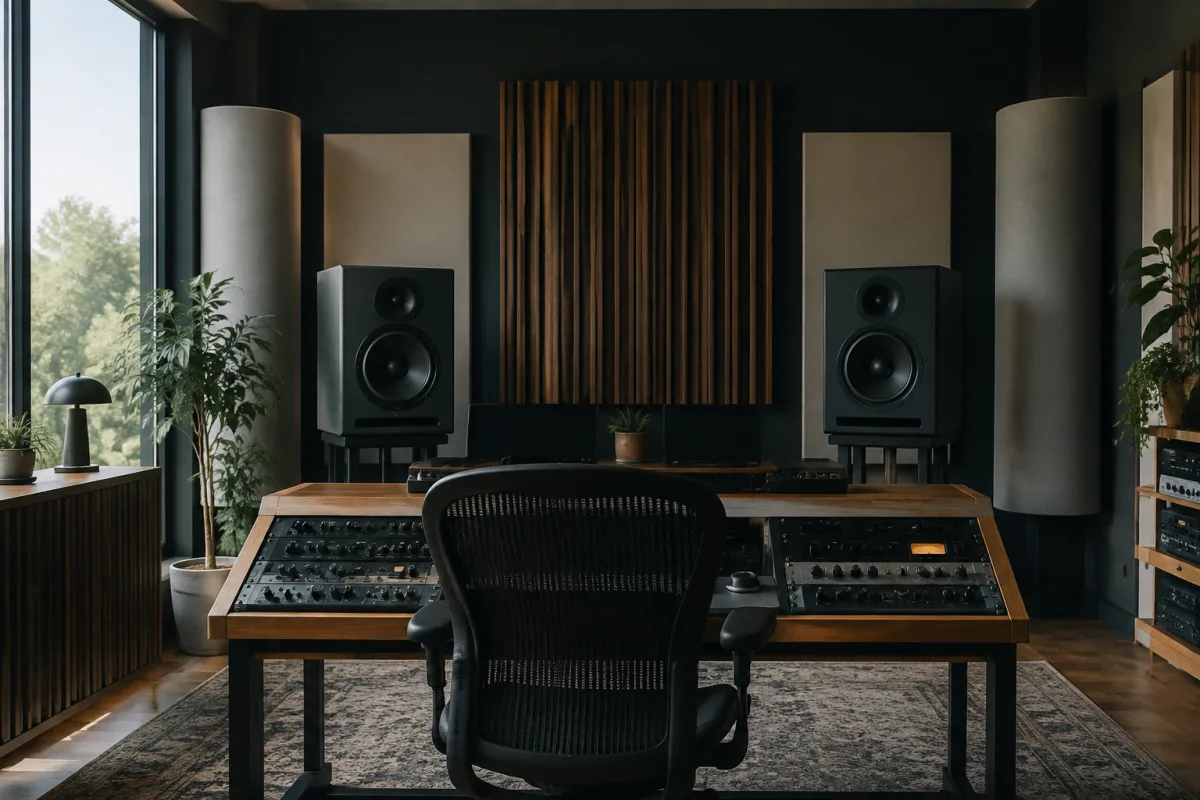
Neumann studio monitors are the reference standard in professional mastering and mixing suites. Their reputation rests on transparent, accurate sound that reveals every detail—which is exactly what you need to make decisions about your mix. Choosing the right Neumann monitor for your space and budget requires understanding what their models deliver and where they fit in your studio.
What Makes Neumann Monitors Special
Neumann studio monitors are engineered to be truthful: they show you your mix exactly as it is, without flattery or colouration. This is the opposite of consumer speakers, which colour the sound to make it "exciting". Neumann monitors are less exciting, but infinitely more useful for critical listening and mixing. If your mix sounds good on Neumann monitors, it will translate well across all playback systems. This translation is the ultimate goal of professional monitoring.
Neumann's reputation comes from decades of microphone engineering—they understand acoustic truth obsessively. That expertise shaped their monitor line, which now serves professional studios, broadcast facilities, and mastering rooms worldwide.
Understanding Neumann's Monitor Range
The KH Line (Large Format)
The KH series represents Neumann's flagship monitors—models like the KH120A, KH150, and KH310 deliver reference-grade accuracy in larger cabinets. These suits professional mastering facilities and large control rooms where space is abundant. Prices range from £800 (single monitor, KH120A) to £3000+ per pair. They're overkill for most bedroom studios, but for serious mixing or mastering work, they're industry standard.
The KH Series Compact (Midrange)
Smaller KH models—such as compact variants—balance accuracy with practical size. They fit home studios and smaller professional rooms without dominating the space. Prices typically fall in the £500–1500 range. These deliver genuine Neumann accuracy without the larger footprint or premium price tag of flagship models.
Professional vs. Project Studio Setups
Neumann assumes professional installation: treated acoustics, proper room ratio, isolated placement. A Neumann monitor in an untreated bedroom will sound excellent but won't perform at its potential. If you're serious about investing in Neumann monitors, budget for basic room treatment (bass traps, absorption panels) to unlock their accuracy.
Key Specs That Matter
Frequency Response and Accuracy
Neumann monitors are known for flat, extended frequency response—typically 50 Hz to 20,000 Hz, sometimes lower. This means they reproduce bass, midrange, and treble with equal neutrality. However, "flat" only matters if you're listening in a treated room. In a room with acoustic issues, even Neumann monitors reveal those problems rather than hide them. This is actually valuable—it tells you what needs fixing—but it's not what untrained ears expect.
Cabinet Design and Port Placement
Neumann monitors come in different cabinet designs: sealed, ported, and hybrid. Each has acoustical trade-offs. Sealed designs are more forgiving in small rooms but need more amplifier power. Ported designs extend bass response but are more room-dependent. Ask yourself: how large is my control room, and how much bass extension do I actually need? Neumann's specs tell you, but listening in your space matters more than numbers.
Amplification (Active vs. Passive)
All modern Neumann studio monitors are active—they include built-in amplifiers. This simplifies your setup: connect an audio cable from your audio interface directly to the monitors. No need for a separate power amplifier. Neumann's built-in amps are professional-grade, so you're not losing anything to cost-cutting.
Common Pitfalls When Buying Neumann Monitors
First, assuming bigger always equals better. A KH150 in a small bedroom doesn't sound better than a KH120A; it sounds boomy and overwhelming. Match monitor size to your room dimensions and listening distance. Ask Neumann's sales or consult acoustic design guidelines for your space.
Second, forgetting that monitors reveal room problems. If your studio is untreated—bare walls, hard floor, no absorption—Neumann monitors will sound harsh and echo-laden. This isn't the monitors' fault; it's the room's. Budget for basic treatment (foam panels, bass traps, a rug) alongside your monitor purchase. Your total investment rises, but your listening environment becomes truly professional.
Third, buying near-field monitors when mid-field would suit you better. Near-field monitors (smaller, meant for close listening) are common in project studios. Mid-field monitors (slightly larger, mean for 3–4 metres away) work better in properly treated rooms. Understand your listening distance and room size before choosing.
Neumann Monitor Budget Tiers
| Budget | Typical Models | Best For |
|---|---|---|
| £800–1200/pair | KH120A and compact variants | Project studios, home mixing |
| £1500–2500/pair | KH150 and mid-range models | Professional mixing rooms |
| £3000+/pair | KH310, flagship series | Mastering facilities, large control rooms |
Alternatives to Neumann: When They Make Sense
Neumann is genuinely the professional standard, but alternatives exist. Genelec (Finnish brand, similar ethos), PMC (British, warmer balance), and Focal offer professional monitors at various prices. For mastering and critical reference work, Neumann is often the choice. For mixing in smaller spaces, alternatives offer equal quality at lower cost. Test-listen before committing—your ears and room matter more than brand names.
Your Path to Neumann Monitors
Start by determining your budget and room size. Read professional monitor reviews comparing models in your price range. If possible, audition monitors at a dealer or trusted studio. Listen to mixes you know well on different models and trust your ears. Once you've chosen, invest equally in basic room treatment. Monitors and room acoustics are inseparable; skimp on either and you've wasted the other.
For a complete exploration of studio monitoring and acoustic design, read our complete guide to Neumann studio monitors.
Conclusion
Buying Neumann studio monitors means committing to accurate, honest listening. Choose a model that matches your room size and listening distance. Budget for room treatment to unlock their potential. Neumann monitors reveal truth—not beauty, but professional clarity. With proper room acoustics and careful listening, Neumann monitors become an indispensable tool for serious mixing and mastering work.


Comments