


JBL Studio Monitors article
Jbl Studio Monitors for Beginners: A Complete Guide
JBL studio monitors might seem intimidating when you're first building a home recording setup. This beginner's guide walks you through using them confidently and developing your ears for mixing.
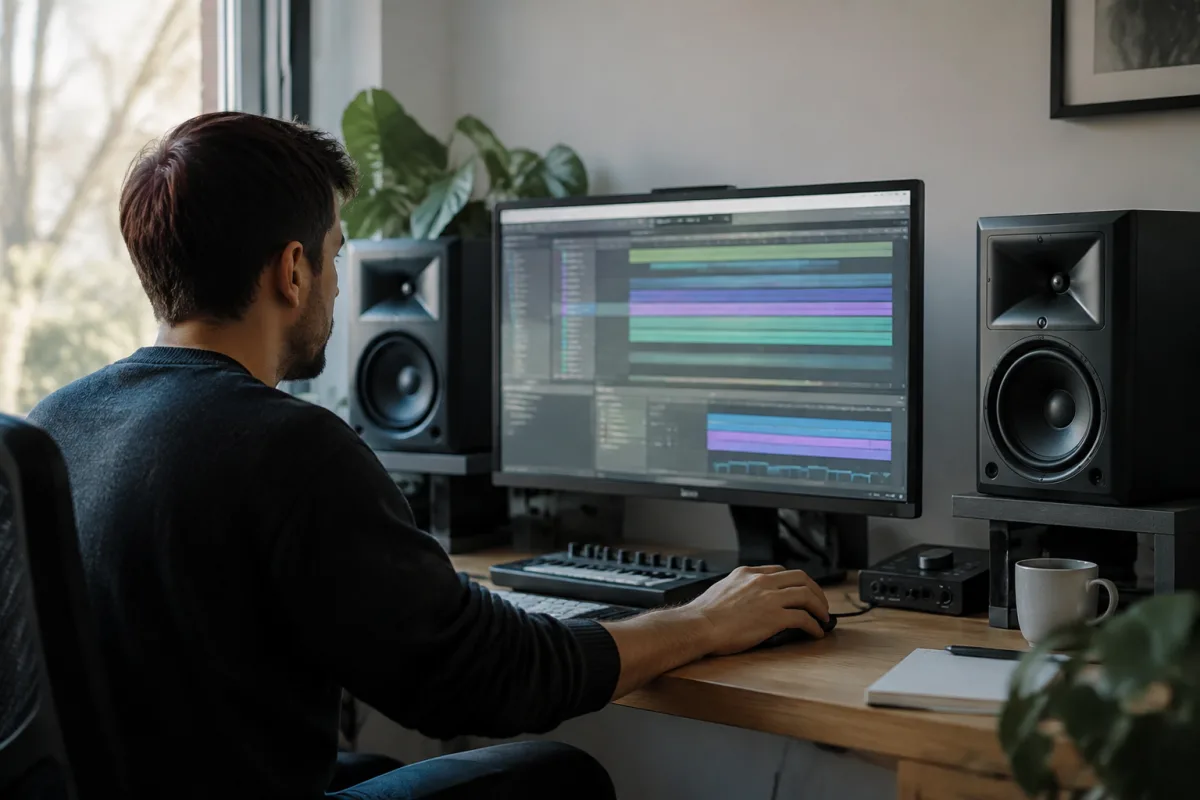
JBL studio monitors might seem intimidating when you're first building a home recording setup, but they're simply speakers designed for accurate sound reproduction rather than entertainment. If you're considering JBL studio monitors for your first quality monitoring solution, you might feel uncertain about setup, room treatment, and whether they'll genuinely improve your mixes. This beginner's guide walks you through using JBL studio monitors confidently, from unboxing through establishing your monitoring environment and developing your ears for mixing decisions.
Why JBL Studio Monitors Matter for Beginners
Your mixing decisions depend entirely on honest monitoring. Standard consumer speakers colour the audio intentionally—boosting bass for entertainment, brightening midrange for clarity, creating a flattering experience. JBL studio monitors pursue the opposite goal: reproducing audio truthfully so your mixing decisions translate correctly to other playback systems. As a beginner, this transparency is invaluable. Every choice you make on proper JBL studio monitors applies reliably to how your music sounds everywhere else.
Many beginning engineers worry that quality JBL studio monitors will reveal flaws in their recordings, making the experience uncomfortable. Actually, accurate monitoring from JBL studio monitors builds confidence because you understand exactly what your mixes contain rather than guessing based on coloured feedback.
The Essential Truth About JBL Studio Monitors and Room Acoustics
Here's the fundamental insight that changes everything: your room matters more than your JBL studio monitors themselves. Premium JBL studio monitors in an untreated room with hard reflective surfaces sound worse than modest monitors in a treated space. Before investing significantly in JBL studio monitors, prepare your physical space. Soft furnishings, curtains, shelving, and strategic absorption panels transform how monitors sound. Beginners often reverse this priority—buying expensive JBL studio monitors then wondering why they don't work well in harsh-sounding rooms.
You don't need expensive acoustic treatment initially. Simply moving JBL studio monitors away from hard walls, adding bookshelves, hanging curtains, and placing cushioned furniture work surprisingly effectively. Your room doesn't need to be perfect—just honest rather than exaggerating particular frequencies.
Your First Days with JBL Studio Monitors: What to Expect
When your new JBL studio monitors first arrive, you'll likely notice they sound less impressive than consumer speakers. No exaggerated bass. No boosted presence in the upper midrange. Quieter overall output. This isn't a problem—it's exactly how they should sound. Accurate monitoring requires adjustment. Give yourself a week of regular listening before deciding whether JBL studio monitors suit you.
During this first week, listen to professional mixes you know well through your JBL studio monitors. Pay attention to how elements you recognise sound. This familiarisation process trains your ears faster than any explanation.
Setting Up Your JBL Studio Monitors Correctly
Proper placement dramatically affects your JBL studio monitors' performance. Position them at ear level when seated at your mix position—not on shelves above your head, not wedged under desks. Most beginners place JBL studio monitors too close together. Spread them apart to roughly arm's width plus your head width. Create an equilateral triangle between you and each monitor.
Angling matters surprisingly. Many JBL studio monitors should angle toward ear height rather than pointing straight ahead. Check your model's documentation for recommended alignment. These seemingly small adjustments fundamentally alter how truthfully your JBL studio monitors reveal your mixes.
Common Beginner Mistakes with JBL Studio Monitors
Learning from experienced users accelerates your confidence:
- Turning the volume too loud: Hearing damage and fatigue result from loud monitoring. Use comfortable conversation volume. Your JBL studio monitors reveal truth at sensible levels.
- Mixing exclusively through headphones, then checking on JBL studio monitors: Mix primarily on your JBL studio monitors. Use headphones for detail checking, not primary mixing. Your ear/brain develops accurate translation on your primary monitoring source.
- Expecting JBL studio monitors to fix inadequate microphone or preamp quality: Garbage in, garbage out. Honest JBL studio monitors reveal recording quality limitations clearly. Improve recording chain before blaming monitors.
- Ignoring the room's impact on JBL studio monitors: Acoustic treatment transforms monitors' performance far more than replacing the monitors themselves. Treat your room first.
- Comparing directly to consumer speakers: Don't A/B your JBL studio monitors against entertainment speakers expecting the same character. They serve different purposes intentionally.
Developing Your Ears on JBL Studio Monitors
Your ears adapt quickly to new monitoring environments. After a few weeks on JBL studio monitors, you'll instinctively understand their tendencies and compensate naturally. Keep reference tracks playing often—professional mixes in your genre played on your JBL studio monitors regularly build your internal calibration.
Take frequent breaks from mixing. Ear fatigue deceives you into making poor decisions. Thirty-minute focused mixing sessions on JBL studio monitors beat marathon sessions where fatigue clouds your judgment. Rest your ears regularly.
When Your Mixes Don't Sound Right on JBL Studio Monitors
When your JBL studio monitors reveal mix problems you didn't hear through other speakers, resist the urge to blame them. They're doing their job perfectly—showing you the truth. Reference your mix on car stereos, earbuds, and consumer speakers. If problems appear everywhere, your JBL studio monitors identified genuine mixing issues worth addressing. If your JBL studio monitors sound wrong but other systems sound fine, you probably need acoustic treatment rather than different monitors.
Building Confidence in Your JBL Studio Monitors
Confidence develops from repeated experience. After mixing twenty tracks on JBL studio monitors and hearing how those mixes translate across systems, you'll trust them completely. This reliable feedback loop is precisely why professionals use proper studio monitors rather than consumer speakers.
For more detailed technical information and JBL model comparisons, explore everything you need to know about JBL professional studio monitors, which covers specifications, model differences, and advanced setup techniques.
Your JBL studio monitors are tools teaching you to mix with integrity. After initial adjustment, they become invisible—simply honest ears reflecting your creative decisions accurately. Invest in proper room acoustics alongside your monitors, give yourself time to adapt, and you'll develop mixing skills transferring reliably across all playback systems.


Comments