


Headphone Yamaha article
Headphone Yamaha for Beginners: A Complete Guide
A welcoming guide to Yamaha studio headphones for recording beginners. Discover what makes studio headphones different, how to use them correctly, and common mistakes to avoid.
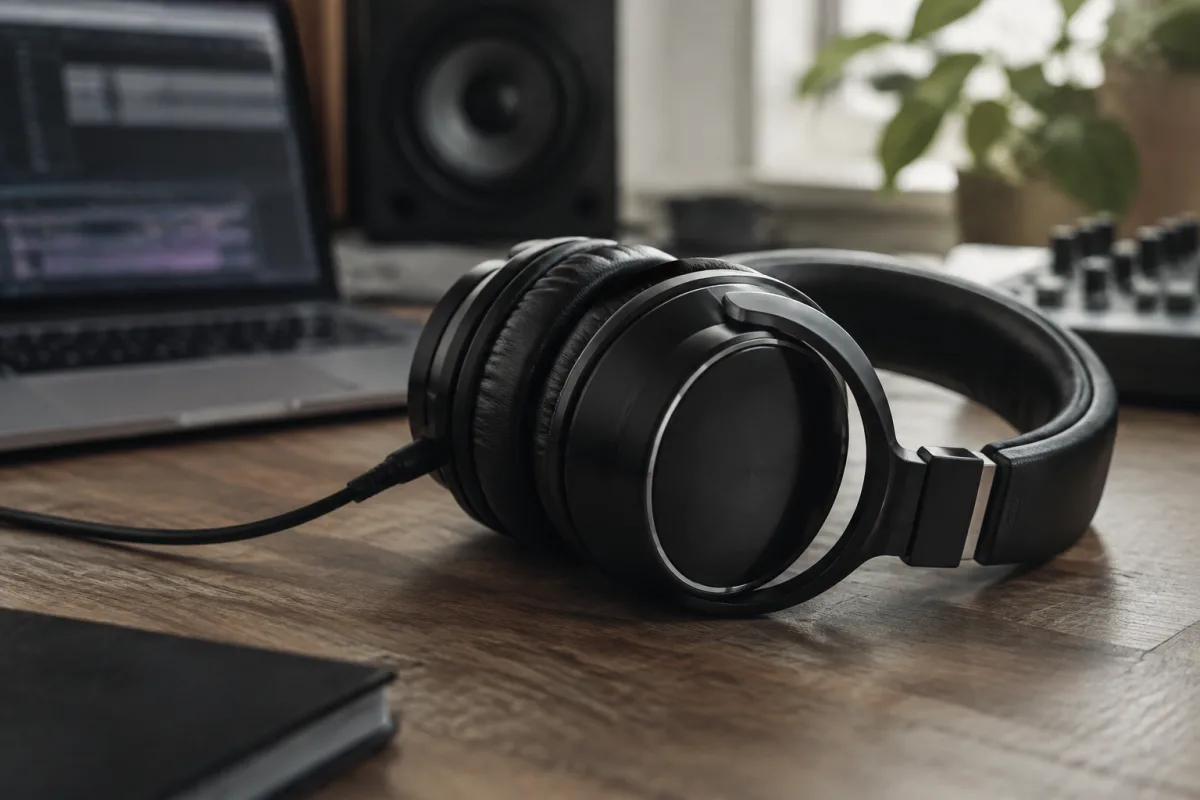
Starting a home studio or bedroom recording setup is exciting, but choosing headphones that actually help your work is confusing. Professional monitoring headphones feel intimidating—until you realise Yamaha studio headphones are designed precisely for nervous beginners who want accurate monitoring without jargon or complexity. If you're recording your first songs, mixing demos, or simply want headphones that let you hear what's actually happening in your audio, this guide walks you through everything a beginner needs to know about Yamaha studio headphones.
What Makes Yamaha Headphones Different From Consumer Headphones
Consumer headphones (the kind in music shops for listening to pop songs) boost bass and treble to make music sound exciting. Studio headphones like Yamaha models deliberately flatten this response, showing you exactly what's recorded without enhancement. This seems counterintuitive—shouldn't monitoring headphones make your music sound amazing? No; they show truth. Truth lets you make good mixing decisions. Once mixed correctly on honest headphones, your music sounds great everywhere.
This difference matters profoundly. If you're recording vocals and the headphones lie to you about what you captured, you'll make terrible mixing decisions and your final product suffers. Yamaha studio headphones tell you the truth, which feels less exciting initially but produces objectively better results.
Why Beginners Choose Yamaha Studio Headphones
Yamaha's reputation for reliability and clarity makes their headphones a wise first choice. They're manufactured with the care that defines Yamaha instruments, and studio headphones from Yamaha resist the common pitfalls of budget monitoring gear: harsh treble, boomy bass, uncomfortable builds. Yamaha studio headphones sound professional while remaining affordable enough for home recordists starting out.
Another advantage: Yamaha headphones work identically whether you're a beginner mixing your first song or a professional in a commercial studio. You're not graduating from "beginner" headphones to "pro" headphones—you're investing in a tool that grows with your skills.
Understanding Frequency Response
Beginners often worry about frequency response specs, imagining they need to understand complex technical measurements. In reality, frequency response describes whether headphones emphasise certain frequencies over others. Yamaha studio headphones typically aim for a flat frequency response (20Hz-20kHz), meaning bass, midrange, and treble are equally represented. This flatness is the opposite of consumer headphones but precisely what you want for monitoring.
When testing Yamaha studio headphones, listen to a song you know intimately (perhaps through consumer speakers), then through the Yamaha headphones. Initially, Yamaha headphones might sound harsh or thin compared to familiar consumer headphones. This isn't a defect; it's accuracy. Your ears adjust within days, and the accuracy becomes an asset rather than frustration.
Passive vs. Active Monitoring
Some Yamaha studio headphones are passive (no power required, just plug in). Others are active (include electronics for equalisation). For beginners, passive Yamaha headphones suffice. They're simpler, lighter, and require no batteries. You simply plug into your audio interface and start monitoring. Active models offer more tweaking options; save that complexity for later.
Comfort for Extended Sessions
When buying Yamaha studio headphones, comfort matters because recording and mixing sessions last hours. Heavier headphones cause neck fatigue. Poor padding causes ear discomfort. Yamaha studio headphones are designed for comfort; they typically use quality ear padding and lighter construction than consumer headphones. Wear any prospective Yamaha model for 30 minutes before purchasing; if they're uncomfortable after 30 minutes, they'll be miserable after three hours.
Cable Considerations
Professional Yamaha studio headphones typically include replaceable cables, which is brilliant because cables break eventually. Budget models might have fixed cables. When buying Yamaha studio headphones, ask whether cables are replaceable. This seemingly small feature extends the life of your headphones significantly.
Your First Recording Session with Yamaha Headphones
When you first use Yamaha studio headphones, expect an adjustment period. Your familiar music might sound oddly clear or unexciting because you're hearing every detail rather than pleasantly hyped tones. Resist the urge to return them immediately. Listen for three days, and your ears calibrate to the new normal. After a week, you'll understand why professionals insist on accurate monitoring—the clarity is genuinely addictive.
Common First-Timer Mistakes
New studio recordists using Yamaha headphones often make avoidable errors:
- Assuming they sound "wrong": Yamaha studio headphones sound different from consumer headphones because they're accurate, not broken. Give your ears time to adjust rather than immediately reaching for settings you think sound "better."
- Mixing at excessive volumes: Studio headphones at high volume fatigue your ears and encourage poor mixing (you turn down uncomfortable frequencies that actually need boosting). Keep volume moderate; if you can't hear details at moderate volumes, the headphones are wrong, not your volume choice.
- Relying solely on headphones for mixing: Professional studios use both headphones and powered monitors because each reveals different information. As you progress, consider adding small studio monitors, but Yamaha headphones alone are completely legitimate for beginning recording.
- Ignoring the included documentation: Yamaha usually includes helpful guides on frequency response, proper seating, and care. Read them; they educate you immensely.
- Storing headphones carelessly: Professional Yamaha headphones deserve a small pouch or case. Tangled cables and bent headbands degrade build quality. Gentle storage extends lifespan.
Building Confidence in Your Monitoring
The best way to trust Yamaha studio headphones is to mix something on them, then play it through consumer speakers, car speakers, and other systems. You'll discover that mix translates perfectly. This experience—hearing your mix sound good everywhere—builds confidence in your monitoring choices and accelerates your development as a recordist.
Expanding Your Workflow
As you grow more comfortable, you might add studio monitors (dedicated speakers designed for mixing). Yamaha makes excellent budget studio monitors, which pair beautifully with Yamaha headphones. Both share the same design philosophy of accuracy and reliability. However, Yamaha headphones alone suffice for professional-quality recordings and mixes if that's your budget.
Your Recording Journey Begins
Yamaha studio headphones are your gateway to understanding professional recording and mixing. They show you what's actually happening in your audio, which transforms your creative decisions from guesswork to informed choices. For deeper information about Yamaha headphone models, specifications, and detailed comparisons, see our complete guide to Yamaha studio headphones, which covers the full landscape beyond beginner advice.
You've made a smart choice investing in Yamaha studio headphones. Now it's time to record something worth monitoring.


Comments