


Headphone Yamaha Buying guide
Headphone Yamaha: A Complete Buyer's Guide
Buying Yamaha studio monitoring headphones requires understanding the distinction between consumer audio headphones and professional monitoring gear. This guide helps you select correctly.
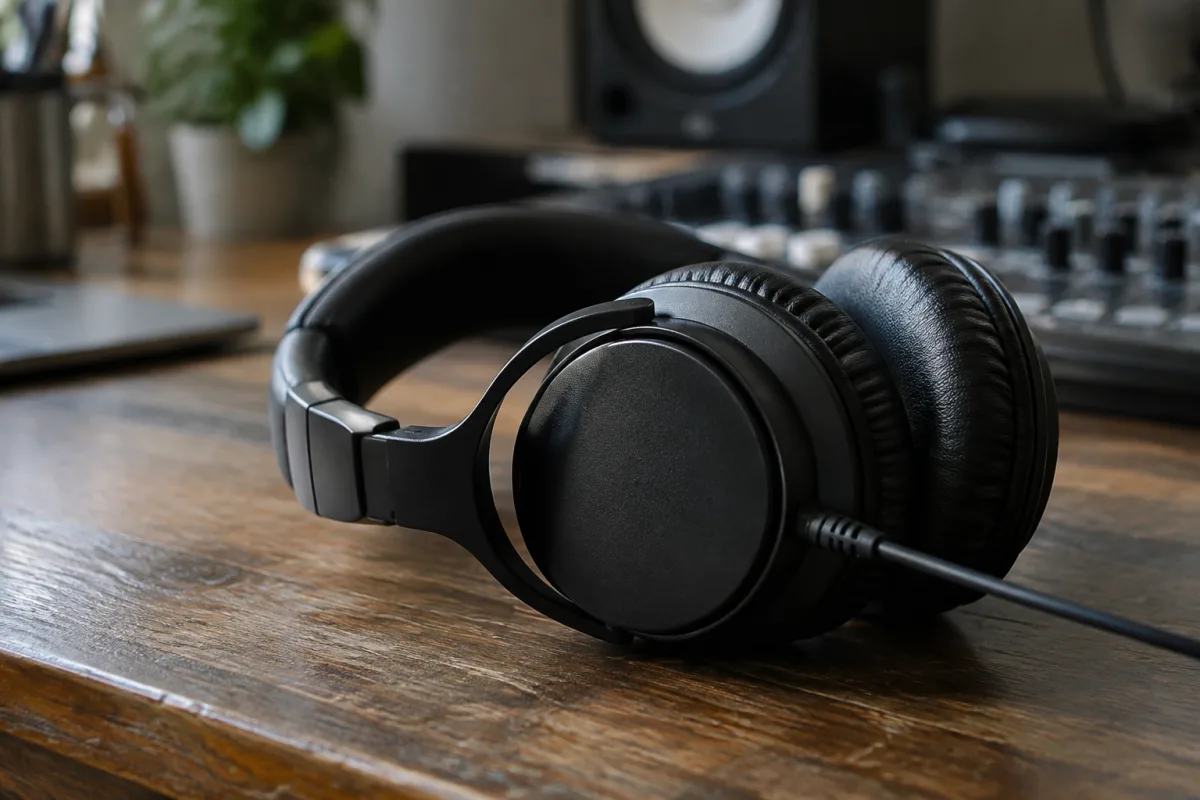
Buying Yamaha studio monitoring headphones requires understanding the distinction between consumer audio headphones and professional monitoring gear. Yamaha headphones span this spectrum—some models are consumer-focused entertainment devices; others are professional-grade tools for critical listening and mixing. Choosing correctly ensures you're monitoring accurately during recording and mixing sessions rather than listening through coloured, bass-boosted consumer cans that mask problems. This buying guide helps you select Yamaha headphones suited to professional audio work without overspending on unnecessary features.
Yamaha's Headphone Philosophy and Product Range
Yamaha manufactures headphones across multiple categories. Their consumer headphones (typically 50-100 series) prioritise bass, treble enhancement, and entertainment. Their professional monitoring headphones (Pro series, MT series) emphasise flat response and critical listening. The distinction matters enormously—consumer headphones colour your perception, making thin recordings sound thick and problematic mixes sound acceptable.
Yamaha's reputation in studio monitoring equipment carries into their headphone design. Professional models are engineered for accurate frequency response, minimal colouration, and reliable build quality. They're not designed for casual listening to music—they're designed for making crucial decisions about your mix.
Understanding Flat Frequency Response
The critical specification for monitoring headphones is flat frequency response—reproducing all frequencies at equal volume with minimal boost or cut. Consumer headphones intentionally shape frequency response, boosting bass (satisfying for music listening) and sometimes treble (creating perceived clarity). This colouration is disastrous for mixing—you make decisions based on distorted information, then your mix sounds terrible elsewhere.
Yamaha's professional headphone lines emphasise flat response, allowing you to hear problems that consumer headphones mask. Bass-heavy mixes sound appropriately bass-heavy; thin mixes stay thin; harsh treble remains obvious. This honest monitoring is initially uncomfortable—professional mixes often sound thin and unfinished through flat monitoring. But this accuracy allows you to make corrections that translate everywhere.
Key Monitoring Headphone Specifications
Beyond flat response, essential specifications include impedance (typically 32-64 ohms for professional headphones), frequency response range (ideally 20Hz-20kHz), and sound pressure level handling. Professional impedance of 32-64 ohms ensures compatibility with audio interfaces and mixing consoles. Consumer impedance (16-32 ohms) may overpower audio interface outputs.
Maximum SPL (sound pressure level) matters less for music production than for live monitoring, but higher specs (around 95dB SPL) accommodate monitoring reference-level mixes without headphone damage. Check that headphones accommodate your mixing levels comfortably.
Yamaha Pro Series Headphones Worth Considering
The Yamaha MT series represents professional monitoring in compact form. Models like the MT7 and MT5 (if available) are compact closed-back designs with flat response, making them suitable for accurate mixing. Compact designs compromise soundstage but maintain frequency accuracy—acceptable for home studios where monitoring space is limited.
Yamaha also produces open-back monitoring designs in their professional range. Open-backs deliver enhanced soundstage and more natural imaging but allow sound leakage, limiting their use in shared spaces. For serious mixing and professional use, open-back Yamaha headphones deliver reference-quality monitoring.
Comparing to Alternative Professional Headphones
Professional headphone alternatives include Sony MDR-7506 (industry standard for decades), Audio-Technica AT2020USB (affordable quality), and Shure SRH940 (premium option). Yamaha monitoring headphones compete favourably across price tiers—they offer comparable accuracy and build quality at competitive pricing. Yamaha's advantage is brand reputation; many professionals trust their monitoring consistency.
The "best" headphones often come down to personal fit and frequency preference comfort. Some monitor engineers prefer slightly boosted mids (Shure tendency); others prefer Yamaha's flatter midrange. Audition candidates when possible—individual ear anatomy affects perceived balance even with identical frequency response.
Price Tiers and Realistic Investment
Professional monitoring headphones span £100–£400+ depending on design and brand prestige. Yamaha's professional models range £150–£250, offering solid value for quality monitoring. Budget models (under £100) often compromise on accuracy or comfort; premium models (£250+) emphasize premium materials and exotic driver designs with diminishing accuracy gains.
Smart investment level for home producers: £150–£200 Yamaha professional headphones deliver genuine monitoring accuracy suitable for mixing and production. Higher investments suit recording studios, mixing houses, and audio engineers earning income from accurate monitoring. Hobbyists and learners appreciate quality monitoring but don't demand highest tier equipment.
Closed-Back Versus Open-Back Monitoring Headphones
Closed-back headphones contain sound within the ear cup, preventing leakage into microphones and confining sound within the space. They emphasise bass response naturally, making them slightly less transparent than open-back designs. Closed-back Yamaha monitoring headphones suit recording environments where microphone leakage matters or where isolation improves focus.
Open-back headphones allow air movement through the ear cup, creating more natural soundstage and more accurate spatial imaging. They're excellent for mixing in treated studios. However, they leak sound, making them unsuitable for environments where recording is happening nearby or where others might hear.
Most home producers choose closed-back for practical isolation. Open-back suits dedicated mixing-only environments. Your room usage determines which serves better.
Build Quality and Durability Inspection
Yamaha professional headphones emphasise sturdy construction—metal headbands, quality cable connections, and durable driver design. Inspect headband materials (metal is preferable to plastic), cable construction (braided cables resist failure better than thin coating), and connector types. 3.5mm connections are standard; some professional models use 2.5mm or balanced connections.
Cable quality matters significantly. Professional headphone cables experience frequent connections/disconnections and coiling during storage. Cheap cables fail prematurely. Yamaha's professional cables are generally adequate; replacements are available at reasonable cost if needed.
Comfort for Extended Monitoring Sessions
Monitoring headphones sit on your ears for hours during recording and mixing sessions. Comfort is non-negotiable—uncomfortable headphones will be abandoned for more comfortable consumer alternatives, undermining your monitoring discipline. Inspect ear pad material (velour is more breathable than vinyl), headband padding, and overall clamping force.
Ear pad size matters—they must fully enclose your ears without touching them directly. Large ears might require aftermarket pads if standard Yamaha pads don't accommodate comfortably. Some players swap pads for aftermarket options providing more comfort or different frequency response—an option worth considering if standard pads disappoint.
Common Purchasing Pitfalls
Don't confuse Yamaha consumer audio headphones with professional monitoring models. Consumer Yamaha headphones often have similar model numbers but prioritise entertainment over accuracy. Specifically look for "monitoring," "studio," "professional," or "reference" in product descriptions. Professional model names typically feature codes like "MT" (Yamaha studio line).
Avoid assuming higher prices mean better monitoring. Premium-tier headphones sometimes emphasise materials and aesthetics over frequency accuracy. Mid-range Yamaha professional headphones often deliver better monitoring truth than higher-priced consumer models.
Don't purchase without audition if possible. Even within Yamaha's professional line, individual models have character. Borrowing from a friend or renting before purchase prevents expensive regret. Some producers prefer slightly different balances; sampling helps identify your preference.
Setup and Optimization
Professional headphones require proper amplification. Your audio interface's headphone output should comfortably reach monitoring reference levels (typically around 85dB SPL). Weak amplification forces you to turn up excessively, degrading signal-to-noise ratio. Most modern audio interfaces accommodate professional headphone impedance adequately.
Cable length matters. 2-3 metre cables are standard. Longer cables pick up interference; shorter cables restrict movement. Select length matching your monitoring setup. Coil cables carefully during storage to prevent internal damage from repeated kinking.
For Broader Context on Yamaha Monitoring Headphones
Explore our complete guide to Yamaha headphones for expanded information about specific models, frequency response graphs, and comparative analysis.
Making Your Yamaha Monitoring Headphone Purchase
Professional monitoring headphones are investments in accurate decision-making during your production workflow. Yamaha's professional models deliver genuine accuracy at reasonable cost. Commit to flat-response monitoring even if it initially feels uncomfortable compared to consumer audio. Within weeks, your ears adapt and your mixing improves demonstrably. A £150–£200 Yamaha professional headphone purchase will serve you for years, making it among the best investments in your home studio or recording setup.



Comments