


Focal Studio Monitors Buying guide
Focal Studio Monitors: A Complete Buyer's Guide
A practical guide to selecting Focal studio monitors—covering the Solo6 and Trio6 ranges, understanding Focal's bright character, placement requirements, and achieving professional results.
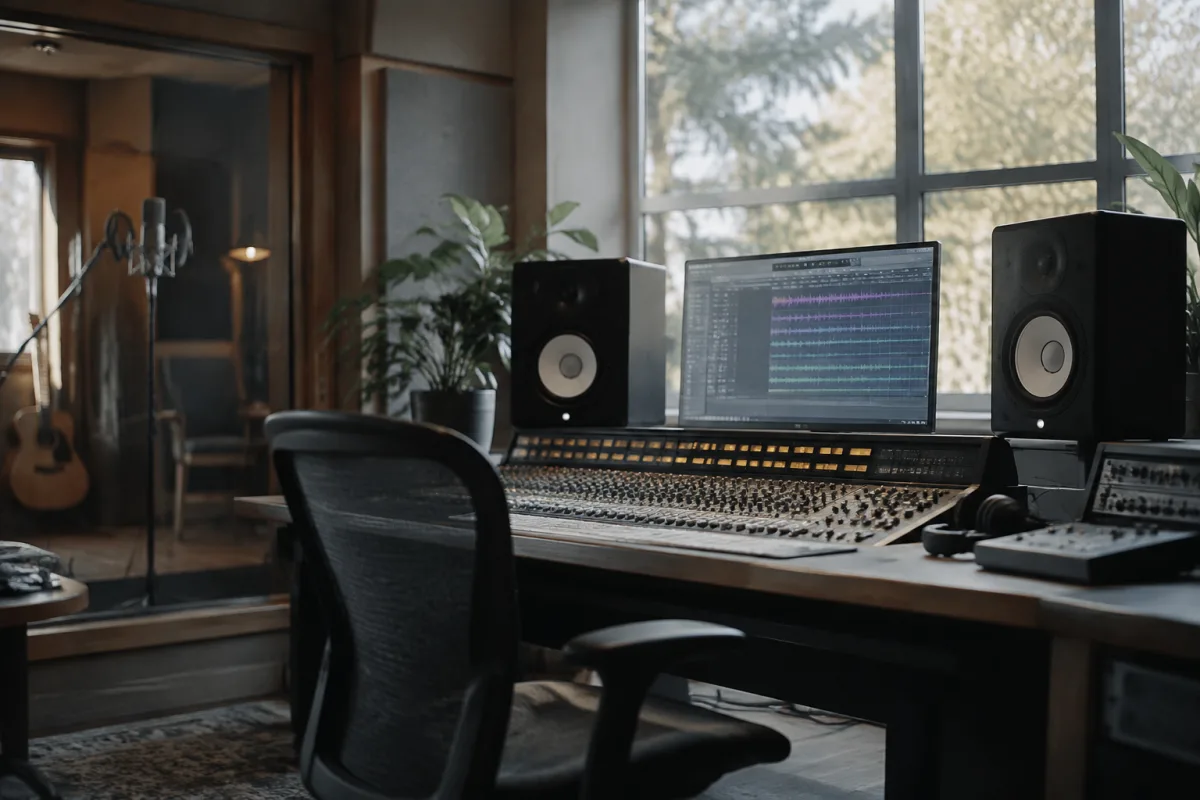
Focal studio monitors offer a distinctive character: bright, detailed, and forgiving in imperfect rooms. As a French manufacturer with decades of professional audio experience, Focal has built a loyal following among mix engineers and producers. Understanding what Focal monitors deliver—and where they shine compared to alternatives—helps you decide whether they're right for your studio.
Focal's Monitoring Philosophy
Focal monitors are known for detailed treble and upper-midrange response, which makes every detail of a mix immediately audible. This can be a strength (you catch thin vocals, harsh EQ, sibilance problems quickly) or a challenge (the brightness can feel fatiguing in untreated rooms). Focal advocates argue this detail-forward character teaches you to mix well; critics note that harsh monitoring can lead to over-compensating with excessive low-mid boost.
Focal also champions natural, extended bass response, especially in their larger models. You'll hear deep low-end clearly without needing a subwoofer, which is practical for home studios where space is limited.
Focal's Monitor Range and Categories
Solo6 Be and Compact Series
Focal's entry to mid-level models—like the Solo6 Be—offer compact, near-field solutions for bedrooms and home studios. Priced around £400–800 per pair, they deliver Focal's characteristic detail without the cost of professional-grade systems. The "Be" designation refers to beryllium tweeters, which provide exceptional treble clarity (though some ears find them bright).
Trio6 Be and Alpha Series
Focal's mid-range monitors include dedicated centre channels and three-way designs for larger rooms. Prices typically range from £1000–2000 per pair. These suit professional mixing rooms where you need depth, precision, and three-way speaker design for phase coherence.
Professional and Mastering Series
Focal's flagship monitors—designed for mastering suites and broadcast—cost £3000+. These represent the peak of their engineering but are overkill for most project studios. They're purpose-built for rooms with professional acoustic design and engineers with years of listening experience.
Key Specs to Compare Across Focal Models
Tweeter Technology (Beryllium vs. Standard)
Focal's beryllium tweeters are their signature—they offer exceptional detail and extended high-frequency response. However, they can sound bright and fatiguing in untreated rooms. Standard soft-dome tweeters offer smoother, more forgiving high-end. If you prefer detail and brightness, beryllium suits you; if you prefer warmth and ease on the ears, seek out Focal models with standard tweeters.
Woofer Size and Bass Extension
Focal uses larger woofers than many competitors, delivering extended bass response even in compact models. A Solo6 Be offers surprising bass depth for its size. Larger models (Trio6 and above) naturally extend lower and handle complex bass arrangements with ease. Choose based on your room size and whether you need separate subwoofer assistance.
Cabinet Design and Porting
Most Focal monitors use rear-ported designs, which work best when the monitor sits a few centimetres from the back wall. This can be an advantage in small rooms (saving space) or a liability (if you can't place monitors ideally). Front-ported alternatives exist; check specifications if rear-porting won't work in your space.
Common Focal Buying Mistakes
First, assuming Focal's brightness suits every room. It doesn't. In a hard, untreated room, Focal monitors sound harsh and will fatigue your ears quickly. Budget for basic absorption panels and bass traps. Focal monitors shine in acoustically treated spaces.
Second, ignoring placement requirements. Focal monitors are rear-ported and need clear space behind them. Cramming them into a corner or against a wall degrades their performance. Give them room to breathe, and they'll sound dramatically better.
Third, comparing Focal to Neumann or PMC monitors and expecting the same character. Focal monitors are deliberately bright and detailed; they're not "worse", just different. Listen to all three in a treated room and trust your ears. Each has a constituency of professional users.
Fourth, buying monitors that are too large for your room. A three-way Focal monitor designed for a 40-square-metre mixing suite will overwhelm a 15-square-metre bedroom. Scale monitor size to your actual room, not your ambitions.
Focal Monitor Price Tiers
| Budget | Typical Models | Best For |
|---|---|---|
| £400–800/pair | Solo6 Be, compact near-field | Project studios, home mixing |
| £1000–2000/pair | Trio6 Be, mid-range three-way | Professional mixing rooms |
| £3000+/pair | Professional and mastering series | Mastering facilities, broadcast |
Focal Versus Other Professional Monitors
Focal offers more treble detail than Neumann (which is warmer) and more bass extension than PMC (which prioritises midrange clarity). Genelec offers a different sonic profile, emphasising accuracy over character. Your choice depends on your mixing style and room acoustics. Bright, detailed monitors suit careful mix engineers who like to catch every problem. Warmer, smoother monitors suit engineers who prefer musical accuracy over technical precision.
Getting the Best from Focal Monitors
Treat your room properly—this matters more with Focal than with warmer alternatives. Absorption panels, bass traps, and strategic placement unlock their potential. Start with listening at moderate volume; their brightness can feel excessive at loud levels. Gradually adjust your ears to their character; after two weeks, you'll mix naturally on Focal monitors and translate exceptionally well.
For a comprehensive exploration of professional studio monitoring, read our complete guide to Focal studio monitors.
Conclusion
Buying Focal studio monitors means choosing a bright, detail-forward sonic character. Match monitor size to your room, budget for acoustic treatment, and prepare for a learning period as your ears adapt. Focal monitors reward careful mix engineering and proper room acoustics. With professional setup and patience, they become an excellent tool for transparent, detailed mixing work.


Comments