


Beyerdynamic Mics Buying guide
Beyerdynamic Mics: A Complete Buyer's Guide
Buying Beyerdynamic microphones requires understanding microphone types, frequency response, and which model suits your recording application and budget.
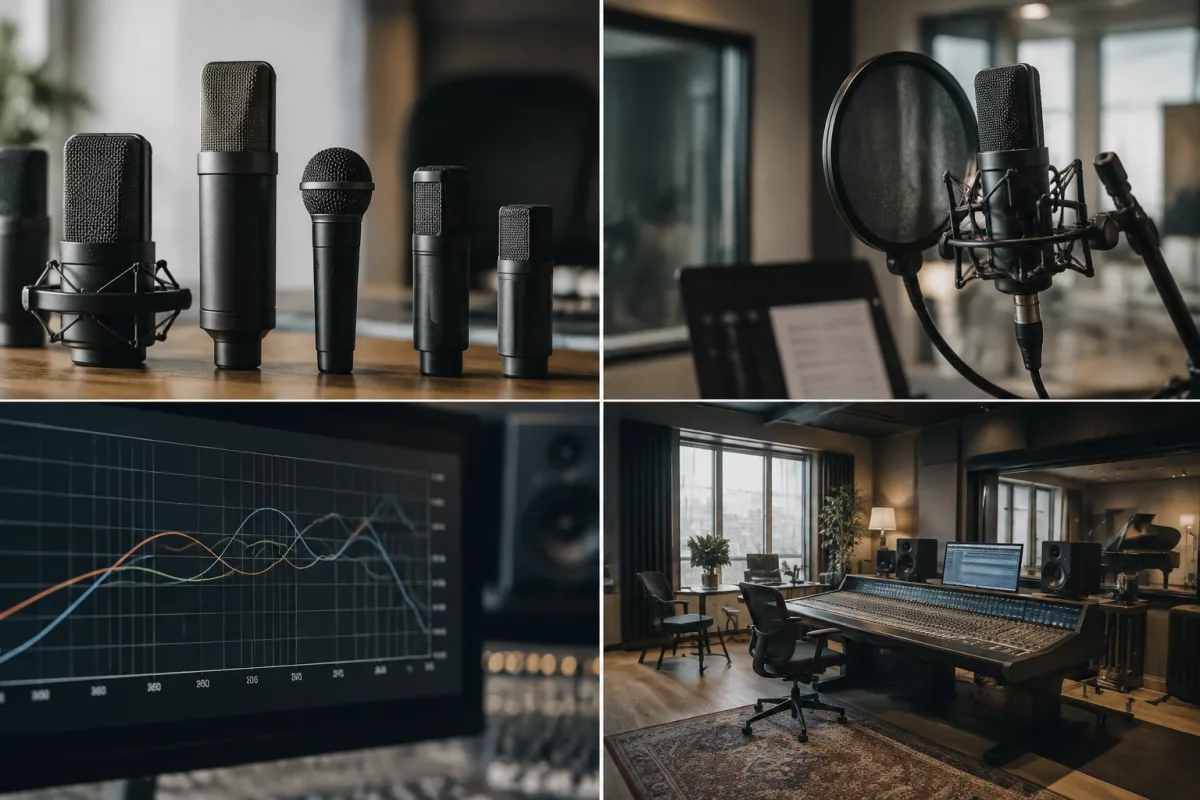
Purchasing Beyerdynamic microphones requires understanding which microphone type suits your recording application and budget. Beyerdynamic's range spans studio condenser microphones, dynamic stage microphones, and specialised recording equipment, each engineered for specific acoustic environments and use cases. Investing in a Beyerdynamic mic is committing to German engineering quality and decades of acoustic expertise, but your purchase decision should match your actual recording needs rather than chasing premium branding. Whether you're building your first home studio or upgrading a professional recording setup, knowing what matters in Beyerdynamic microphone specifications ensures your investment delivers genuine value and performance for years.
Understanding Beyerdynamic Microphone Types
Beyerdynamic produces several microphone categories serving different recording purposes. Condenser microphones capture detailed, sensitive recordings ideal for vocals, acoustic instruments, and studio work. They require phantom power (typically from an audio interface or mixer) and deliver extended frequency response with excellent transient capture. Condenser mics are the industry standard for professional studio recording.
Dynamic microphones handle high sound pressure levels beautifully, making them perfect for amplified instruments, drums, and live performance. They require no phantom power and offer robust construction. Dynamic mics typically deliver warmer, more coloured tone compared to condensers, which some engineers prefer for specific applications.
Ribbon microphones capture warm, natural tone with characteristic proximity and presence peaks that flatter many sources. They're more delicate than dynamics, requiring careful handling. Beyerdynamic's ribbon offerings appeal to engineers valuing vintage character and natural sound.
Choose your microphone type first based on your primary recording application. Studio vocals demand condensers; amplified instruments might prefer dynamics; vintage-focused recordings could benefit from ribbons. Understanding your primary use case guides equipment selection efficiently.
Key Specifications and Frequency Response
Frequency response indicates which sound frequencies a microphone captures accurately. Microphones with extended high-frequency response (8-20kHz) capture detail and sparkle ideal for vocals and acoustic instruments. Presence peaks in the 2-5kHz range emphasise intelligibility and aggression useful for rock vocals and rap. Boomier low-frequency response (enhanced bass) suits spoken word and dark-sounding sources.
Sensitivity measurements indicate how strongly the microphone responds to sound. More sensitive microphones capture subtle sources excellently but might pick up unwanted background noise. Less sensitive microphones handle loud sources without distortion but require stronger input signals. Match microphone sensitivity to your typical recording levels.
Impedance affects how the microphone interfaces with your audio equipment. Most modern Beyerdynamic mics offer 200-300 ohms impedance, which works with virtually all professional audio interfaces. Extremely high or low impedance (outside standard ranges) might cause compatibility issues with certain equipment.
Polar pattern indicates which directions the microphone captures sound. Cardioid patterns capture primarily front-facing sound whilst rejecting rear noise—ideal for isolated recordings. Omnidirectional patterns capture sound from all directions, perfect for room ambience or multiple sources. Beyerdynamic's specifications clearly detail polar pattern; choose based on your recording environment needs.
Beyerdynamic Mic Price Tiers and Applications
Budget Beyerdynamic microphones (£50-150) suit beginners and home-studio enthusiasts testing whether they'll invest seriously in recording. These typically deliver solid performance for basic vocal and instrument recording despite lower prices. Budget models often surprise with performance quality—Beyerdynamic maintains reputation even at entry levels.
Mid-range Beyerdynamic mics (£150-500) represent the sweet spot where professional performance meets reasonable investment. Most serious home recordists and small studios choose within this tier. Mid-range microphones deliver detailed recordings suitable for commercial release without demanding luxury pricing.
Professional Beyerdynamic microphones (£500-1,500) feature premium construction, exceptional specifications, and often vintage-inspired characteristics or specialist applications. Professional engineers working in world-class studios choose these mics for specific sonic character and reliability.
Vintage and collector Beyerdynamic microphones (£1,500+) command premium prices due to rarity, prestige, and acoustic legend. These appeal to collectors and engineering obsessives; general recordings rarely require investing this heavily in microphone purchase.
Identifying Your Specific Recording Requirements
Determine whether you're primarily recording vocals, instruments, drums, or multiple sources. Vocal-focused recording might prioritise presence peaks and smooth presence; instrument recording might favour extended highs or warm lows. Drums recording often benefits from dynamic mics' ruggedness; acoustic instruments reward condenser sensitivity.
Assess your recording environment. Treated professional studios can use sensitive condensers capturing detail. Untreated home studios benefit from more directional dynamics rejecting room noise. Small rooms sometimes struggle with bass proximity effect from close-miked sources; understanding your specific environment informs equipment selection.
Consider whether you'll record primarily single sources or multiple simultaneous sources. Condenser mic flexibility suits single-source recording excellence; dynamic robustness serves loud, high-pressure applications. Your primary use case drives whether you prioritise detail or durability.
Avoiding Common Purchasing Mistakes
Don't assume more expensive equals better for your specific application. Some expensive Beyerdynamic mics excel at specific tasks whilst performing poorly elsewhere. A professional-grade dynamic mic might outperform a luxury condenser for drum recording despite lower price. Match microphone character to your application rather than chasing premium branding.
Don't overlook phantom power requirements. Condenser microphones require phantom power from your audio interface. If your interface lacks phantom power, condenser mics won't function. Check your equipment infrastructure before purchasing phantom-power-dependent microphones.
Don't assume you need only one microphone. Most serious recording setups benefit from multiple mics with different characteristics. Investing in one exceptional microphone often proves less useful than owning several complementary mics. Consider building a microphone collection gradually rather than committing to a single expensive purchase.
Don't ignore cable and connection quality. Cheap cables introduce noise and signal degradation negating microphone quality advantages. Invest in quality XLR cables, shock mounts, and pop filters alongside your Beyerdynamic mic purchase. These accessories protect your investment and dramatically improve recording results.
Testing and Listening Before Committing
If possible, audition Beyerdynamic mics before purchasing. Record your typical sources through multiple microphones and listen carefully to tonal differences. Notice which microphones capture your preferred character and detail. Listening comparison trumps specification sheets when choosing equipment you'll use regularly.
If auditioning isn't possible, read detailed professional reviews emphasising sound character and application suitability. Customer reviews from engineers using microphones for your specific application provide invaluable perspective. Don't rely solely on manufacturer specifications; real-world performance often surprises.
Understanding Beyerdynamic Microphones in Depth Before Purchasing
If you want comprehensive information about different Beyerdynamic microphone models, specifications, and applications before committing to a purchase, our complete guide to Beyerdynamic microphones provides detailed exploration of every model and type available in the market today.
Purchasing a Beyerdynamic microphone connects you to decades of German acoustic engineering and professional recording tradition. Invest time in identifying your specific recording requirements, understand which microphone type and specifications suit your application, and you'll own equipment that captures exceptional recordings for years to come.


Comments