


Beyerdynamic article
Beyerdynamic for Beginners: A Complete Guide
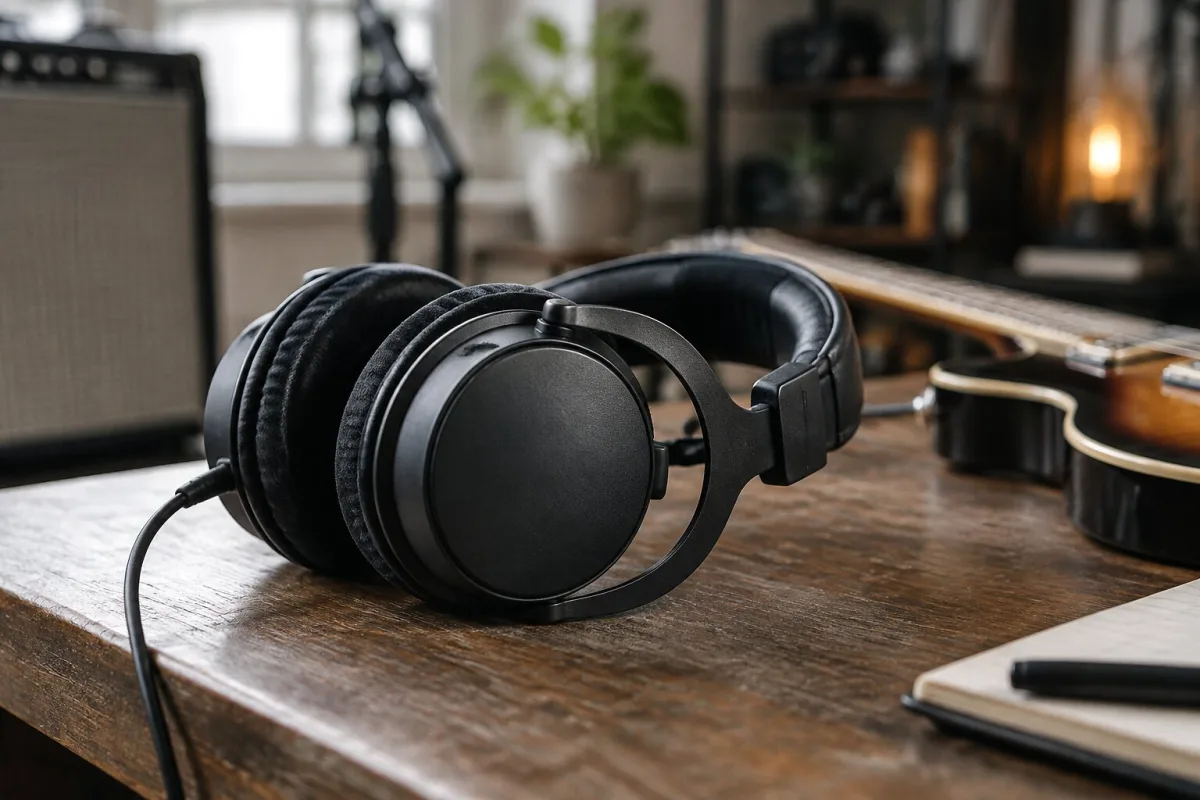
Beyerdynamic headphones are intimidating if you're new to serious audio work. All the technical jargon—impedance, open-back, closed-back, Tesla drivers—makes simple choices feel complicated. Let's cut through that and focus on what matters for someone just starting out.
Why Beyerdynamic? (The Short Answer)
Beyerdynamic makes headphones that tell you the truth about your audio. Consumer headphones lie pleasantly—they boost bass and treble to make everything sound exciting. Beyerdynamic refuses to lie. They sound neutral and accurate, which means your mixing decisions will translate properly to every playback system.
This matters more than you'd think. Spend a month mixing on coloured headphones and you'll develop mixing habits that sound wrong everywhere else. Beyerdynamic prevents that.
The Only Confusing Part: Impedance (Simplified)
Impedance is a technical specification that describes how the headphone interacts with your audio source. For beginners, here's what you need to know:
16-Ohm Beyerdynamics work with anything—your phone, laptop, any audio interface. Pick these if you're unsure. They're the most flexible and you'll never need an amplifier.
80-Ohm Beyerdynamics are studio standard. They work with most professional audio interfaces and mixing consoles. If you're setting up a proper mixing space, choose 80-ohm. You might benefit from a headphone amplifier (£100–200), but they work fine without one.
250-Ohm Beyerdynamics require a headphone amplifier. For beginners, skip these. Learn on 16 or 80-ohm models first.
The bottom line: if you're starting out, either a 16-ohm portable Beyerdynamic or an 80-ohm studio model, depending on whether you need portability or a dedicated studio setup.
Closed-Back Versus Open-Back: Which to Start With?
Closed-Back Headphones seal sound inside the ear cups. They provide isolation and emphasise bass impact. Use these if you're recording vocals or instruments because they prevent room sound from interfering with your recording. They're also better if you're mixing in a bedroom (they don't disturb others as much).
Open-Back Headphones breathe. They sound more natural and reveal how your mix translates to real-world listening. Use these if you're mixing in a treated studio and want the most accurate picture of your sound.
As a beginner, start with closed-back (usually the DT 770). They're more forgiving and work in any environment. You can add open-back later if you discover it matters for your workflow.
Your First Beyerdynamic: The Honest Recommendation
Buy a DT 770 Pro in 80-ohm impedance (around £150–170).
Why? Because it's the most versatile. It works with most audio interfaces. It provides isolation for recording. It sounds professional. Thousands of professional studios rely on it. Beyerdynamic will continue supporting it with replacement parts for decades.
If you absolutely need portability, get the DT 240 Pro instead (around £120). It's portable, sounds excellent, and removes the impedance confusion entirely (16-ohm versions available).
Do You Need an Amplifier?
Honest answer: not immediately. The 80-ohm DT 770 works fine plugged directly into your audio interface. You might notice it sounds better through an amplifier later, but that's an upgrade, not a requirement.
If you go with an amplifier eventually, the Audient Sono (around £300) is brilliant—it's an audio interface with built-in professional headphone amplification, so you're not spending extra money on a dedicated amp.
Three Common Beginner Mistakes
Mistake 1: Thinking they sound "boring"
Beyerdynamic headphones don't hype bass or treble. If you're used to consumer headphones, they might sound clinical at first. Give yourself a week. You'll quickly appreciate the accuracy and discover you actually prefer hearing the truth about your mix.
Mistake 2: Choosing 250-ohm models without an amplifier
The 250-ohm versions sound quiet and strained without proper amplification. Start with 16 or 80-ohm versions. Upgrade later if you invest in an amplifier.
Mistake 3: Not using them regularly at first
Your ears need to adjust. Beyerdynamic headphones train your ears to hear accurately. That takes a few weeks of regular use. Don't judge them on your first day.
Getting Started: Practical Steps
1. Purchase the DT 770 Pro 80-ohm (£150–170) or DT 240 Pro 16-ohm portable (£120).
2. Plug directly into your audio interface or mixing console.
3. Use them for recording, mixing, and reference listening for at least two weeks.
4. Let your ears adjust to the neutral, accurate sound.
5. Later, if you want to enhance the experience, add a headphone amplifier (£150–400).
Building Your First Setup
DT 770 Pro 80-ohm (£160) + quality audio interface (£200–400). That's all you need. The interface provides audio input for your music production, and the Beyerdynamic headphones give you professional-quality monitoring.
Total investment for a professional-quality monitoring setup: around £400–500. That's genuinely affordable for the quality and durability you're getting.
The Long-Term Investment
Beyerdynamic headphones last literally for decades. A DT 770 bought in 2002 still works today. They're not trendy. They're reliable tools that improve your work every day for years.
That kind of reliability makes them an excellent investment for someone serious about audio work, whether mixing, recording or critical listening.





Comments