


Beyerdynamic roundup
Beyerdynamic: A Complete Buyer's Guide

Beyerdynamic's product range is genuinely wide, and choosing between models requires understanding your specific needs and workflow. This guide cuts through the options and helps you select the right pair.
First: Understand the Impedance Question
Beyerdynamic's core models come in three impedance ratings: 16 ohms, 80 ohms and 250 ohms. This matters more than most buyers realise.
16-Ohm Models work with any audio source—mobile phones, laptops, portable recorders, consumer audio interfaces. The 16-ohm design draws minimal current, making these the most portable and flexible option. Perfect if you're mixing across multiple environments or need headphones that work anywhere.
80-Ohm Models suit professional audio interfaces and mixing consoles. They work with mobile devices but benefit from a dedicated headphone amplifier. Most studio setups favour 80-ohm versions because a quality amplifier improves clarity and control significantly. This is the sweet spot for mixing work.
250-Ohm Models require a proper headphone amplifier. They're designed for professional consoles with built-in amplification or for use with a dedicated amp. Without adequate amplification, they'll sound quiet and strained. If you have a good amplifier, the 250-ohm versions often sound most detailed.
Closed-Back Versus Open-Back: The Primary Choice
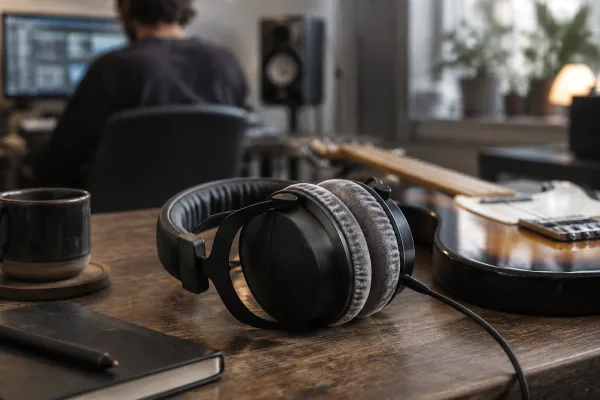
Closed-Back Headphones (like the DT 770) seal sound inside the ear cup, providing isolation and emphasising low-frequency impact. They're ideal for recording vocals (preventing microphone feedback), tracking instruments, and any scenario where you need to hear your dry signal without room reflections. The isolation also lets you work at lower volumes, reducing listener fatigue during long sessions.
Open-Back Headphones (like the DT 990) allow air movement through the ear cup, creating a wider sense of space and a more natural tonal balance. They're better for mixing because the open design reveals how your mix translates to normal listening environments. The trade-off: zero isolation, so they work best in controlled studio environments. You can't use open-back headphones for recording vocals or instruments because any sound in the room will leak into the microphone.
Many studios maintain both. Use closed-back for recording and detailed work, open-back for mixing and reference listening.
Reviewing the Main Models
DT 770 Pro (Closed-Back Reference Monitor)
This is arguably Beyerdynamic's most famous headphone. The DT 770 is available in 32, 80, and 250-ohm versions. The 80-ohm version is the studio standard, delivering excellent isolation and a slightly forward midrange that's flattering for vocal work. The 250-ohm version sounds more detailed but requires proper amplification. Around £130–180 depending on impedance.
DT 990 Pro (Open-Back Reference Monitor)
The open-back cousin of the DT 770, available in 250-ohm primarily (some 80-ohm availability). The DT 990 offers a wider soundstage, more natural balance, and excellent detail. The open design prevents isolation and room reflections, making it ideal for mixing in treated rooms. Around £150–200.
DT 100 (Stage Headphone)
Built for live performance and monitoring. The DT 100 is more rugged than the studio models, with tighter headband tension and reinforced cabling. They're designed for stage durability and provide excellent isolation for monitoring. Multiple versions serve different impedance and design requirements. Around £150–250.
DT 240 Pro (Portable Closed-Back Monitor)
A compact, portable version of the DT 770 philosophy. The DT 240 Pro is lightweight, folds for travel, and delivers the closed-back isolation and character of larger Beyerdynamic models. Perfect for mix referencing on location or checking mixes in unfamiliar spaces. Around £100–150.
Aventho Wireless
Beyerdynamic's wireless option, using Bluetooth connectivity. The Aventho Wireless maintains Beyerdynamic's neutral character while adding wireless convenience. Battery life is solid (20+ hours). Around £250–350. Good for reference listening while moving around the studio or office.
The Headphone Amplifier Question
If you're buying an 80 or 250-ohm Beyerdynamic model, a headphone amplifier improves the experience significantly. A quality amp (£150–400) delivers cleaner, more controlled sound and better bass extension.
Recommended amplifiers for Beyerdynamic:
- Audient Sono (around £300): a compact interface with built-in professional-grade headphone amplification
- SPL Phonitor Mini (around £500): dedicated headphone amplifier with exceptional sound quality
- FiiO Portable Models (£100–300): portable amplifiers if you're mixing on location
Impedance and Mixing Consoles
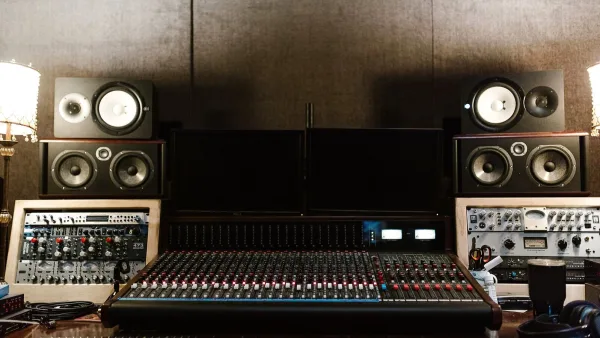
If you're using a mixing console with built-in headphone amplification (common in live sound and traditional recording studios), the 250-ohm Beyerdynamic models are designed for that application. The console's amplifier is built to handle the higher impedance, providing clean, controlled monitoring.
Budget Considerations
Minimal Investment (£100–150): The DT 240 Pro portable model or a 16-ohm DT 770. These work anywhere and represent excellent value.
Standard Studio Setup (£250–400): An 80-ohm DT 770 or DT 990 plus a mid-range headphone amplifier. This is the professional sweet spot for mixing work.
Premium Setup (£500+): A 250-ohm model paired with a quality dedicated amplifier, or the Aventho Wireless for convenience.
Buying New Versus Used
Beyerdynamic headphones are built to last. Used models from established retailers often represent excellent value—you get professional sound quality at 50–60% of new price. Professional rigs sometimes get upgraded, leaving perfectly functional used gear available.
Private sales are riskier because headphone ear pads degrade over time (though replacement pads are available from Beyerdynamic). Buy from retailers offering returns or warranty backing.
Final Recommendation: Start Here
If you're mixing in a studio and want a solid investment: DT 770 Pro (80-ohm) plus a Audient Sono interface or similar headphone amplifier. Total around £450–500. This combination will serve professional work for years.
If you need portability: DT 240 Pro (around £120) does excellent work for reference listening anywhere.
If you mix primarily in a treated room and want the widest soundstage: DT 990 Pro (250-ohm) plus an SPL Phonitor Mini (around £600–700 combined).




Comments