


Tube Microphone Buying guide
Tube Microphone: A Complete Buyer's Guide
Purchasing a tube microphone requires understanding architecture, critical specifications, and how to evaluate sonic character. This buying guide helps you make an informed investment in the right tube microphone for your needs.
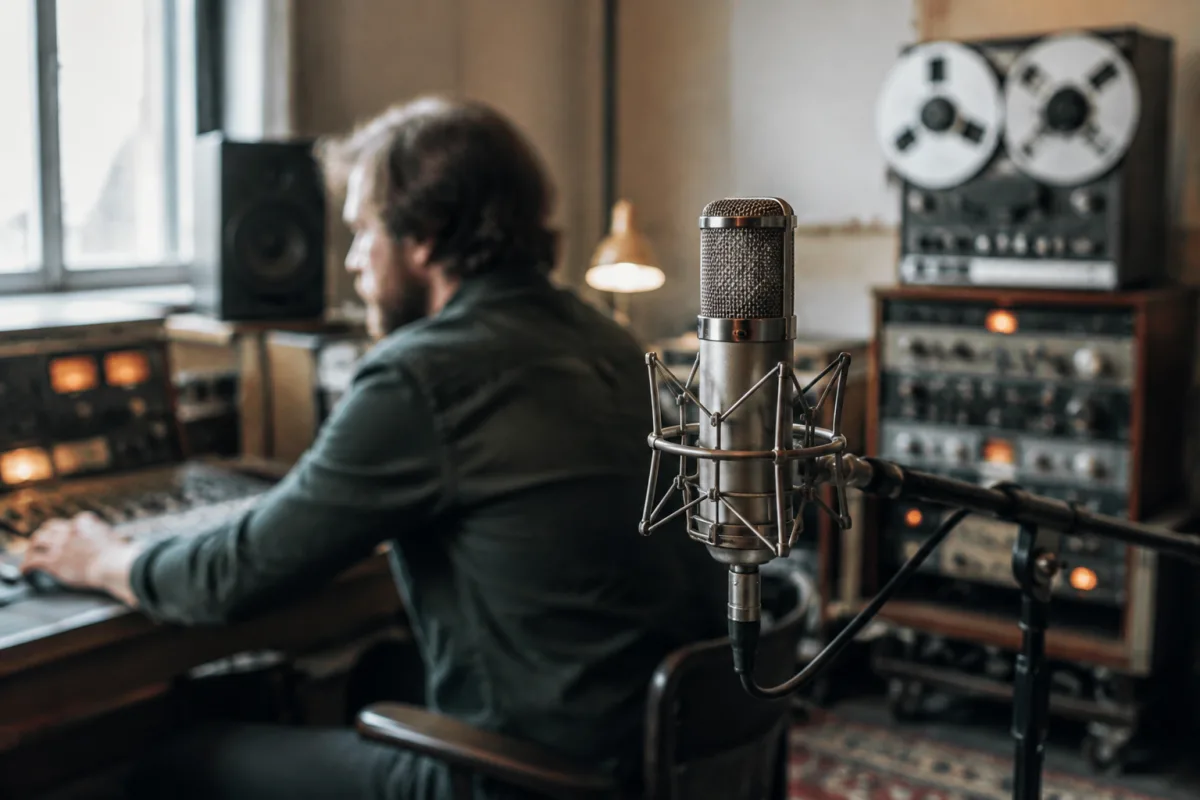
Investing in a tube microphone is a major purchase—these versatile instruments can colour your vocals, drums, and instruments with warmth that's difficult to achieve with condensers alone. But choosing the right tube microphone requires understanding which technical specifications matter, how to evaluate sound quality, and what to realistically expect at different price points. This buying guide walks you through the essentials so you can make an informed decision with confidence.
Understanding Tube Microphone Architecture
Before shopping for a tube microphone, you need to grasp the basic design elements that distinguish these microphones from one another. Understanding architecture helps you predict how a particular model will perform with your voice or instruments.
- Tube Type and Era: The vacuum tube is the heart of a tube microphone. Vintage tubes (1950s-1970s) often sound warmer but are increasingly difficult to source and expensive. Modern production tubes offer reliability at lower cost but sometimes lack the tonal character of vintage. Ask manufacturers which tubes are replaceable and which are proprietary.
- Capsule Design: Most tube microphones use large-diaphragm condenser capsules. Inquire whether it's a single-pattern microphone or multi-pattern (cardioid, omnidirectional, figure-eight). Multi-pattern adds versatility for different recording applications.
- Output Stage: Whether the microphone uses an internal transformer or transformer-less output affects the tonal character significantly. Transformer-coupled outputs add harmonic colouration; transformer-less designs are cleaner and more transparent.
- Power Requirements: Tube microphones require phantom power (typically 48V), but some older designs need dedicated power supplies. Verify your audio interface or preamp supplies the correct voltage and amperage.
- Build Materials: Premium tube microphones use solid brass or steel grille materials and durable metal housings. Budget models may use plastic elements that affect durability and longevity.
Critical Specifications for Buying a Tube Microphone
When comparing tube microphones, these specifications tell you what to expect in real-world recording scenarios:
Frequency Response: Look for a specified range of 20Hz-20kHz, ideally flat across the midrange. Many tube microphones deliberately boost presence (upper midrange brightness) around 2-4kHz to add character for vocals. Check whether this presence peak suits your voice or instruments—it's permanent and can't easily be removed in mixing.
Sensitivity and Maximum SPL: Sensitivity determines how loudly the microphone outputs when presented with a quiet signal. Higher sensitivity (around -30dBV/Pa) is generally better for capturing detail. Maximum SPL tells you whether the microphone can handle loud sources (drums, screaming vocals) without distorting; look for at least 130dB SPL if you plan to record any loud instruments.
Polar Pattern Uniformity: If the microphone offers multiple patterns, verify that the rejection of off-axis sources remains consistent across those patterns. Poor pattern control means inconsistent sound when you move off-axis or have ambient reflections.
Noise Floor: Expressed in dBu, this indicates how much hiss the microphone introduces when no signal is present. Look for noise floors of -20dBu or lower; anything noisier will add audible hiss that's particularly noticeable on quiet vocal passages.
Common Pitfalls When Buying a Tube Microphone
Assuming vintage always sounds better. Vintage tube microphones command premium prices and deservedly so in many cases, but age doesn't guarantee quality. A well-designed modern tube microphone might outperform a 50-year-old model. Listen critically to both before deciding.
Ignoring the power supply. A tube microphone is only as good as its power supply. Budget models often ship with unreliable supplies that introduce noise or cause intermittent failures. Premium manufacturers offer high-quality, stable supplies that ensure consistent performance. Ask about power supply specifications before buying.
Underestimating tube replacement costs. Replacement tubes for quality tube microphones range from £30-150 each, depending on rarity. If the microphone uses two or four tubes, budgeting £100-500 annually for replacements is realistic. Some models use unobtainable NOS (new old stock) tubes that will eventually fail with no replacement available.
Buying based on presence peak alone. A presence peak can make vocals sound impressive during a quick audition, but it can become fatiguing during extended listening and mixing sessions. Try the microphone on multiple applications before committing—not just lead vocals, but also acoustic guitar, drums, or dialogue.
Overlooking service and repair availability. If the microphone fails, can you get it serviced locally? Some tube microphones require sending to the manufacturer at significant cost and inconvenience. Check whether authorised service centres exist in your region.
Tube Microphone Price Tiers and Expectations
| Price Range (GBP) | Typical Quality and Features | Ideal Application |
|---|---|---|
| £600-1,200 | Single-pattern designs, basic transformer, modern reliable tubes, modest presence peak, single output | First tube microphone, dedicated vocal channel, hobbyist recording |
| £1,200-2,500 | Multi-pattern options, transformer-coupled output, higher-grade tubes, more pronounced tonal character, better build | Professional vocals, acoustic instruments, small studio flagship channel |
| £2,500-5,000 | Premium tubes, sophisticated circuit designs, exceptional transformer quality, extended frequency response, vintage character | Professional recording studios, critical vocal and acoustic recordings |
| £5,000+ | Rare vintage designs, hand-crafted components, legendary sonic heritage, collectible value, exceptional presence | Professional mastering studios, flagship investment pieces, specialised applications |
Evaluating Sonic Character: Finding Your Ideal Tube Microphone
Numbers and specifications only tell part of the story with tube microphones. The actual sonic character is paramount—and it's highly subjective. A microphone that sounds perfect for a baritone voice might sound thin on a soprano.
Whenever possible, request a demo unit before purchasing. Test it on your voice, on acoustic instruments you use regularly, and on a variety of sources. Pay special attention to whether the presence peak flatters or fatigues your primary use case. Does the microphone add pleasing warmth, or does it sound muddy? Does it capture detail, or does the character overwhelm subtlety?
Read reviews from engineers whose taste aligns with yours. If you value transparency and detail, a microphone praised for dark, coloured character may frustrate you. Conversely, if you love vintage warmth, a transparent tube design might feel too sterile.
Maintenance and Tube Lifespan Realities
Owning a tube microphone means accepting ongoing maintenance. Tubes degrade over time—typically after 2,000-4,000 hours of use. A microphone used for 4-6 hours daily will need tube replacement roughly every 1-2 years.
Budget accordingly and choose microphones with readily available replacement tubes. Microphones that require exotic NOS tubes from the 1950s are beautiful but increasingly impractical unless you're willing to pay premium prices or accept eventual obsolescence.
Tube microphones are also sensitive to physical shock and vibration. Invest in a quality shock mount and avoid moving the microphone whilst powered on. These precautions extend lifespan dramatically.
Final Considerations Before Purchase
Consider your complete signal chain. A tube microphone shines when paired with a quality preamp and converters. Plugging a premium tube microphone directly into a budget audio interface will waste its potential. Similarly, consider whether your room acoustics merit the investment—a untreated recording space will undermine any microphone's performance.
For more comprehensive comparisons and in-depth exploration of tube microphone capabilities, see the complete guide to tube microphones.
Making Your Decision
Start by identifying your primary application—vocals, acoustic instruments, or general-purpose recording. Research tube microphone models known to excel with that source material. Request demos from reputable dealers, ideally with a trial period in your own studio. Finally, choose based on sonic character that suits your taste and practical considerations like tube availability and service support.



Comments