


Stereo Microphone Buying guide
Stereo Microphone: A Complete Buyer's Guide
Buying a stereo microphone doesn't have to be overwhelming. This buyer's guide covers the specifications that matter, common mistakes to avoid, and how to choose the right microphone for your recording needs.
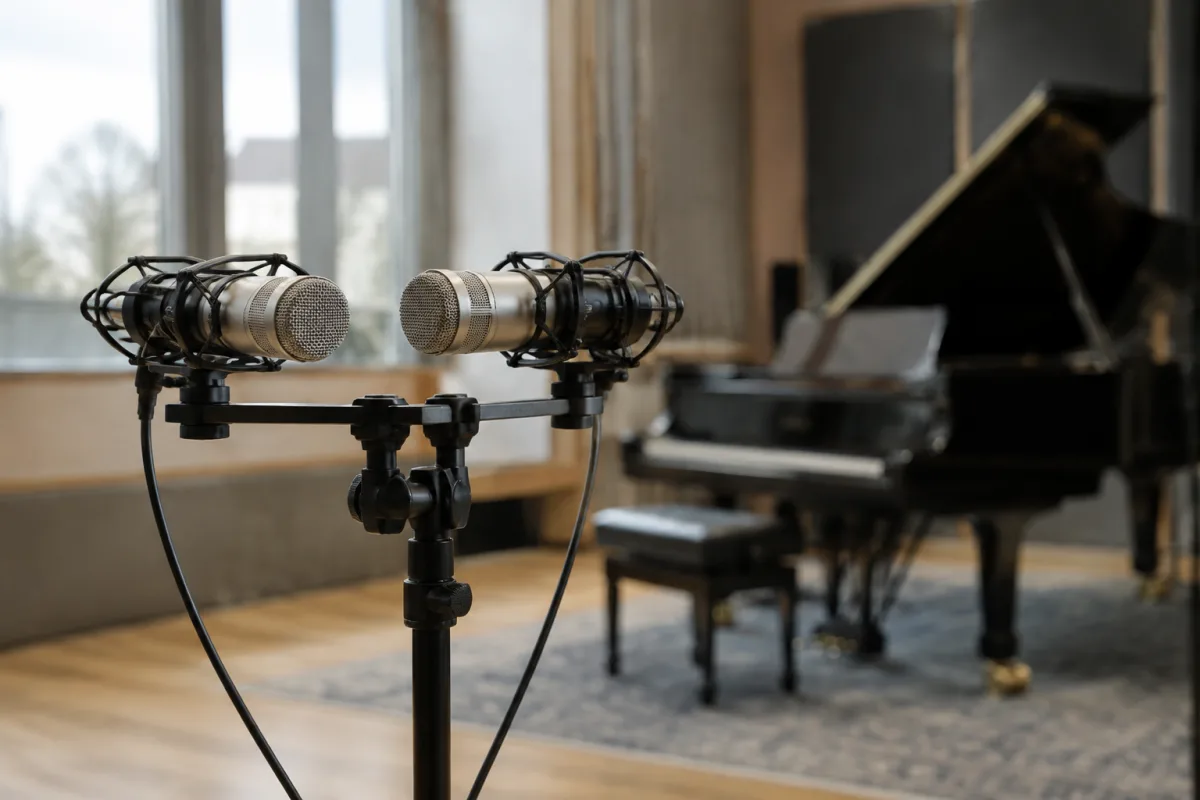
Buying a stereo microphone can feel overwhelming when you're staring at dozens of models with wildly different prices, specifications, and promises. Which one captures the wide, realistic soundstage you need? Which is tough enough for touring or delicate enough for studio work? How do you know you're not overpaying for features you'll never use? This buying guide cuts through the confusion. We'll walk through the specs that actually matter, the pitfalls that trap buyers, and how to shortlist microphones you can confidently purchase.
Understanding Stereo Microphone Specifications
Before shopping, you need to understand what the specifications mean. Ignore the marketing language and focus on these measurable facts:
- Microphone pattern: Most stereo microphones use one of two patterns: XY (where two cardioid capsules are positioned at a 90-degree angle) or mid-side (MS, which captures a centre and ambient component). XY gives you a natural, precise stereo image. MS is more flexible in post-production and suited for classical recording. Which you choose depends on your recording subject—check reviews to see what real users capture with each pattern.
- Frequency response: This tells you which frequencies the microphone captures well. A range of 20 Hz to 20 kHz covers the full human hearing spectrum and is considered professional. Narrower ranges (say, 50 Hz to 16 kHz) might be cheap but will miss low rumble or high sparkle. Look for a flat response in the mid-range where most instruments sit.
- Sensitivity: Measured in dBV/Pa, this indicates how loud a sound must be to register. Higher sensitivity (closer to 0 dBV/Pa) means the microphone picks up quieter sounds. Lower sensitivity (more negative, like -30 dBV/Pa) works better with very loud sources. For general use, anything between -20 and -30 dBV/Pa is practical.
- Maximum SPL (Sound Pressure Level): This is the loudest sound the microphone can handle without distorting. For studio work, 120 dB SPL is sufficient. For live instruments or drum kits, look for 130 dB SPL or higher to avoid clipping.
- Self-noise (noise floor): Every microphone produces a tiny amount of hiss. Lower is better. Below 20 dB SPL is considered quiet; anything below 15 dB is excellent and worth paying extra for if you record very quiet sources.
Connector Types: A Practical Consideration
Stereo microphones use different connectors, and this choice affects your workflow:
- 3.5 mm jack (mini-jack): Common on portable recorders and USB interfaces. Compact but prone to connection wobble. Check that cables are high quality.
- 3-pin XLR: The professional studio standard. Balanced audio, secure locking connection, and excellent shielding against interference. If you're building or upgrading a studio, this is the connector you want.
- USB: Direct to computer without an audio interface. Convenient for podcasting or video. The trade-off is less flexibility in a larger setup and potential latency issues with monitoring.
- Wireless options: Digital frequency-hopping transmission. Ideal for live recording and location work. Quality varies wildly—budget wireless is unreliable; premium wireless sounds excellent but costs accordingly.
Your equipment ecosystem determines the best choice. Don't buy a stereo microphone with an XLR connector if your entire rig uses mini-jack inputs—you'll spend as much on adapters as you would on a compatible microphone.
Build Quality and Materials
This is where budget recorders start to show their limitations. Look closely at:
- Capsule construction: Condenser capsules (found in most stereo microphones) need careful handling. Metal grilles and shock mounts protect them from damage. If you'll transport the microphone regularly or record in challenging environments, prioritise robust construction.
- Grille material: Steel mesh grilles withstand abuse. Plastic or thin metal grilles dent easily and can change the microphone's tonal character. Studio microphones often use elegant designs that look delicate—they are. Handle accordingly.
- Internal components: You can't see these, but reviews from long-term users reveal which microphones last. Cheap microphones develop crackling contacts or failed capsules within months. Mid-range and premium options typically survive years of use.
- Power requirements: Stereo microphones usually need phantom power (48V) supplied by your audio interface or mixer. Battery-powered options exist but are rare. Know your power source before committing.
The Stereo Microphone Buying Guide by Use Case
Different applications demand different priorities:
Studio recording of acoustic instruments: Prioritise low self-noise, balanced frequency response, and a precise stereo image. XY configuration usually works brilliantly. Budget tier (£200–400) will impress you; premium tier (£800+) adds subtle richness but requires careful technique to justify the cost.
Location recording and travel: You need durability, compact size, and practical connectivity. Rugged construction and clear sound matter more than perfectly flat frequency response. Budget tier (£150–300) is completely adequate. Ensure your cables are shielded; location recording introduces electrical noise that cheap cables amplify.
Podcasting and spoken word: You don't need expensive stereo microphones here. Most podcast setups use cardioid dynamic microphones. If you do choose stereo, focus on ease of setup and USB connectivity. Budget tier (£80–200) is perfect. Professional stereo microphones are overkill.
Drum recording and loud sources: High maximum SPL and rugged construction are non-negotiable. Look for 130+ dB SPL rating and professional-grade shock mounts included. Mid-range tier (£400–800) typically offers the durability and specs you need without spending premium prices.
Classical and orchestral recording: Low self-noise, wide frequency response, and a natural stereo image matter enormously. Premium tier microphones (£600+) are worth the investment here because the subtlety justifies the cost. Mid-side configuration gives you maximum flexibility in the mixing stage.
Common Buying Mistakes to Avoid
These errors waste money or lead to buyer's remorse:
- Choosing based on brand alone: Prestige microphone manufacturers make excellent products, but so do smaller companies. Read user reviews from people recording the same material you will. Brand matters less than fit-for-purpose.
- Assuming more expensive always means better: A £1000 stereo microphone is not five times better than a £200 model. Diminishing returns kick in hard above mid-range prices. Buy the cheapest option that meets your specifications, not the most expensive.
- Overlooking polar patterns in reviews: A microphone that sounds amazing in a YouTube demo might perform poorly in your room. Watch multiple reviews recorded in different environments. Listen for handling noise and proximity effect (bass bloat when sources are close).
- Forgetting about shock mounts and pop filters: These cost £20–60 but transform recordings by reducing vibration and plosive noise. Budget for them in your total cost. A premium microphone with inadequate shock mounting sounds worse than a mid-range microphone properly isolated.
- Buying without considering your audio interface: A stereo microphone's full potential depends on your preamp, converter, and cabling. Investing in a £600 microphone while using a budget audio interface is false economy. Spend proportionally across your entire chain.
- Ignoring return policies: Reputable retailers offer 14–30 day returns. Before committing to a microphone, verify you can return it if it doesn't suit your room or technique. This safety net is worth paying slightly more for.
Specifications Comparison Table
| Use Case | Recommended Max Price | Must-Have Specs | Pattern Type |
|---|---|---|---|
| Studio acoustic recording | £600 | 20–20 kHz range, low self-noise (<15 dB) | XY or MS |
| Location recording | £350 | 130+ dB SPL, rugged housing | XY |
| Drum recording | £500 | 130+ dB SPL, 20–20 kHz range | XY |
| Podcasting | £200 | USB input, ease of use | Any |
| Classical/orchestral | £800+ | Low noise, flat response, flexible pattern | MS preferred |
Making Your Final Decision
Shortlist three or four microphones that meet your specifications and budget. Read detailed user reviews—not marketing copy. Watch video demonstrations where the microphone is actually used recording the type of material you'll record. Check the return policy. And crucially, think about your full recording chain: your audio interface, your cabling, your room acoustics, and your technique all matter as much as the microphone itself.
For a comprehensive overview of stereo microphone types, technologies, and how they compare, explore the complete guide to stereo microphones. But when you're ready to buy, use this guide to know exactly what you're paying for and why.
Ready to Buy?
Take your time. A stereo microphone isn't a rushed purchase, and getting it right saves frustration and money. Use this buying guide to evaluate options objectively, focus on specs that match your recording needs, avoid the common pitfalls, and make a choice you'll be happy with for years to come.


Comments