


Lewitt Mics article
Lewitt Mics for Beginners: A Complete Guide
LEWITT microphones are professional-grade tools trusted in studios worldwide. This beginner's guide explains which mic suits your needs and how to set up properly.
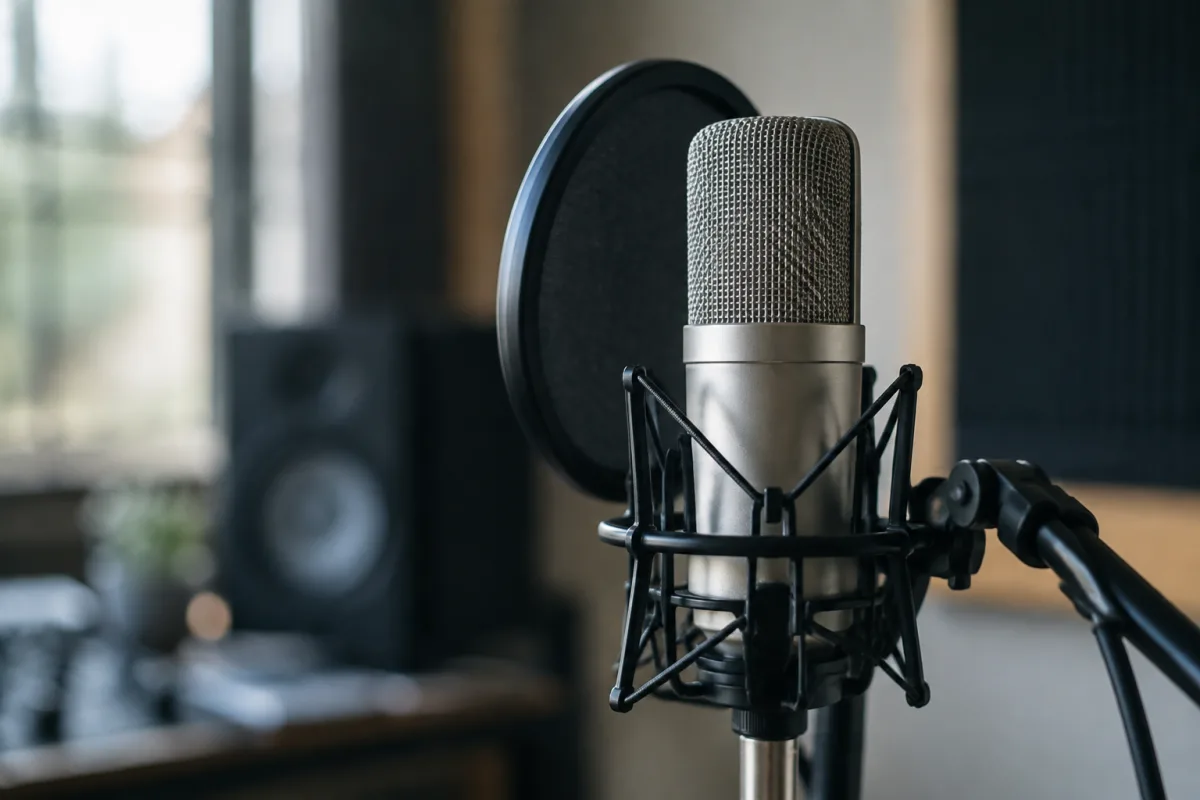
LEWITT mics are professional-grade microphones trusted by recording studios and live sound engineers worldwide. If you're stepping up from a cheap USB microphone to something better, LEWITT is a serious contender. This beginner's guide explains what makes LEWITT microphones special, which ones suit different situations, and how to choose your first LEWITT mic without overspending.
What Makes LEWITT Microphones Different
LEWITT is an Austrian microphone manufacturer known for precision engineering, clarity, and reliability. They make three main categories of microphones:
- Condenser microphones: Bright, detailed, and sensitive. Used for vocals, acoustic instruments, and overhead drum recording in studios.
- Dynamic microphones: Rugged, less sensitive, good at isolating the source. Used for live sound, drums, and loud instruments.
- Lavalier/wireless microphones: For live performance and broadcast applications.
LEWITT mics are known for honest, uncoloured sound—they capture what's actually there without flattery or hype. They're also built to last. A LEWITT mic bought today could be working twenty years from now.
Key Characteristics of LEWITT Mics
Before diving into specific models, understand what separates LEWITT from cheaper alternatives:
Sound Quality
LEWITT microphones have a detailed, clear response. You hear everything—the good parts and the flaws. This is honesty, and it's what engineers love. A cheap microphone might sound "nice" because it hides problems; a LEWITT mic will reveal them, making you a better performer or engineer.
Build Quality
LEWITT mics use quality materials (metal bodies, not plastic) and solid internal design. They handle dropping, moisture, and hard use without breaking. In studios and live sound venues, this durability matters.
Versatility
Most LEWITT mics work in multiple situations. A studio condenser can be used for vocals or instruments; a live dynamic works on a kick drum or a guitar amp. This versatility means one mic often covers several needs.
Common LEWITT Mic Types for Beginners
LCT 240 (Condenser)
This is a popular entry point for studio recording. It's bright and detailed, perfect for vocals and acoustic instruments. At around £200–300, it's affordable for a quality condenser. If you're setting up a home studio, this is a sensible starting mic.
LCT 040 (Large-Diaphragm Condenser)
Larger-diaphragm condensers capture a warmer, fuller tone. The LCT 040 is a mid-range LEWITT condenser, good for vocals that need character. Slightly more expensive than the 240, but many prefer the tone for singing.
DM 4 (Dynamic)
For live sound or drum recording, the DM 4 is an affordable dynamic microphone. It's rugged, rejects feedback well, and sounds good on anything from drums to vocals. If you're doing live sound or podcasting, this is worth considering.
LCT 140 (Omnidirectional Condenser)
This picks up sound equally from all directions, making it ideal for room ambience, acoustic ensembles, or overhead drum recording. Less common for vocals, but essential for certain applications.
Choosing Your First LEWITT Mic
Before buying a LEWITT microphone, ask yourself: what will I record?
- Vocals in a bedroom or home studio: LCT 240 or LCT 040 (condenser). Condensers pick up detail and are forgiving with mic technique.
- Live performance or podcasting: DM 4 (dynamic). Dynamics are rugged and reject background noise.
- Acoustic instruments (guitar, piano, strings): LCT 240 (condenser). Captures the detail and resonance.
- Drum recording or amplifier mic: DM 4 (dynamic). Built to handle loud sources.
Most beginners start with a single condenser microphone. It works for vocals and instruments, and it's easier to use than a dynamic (fewer placement issues). A LEWITT condenser is a solid first investment.
What Beginners Often Miss
When considering LEWITT mics, remember:
- A good mic is only half the battle: You also need a decent microphone preamp (the device that makes the mic signal loud enough) and an audio interface. A £300 LEWITT mic into a cheap £50 audio interface sounds worse than that same mic into a good £150 interface. Budget accordingly.
- Condensers require power (phantom power): Most LEWITT condensers need 48V phantom power to operate. Your audio interface or mixer must provide this. It's standard on any professional interface, but some cheap interfaces don't have it.
- Microphone technique matters as much as the mic itself: A beautiful mic used poorly sounds ordinary. A modest mic used well sounds great. Spend time learning proper mic technique (distance, angle, handling).
- Room acoustics matter:** A LEWITT mic in a completely untreated room (all hard surfaces, no soft furnishings) will sound harsh. Add blankets, curtains, or acoustic foam to improve sound. The mic isn't the problem; the room is.
Common Beginner Mistakes
- Buying a LEWITT mic without an audio interface: The mic is only one part of the chain. You need an interface with phantom power and good preamps. Don't skimp here.
- Placing the microphone too close to the mouth: This causes plosives (harsh "P" and "B" sounds). Angle the mic slightly off-axis (45 degrees, not directly facing you) and position it 6–12 inches away, depending on the mic.
- Assuming a better mic means better recordings without changing anything else: If your room is untreated, you'll hear every echo and reflection. A LEWITT mic will capture this ruthlessly. Treat the room first, then buy the mic.
- Not using a pop filter:** A LEWITT condenser picks up plosives and sibilance clearly. A pop filter (£15–30) solves this. It's not optional; it's essential for vocals.
- Leaving the microphone on a cheap stand:** A wobbly stand causes cable vibrations and unwanted noise. Invest in a good stand or shock mount (£30–60). It makes a noticeable difference.
Budget Considerations
A realistic budget for a beginner LEWITT setup:
- LEWITT microphone: £200–400
- Audio interface (with phantom power): £100–250
- Microphone stand or boom arm: £30–100
- Pop filter: £15–30
- Cables and adapters: £20–50
- Total: £365–830
You don't need to spend £800. A LEWITT LCT 240, a mid-range interface, a basic stand, and a pop filter will run about £450 and deliver professional-quality recording. This is genuinely good value for a complete system.
Where to Buy and What to Look For
Buy LEWITT mics from established retailers (music shops, online distributors). Check:
- Return policy: Can you return or exchange the mic if it doesn't suit your needs?
- Warranty: LEWITT mics typically come with a 2–5 year warranty. Verify this.
- Included accessories: Some packages include a stand or shock mount; others don't. Know what you're getting.
Buying used can save money, but inspect the mic carefully for damage or wear. Test it before committing to a used purchase.
Your Next Steps
If you're serious about recording, watching YouTube comparisons and reviews of LEWITT mics is helpful. Listen to sound samples and see which tone appeals to you. Then commit to one model, set up a proper chain (mic + interface + stand + pop filter), and spend time learning mic technique. For a detailed technical breakdown of LEWITT microphone specifications and models, see our complete guide to LEWITT mics.
Conclusion
LEWITT microphones are a significant step up from beginner USB mics, but they're not mysterious. Choose one that suits your primary use (vocals, live sound, instruments), invest in a proper setup around it, and learn good technique. Within weeks, you'll be recording with professional-quality clarity and reliability.


Comments