


Lewitt Mics Buying guide
Lewitt Mics: A Complete Buyer's Guide
Know what to look for when buying LEWITT mics. Understand key specifications, price tiers, and what to check before committing to a microphone purchase.
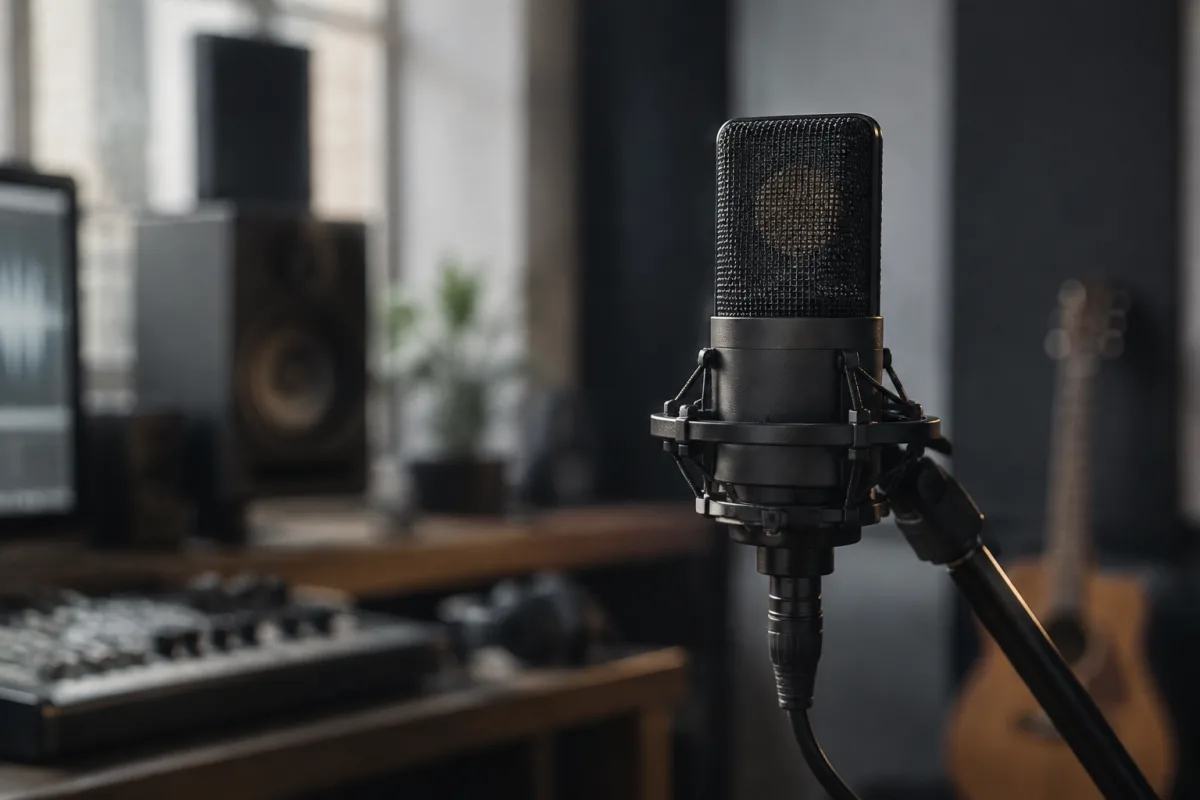
Evaluating LEWITT mics for your studio requires understanding specifications that actually matter versus marketing noise. The LEWITT range spans from entry-level podcasting options to professional recording instruments, and knowing what separates value from premium pricing prevents expensive mistakes.
Key Specifications for LEWITT Microphones
Before comparing specific LEWITT mics models, understand the fundamental specs that determine performance characteristics and value.
Microphone type and polar pattern: LEWITT mics come as condenser (most models), dynamic, and ribbon options. Condensers are sensitive and detailed—excellent for vocals and acoustic instruments. Dynamics handle high SPL better—ideal for drums and loud sources. Polar pattern (cardioid, omnidirectional, figure-8) determines rejection characteristics. LEWITT's flagship mics offer switchable patterns; entry-level models usually have fixed cardioid. Choose based on intended applications.
Frequency response and presence peak: Check the frequency response graph. LEWITT mics typically show detailed response curves. A presence peak (usually 4-8 kHz) adds clarity for vocals. Flat response suits mixing and reference recording. LEWITT mics generally offer presence peaks for recording vocals, which works brilliantly for that purpose but matters less for music production use.
Self-noise specifications: Measured in dB-A, self-noise indicates how much hiss the microphone generates internally. LEWITT mics typically feature low self-noise (under 20 dB-A for professional models), meaning cleaner recordings without artificial hiss. For vocal recording, anything under 25 dB-A is acceptable. For ambient recording or quiet sources, lower is better.
Maximum SPL (sound pressure level): How loud a signal can the LEWITT mics handle before clipping? Professional LEWITT mics typically handle 140+ dB SPL, sufficient for any audio source without distortion. Budget LEWITT mics might handle lower SPL. For studio recording (not live sound), this matters less than for versatile use.
Sensitivity and output impedance: Higher sensitivity (more output for same input volume) means cleaner recordings on preamps with lower noise floors. LEWITT mics typically offer moderate to high sensitivity. Output impedance should be low (under 200 ohms). Check these specs if you're using budget preamps—better specs help.
LEWITT Microphone Price Tiers
LEWITT's product line spans clearly defined pricing that correlates with feature set and build quality.
Entry-level tier (£150-300): LEWITT mics like the LCT 040 MATCH offer excellent value for podcasting and casual recording. Fixed cardioid pattern, solid frequency response, lightweight build. These LEWITT mics sound professional but lack advanced features. Buy here if you're testing the brand or have limited budget.
Mid-range tier (£400-800): LEWITT mics at this level (LCT 440 PURE, LCT 240 DARK) offer switchable patterns, more detailed construction, improved frequency response tailoring. These LEWITT mics suit serious home recording and small studio use. The value-to-quality jump is significant here. Professional users often prefer mid-range LEWITT mics for specific applications.
Professional tier (£1000+): LEWITT mics like the LCT 241 or LCT 440 PRO represent premium build and maximum flexibility. Switchable patterns, custom capsule options, exceptional specs. These LEWITT mics justify the premium through specialisation—hire for specific critical recording sessions rather than owning permanently unless you're running a professional studio.
Determining Your LEWITT Mics Requirements
Before comparing models, clarify your intended use. LEWITT mics suit different purposes differently.
For vocal recording: LEWITT mics with presence peak (most models) excel at capturing vocal detail. The LCT 440 PURE or LCT 040 MATCH provide excellent vocal presence without excessive price.
For instrument recording: Consider the instrument. LEWITT mics work brilliantly on acoustic guitar, strings, and room mics. For kick drums or hi-hat, a dynamic LEWITT mics option (if available) might be more appropriate, though condenser LEWITT mics still work.
For podcasting or speech: Entry-level LEWITT mics like the LCT 040 PRO or basic LCT 040 work perfectly. Presence peak helps voice clarity. You don't need expensive LEWITT mics for speech recording—mid-range features suffice.
For mixing and mastering: Reference-grade LEWITT mics with flat or subtle response matter here. Not all LEWITT mics suit this purpose equally. Check frequency response specifically before committing.
Physical Inspection and Testing LEWITT Mics
Before committing budget, physically inspect and test LEWITT mics when possible.
Build quality assessment: LEWITT mics feel solid and well-manufactured. Check for loose components or rattle in the casing. Inspect the capsule grille for dents or damage. LEWITT mics with switchable patterns should have responsive switches with clear click feedback. Budget LEWITT mics feel slightly plasticky but shouldn't feel cheap.
Audio test: Record voice and acoustic instruments through the LEWITT mics. Does the presence peak suit your voice? Does the transient response feel fast enough? LEWITT mics typically respond transparently, so performance variations indicate personal preference rather than quality differences.
Connector and shock mount compatibility: LEWITT mics typically ship with XLR connectors and standard shock mount threads. Verify compatibility with your preamp and microphone boom arm before purchase. Rare compatibility issues exist but are easily identified during inspection.
Common Pitfalls When Buying LEWITT Mics
Pitfall #1: Assuming Brand Premium Justifies Overpaying
LEWITT's reputation is deserved, but don't overpay for the name. Compare LEWITT mics specs against competitors in the same price tier. You might find equivalent performance elsewhere for less. Brand loyalty is comfortable but economically inefficient.
Pitfall #2: Buying Professional LEWITT Mics Without Justifying the Cost
Premium LEWITT mics are exceptional, but unless you have specific professional requirements (film scoring, classical recording, critical mastering), mid-range LEWITT mics deliver 90% of the performance for 50% of the cost. Avoid premium tier unless you can articulate why the extra £500+ matters for your workflow.
Pitfall #3: Ignoring Preamp Quality
LEWITT mics are only as good as their preamp. A budget preamp with high noise floor degrades quality significantly. If you're investing in LEWITT mics, budget accordingly for a decent interface or preamp (£200+). LEWITT mics reveal preamp weaknesses ruthlessly.
Pitfall #4: Not Testing Microphone Placement
LEWITT mics' performance depends enormously on room acoustics and placement. Don't assume the specifications guarantee results in your space. Budget time for experimenting with placement and room treatment. LEWITT mics' transparency means poor room conditions become obvious.
Pitfall #5: Buying Multiple LEWITT Mics Assuming Each Suits All Purposes
LEWITT mics offer specialisation. The LCT 440 DARK isn't ideal for vocals. The LCT 040 MATCH isn't ideal for dark, intimate recording. Choose LEWITT mics aligned with your primary use, then supplement if needed. Avoid assuming one LEWITT mics model solves every problem.
Pitfall #6: Underestimating Acoustic Conditioning Necessity
LEWITT mics' sensitivity reveals every acoustic flaw. If you're recording in an untreated room, LEWITT mics won't rescue the situation. Budget for acoustic treatment alongside LEWITT mics investment. A mid-range LEWITT mics in treated space outperforms premium LEWITT mics in bad acoustics.
New vs. Used LEWITT Mics Strategy
LEWITT mics hold value reasonably well. Used professional LEWITT mics can offer 20-30% savings compared to new, with minimal risk if purchased from reputable sellers. Inspect for mechanical damage and verify functionality before committing.
Entry-level LEWITT mics depreciate more rapidly, making new purchase more economical than used. For professional models, used LEWITT mics present genuine value if you verify condition thoroughly.
Compatibility Considerations for LEWITT Mics
LEWITT mics work with any standard XLR audio interface or preamp. No unusual compatibility issues exist. However, phantom power (standard on all LEWITT mics) must be available. Verify your interface supports phantom power before purchase. Most modern audio interfaces do, but older equipment might require separate phantom supply.
Final Purchasing Checklist for LEWITT Mics
- Confirm intended application aligns with LEWITT mics model polar pattern and frequency response
- Verify frequency response graph suits your use case
- Check self-noise specs against your audio interface's noise floor
- Test LEWITT mics with your voice or instruments if possible
- Confirm XLR and standard shock mount compatibility
- Verify phantom power availability on your interface
- Assess room acoustics and plan treatment before committing to premium LEWITT mics
- Compare LEWITT mics specs against competitors at the same price point
- Budget appropriately for quality preamp alongside LEWITT mics purchase
- For used LEWITT mics, verify mechanical condition and functionality thoroughly
For more comprehensive technical information about LEWITT mics specifications, detailed comparisons between models, and guidance on matching LEWITT mics to specific recording scenarios, the complete guide to LEWITT mics covers everything in depth. Use this buying guide as your framework when evaluating options.


Comments