


Microphone for Amp Buying guide
Microphone For Amp: A Complete Buyer's Guide
Choosing the right microphone for amp recording shapes your captured tone dramatically. This guide covers microphone types, specifications, price tiers, and what to avoid when selecting a microphone for amp use.
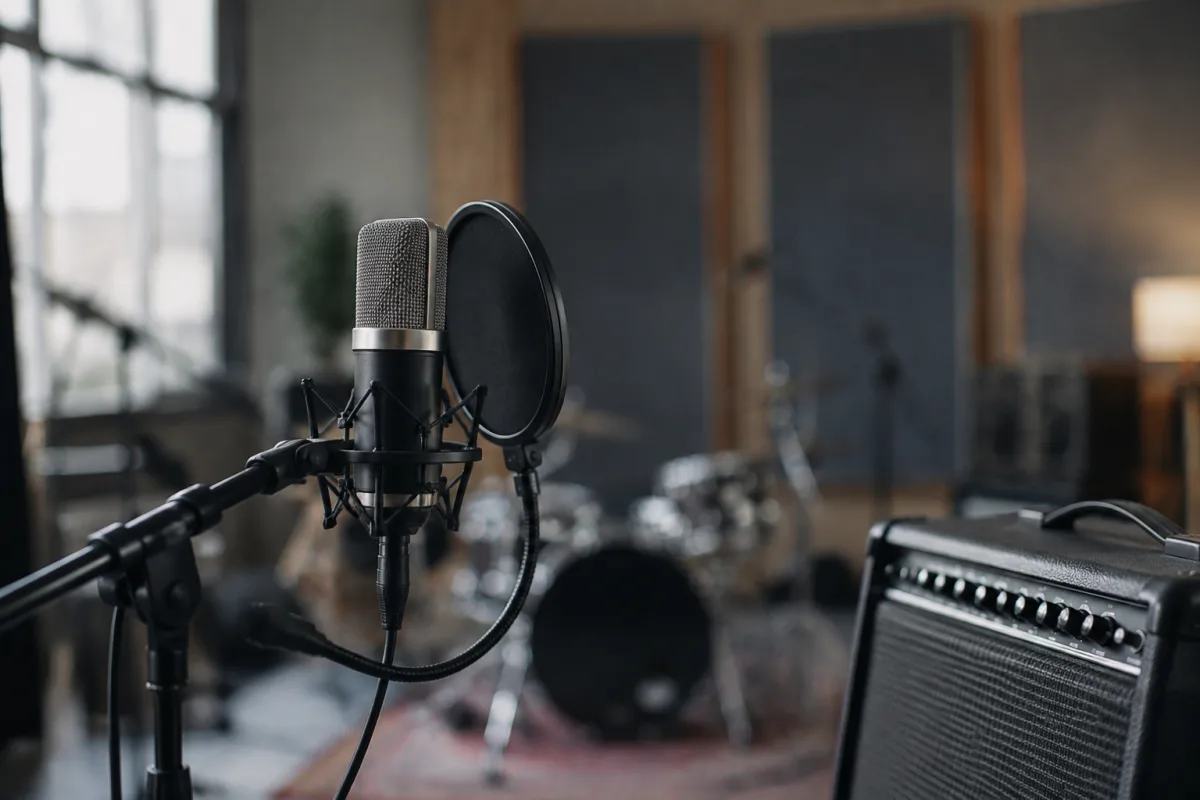
Miking an amplifier properly begins with choosing the right microphone. Whether you're recording a guitar amplifier, bass amp, or keyboard amp, the microphone you select dramatically shapes the captured tone. This guide focuses on practical buying considerations—which microphone specifications matter, what to expect at different price points, and how to avoid costly mistakes when purchasing a microphone for amp recording.
Understanding Microphone Types for Amp Recording
Most microphone for amp applications use dynamic microphones. Dynamic microphones handle high sound pressure levels, resist feedback, and capture the aggressive character that amps naturally produce. Condenser microphones offer superior clarity and detail but require more careful placement and can feedback if positioned incorrectly. Ribbon microphones deliver a warm, vintage character but demand gentle handling and careful mic placement. When buying a microphone for amp use, understanding these categories narrows your options considerably. For a comprehensive overview of microphone technology and how it applies to amp recording, read our complete guide to microphones for amps.
Each microphone for amp recording type suits different musical styles. Hard rock and metal players often prefer dynamic microphones for amp recording due to their aggressive character. Jazz and studio recording contexts benefit from the clarity a quality condenser microphone for amp work provides. Vintage-seeking producers value ribbon microphones for amp recording despite their delicate nature. Your musical genre influences which microphone for amp recording makes sense.
Frequency Response Considerations
A quality microphone for amp use typically emphasises presence in the upper midrange—around 2–5 kHz. This presence peak makes amp recordings cut through mixes and project clarity. Some microphones for amp recording add additional peaks at higher frequencies for air and shimmer.
Lower frequency response varies dramatically across microphones for amp applications. A microphone for amp work designed to capture only the useful frequencies might roll off heavily below 50 Hz, eliminating boxy rumble. Other microphones for amp recording capture the full low-end, requiring careful EQ during mixing. Understand what your chosen microphone for amp use does below 100 Hz—this choice defines whether your recordings sound fat or muddy.
Proximity and Off-Axis Response
Proximity effect—where bass frequencies increase as you move closer to a microphone—is crucial when choosing a microphone for amp recording. Some microphones for amp use exhibit extreme proximity effect, which can sound muddy if miked too close. Others minimise it, providing consistent tone across different distances. A quality microphone for amp work offers controlled proximity effect that adds warmth without overwhelming.
Off-axis response determines how a microphone for amp recording sounds when positioned at angles rather than directly on-axis. Directional microphones for amp use (cardioid pattern) reject off-axis sound, useful for isolating the amp from room reflections. A microphone for amp recording with smooth off-axis response handles positioning errors gracefully.
Build Quality and Durability
Studio microphones for amp recording don't need road-touring durability, but they do need reliability. A quality microphone for amp use should feature sealed construction that resists dust and moisture. Metal mesh windscreens on a microphone for amp work protect against accidental pops and impacts. Check whether your chosen microphone for amp application includes a solid stand adapter—cheap microphones for amp mounting sometimes use flimsy clips that slip.
Ribbon microphones for amp recording demand especially careful handling. These microphones for amp use can damage permanently if phantom power is accidentally applied. If you're considering ribbon microphones for amp work, verify your preamp or interface has proper ribbon mic support.
Sensitivity and Noise Floor
Microphone for amp applications don't require extreme sensitivity since amps produce plenty of sound. However, a microphone for amp use with adequate sensitivity (around 20–30 mV/Pa) performs well with typical audio interfaces. Check that your chosen microphone for amp work specifies noise floor specifications—for amp recording, anything under 30 dB SPL is acceptable.
High microphones for amp recording sensitivity isn't inherently better. A less sensitive microphone for amp use paired with a good preamp often captures cleaner signal than an overly sensitive microphone for amp work that requires phantom power management.
Price Ranges and Performance Tiers
Budget microphones for amp recording (£30–£80) deliver surprising quality for bedroom recording. A microphone for amp use at this price captures recognisable amp tone adequately. Mid-range microphones for amp applications (£80–£250) offer noticeably better detail and presence, making them ideal for serious hobbyists. Professional microphones for amp recording (£250+) provide studio-quality capture suitable for commercial releases.
A microphone for amp work doesn't need to be expensive to sound good. Many successful recordings use microphones for amp use that cost under £150. Research which specific microphone for amp recording fits your genre and budget rather than assuming premium pricing ensures quality.
Common Mistakes When Buying
Choosing a microphone for amp recording based on studio vocal use is misguided. Vocal microphones for amp recording contexts perform differently from specialised microphones for amp applications. What works for singing may sound thin or unpleasant miking an amplifier.
Neglecting to consider cable quality when purchasing a microphone for amp work wastes money. Cheap cables degrade signal quality. Buy your microphone for amp use alongside quality cabling rated for low-impedance mic signals.
Assuming a more expensive microphone for amp recording automatically suits your amp better ignores genre and application context. A £500 ribbon microphone for amp recording may underperform a £100 dynamic microphone for amp work in hard rock settings.
Purchasing a microphone for amp application without testing placement flexibility means discovering limitations too late. Some microphones for amp recording work beautifully on-axis but sound inferior off-axis, limiting positioning options.
Making Your Final Purchase Decision
Before buying a microphone for amp recording, listen to samples. Many manufacturers provide recordings demonstrating how their microphone for amp use sounds across different amplifiers. Audio review sites often feature microphone for amp comparisons with audio clips.
Consider renting before buying if the microphone for amp investment feels substantial. Testing a microphone for amp work with your specific gear eliminates uncertainty and prevents expensive mistakes.
Start with a quality microphone for amp recording in the £80–£150 range. This price tier offers reliable performance that satisfies most requirements. As your recording craft develops, you'll understand which microphone for amp characteristics matter for your particular musical context, allowing informed upgrading later.
The best microphone for amp recording isn't necessarily the most expensive or most praised. It's the one that captures your amp's character in a way that inspires you, suits your budget, and fits your recording setup. That microphone for amp work is worth its cost every time you use it.



Comments