


Microphone and Amplifier article
The Complete Guide to Microphone And Amplifier
Microphone and amplifier systems work as integrated audio chains. Discover how to select combinations that work well together.
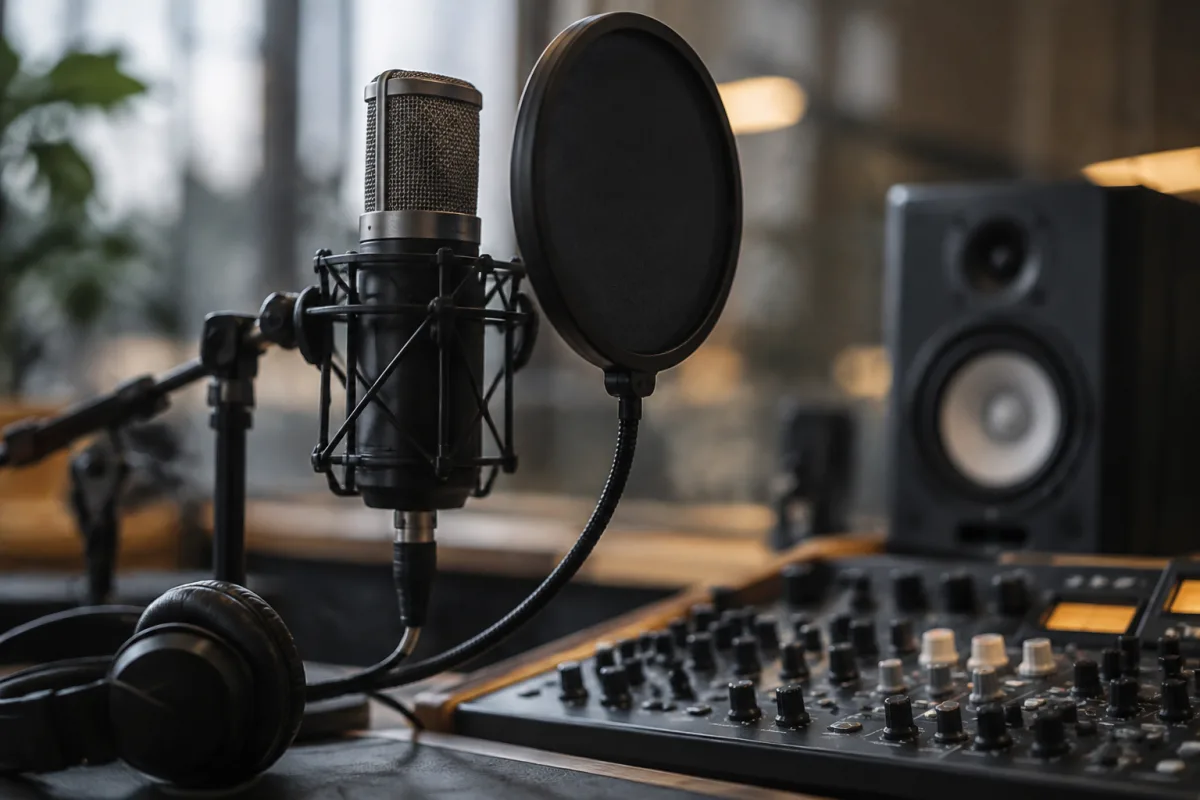
Microphone and amplifier combinations define how musicians are heard, whether performing live or recording in studios. The symbiotic relationship between microphone and amplifier technology shapes sonic character, frequency response and overall performance quality. Whether you're recording vocals, capturing instrument tone or amplifying sound at venues, understanding microphone and amplifier interaction proves essential. This comprehensive guide explores how microphones and amplifiers work together, their technical interplay and selecting optimal combinations for your needs.
Understanding Microphone and Amplifier Relationship
A microphone and amplifier system functions as integrated audio chain. The microphone captures acoustic energy and converts it to electrical signals. The amplifier then processes and amplifies these signals for recording, reinforcement or monitoring. Each component influences the final result—the microphone determines what gets captured, whilst the amplifier shapes how captured signals are presented.
Optimal microphone and amplifier pairing requires understanding how each component responds to particular signals. A microphone selecting frequencies requires an amplifier capable of faithfully reproducing those frequencies. This interdependence means microphone and amplifier selection cannot happen in isolation.
Microphone Types and Characteristics
Dynamic Microphones
Dynamic microphones excel at capturing high-energy sources like drums and guitar amplifiers. Their durable construction and built-in presence peak make them ideal stage instruments. Dynamic microphones work well with virtually any amplifier, though output levels vary by model.
Condenser Microphones
Condenser microphones provide extended frequency response and sensitivity suitable for vocal and acoustic instrument recording. These microphones require phantom power—typically provided by recording interfaces or microphone preamp amplifiers. Condenser microphones demand careful amplifier matching due to their sensitivity and detailed frequency characteristics.
Amplifier Types and Functions
Microphone Preamplifiers
Microphone preamplifier amplifiers condition microphone signals, providing gain and impedance matching between microphone and downstream equipment. Quality microphone and amplifier pairing starts here—a superior preamplifier amplifier reveals microphone capabilities. Inferior amplifier preamplifiers obscure even excellent microphone performance.
Power Amplifiers
Power amplifiers drive speakers for sound reinforcement. The microphone and amplifier relationship extends through power amplification stages. A microphone capturing natural tone requires amplifier chain accurately reproducing captured subtleties.
Technical Compatibility
Impedance Matching
Microphone and amplifier impedance matching affects frequency response and signal transfer efficiency. Modern microphone and amplifier designs handle impedance variations well, but understanding impedance improves microphone and amplifier pairing success. Professional systems carefully specify impedance compatibility.
Frequency Response Coordination
A microphone capturing specific frequency characteristics requires amplifier faithfully reproducing those frequencies. Microphone and amplifier frequency response profiles should complement your application. Bright microphones paired with presence-peaked amplifiers might sound exaggerated; dark microphones with dark amplifiers sacrifice clarity.
Live Performance Applications
Stage Microphone and Amplifier Setups
Live sound applications require robust microphone and amplifier systems handling high-output scenarios. Dynamic microphones excel for stage vocals, paired with reliable preamplifier amplifiers offering phantom power and robust construction. Feedback control and gain stability become critical in live microphone and amplifier systems.
Instrument Amplification
Guitar and bass amplifiers serve dual functions as preamplifier amplifiers and power amplifiers. Choosing microphones to capture amplifier tone requires understanding how microphone and amplifier interact acoustically. Microphone placement relative to speaker cones dramatically affects captured tone from microphone and amplifier combinations.
Recording Studio Microphone and Amplifier Systems
Vocal Recording
Vocal microphone and amplifier selection represents critical studio decision. Choosing microphones suitable for particular vocal types, paired with appropriate preamp amplifiers for tonal shaping, determines recording quality. Professional studios maintain diverse microphone and amplifier options for flexibility.
Instrument Recording
Recording acoustic instruments requires careful microphone and amplifier selection. Different instrument families benefit from different microphone and amplifier combinations. Acoustic guitar recording, cello capture and drum recording each demand optimised microphone and amplifier pairings.
Troubleshooting Microphone and Amplifier Issues
Noise and Interference
Microphone and amplifier systems picking up unwanted noise require systematic troubleshooting. Phantom power issues, cable problems and amplifier noise floors all affect microphone and amplifier performance. Identify problems systematically by isolating microphone and amplifier chain components.
Conclusion
Understanding microphone and amplifier interaction fundamentally improves audio capture and reinforcement. Whether recording or performing live, optimal microphone and amplifier pairing maximises signal quality and performance capability. By considering microphone type, amplifier characteristics and application requirements, you'll select microphone and amplifier combinations that transform your audio capabilities, delivering professional results whether in studios or on stages.


Comments