


Cable Microphone article
The Complete Guide to Cable Microphone
Cable microphones deliver clarity and reliability for vocals, theatre and professional recording. Explore types, setup techniques and how to choose the right model for your application.
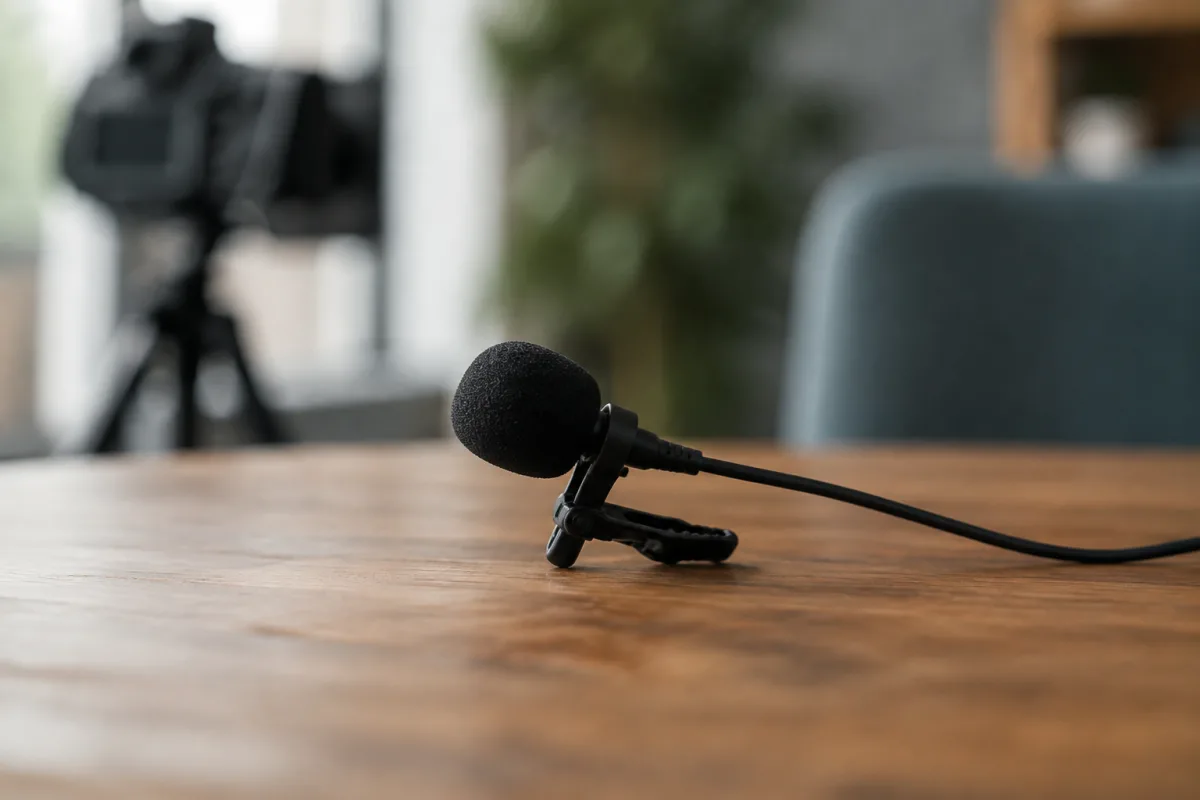
Cable microphones, commonly known as lavalier or lapel microphones, represent a specialised category of compact audio capture devices favoured by performers, public speakers and content creators. These diminutive yet powerful microphones deliver remarkable clarity and proximity to the source, making them indispensable for live performances, interviews and professional video production. Understanding how cable microphones work and choosing the right model can elevate your audio quality significantly.
Understanding Cable Microphones
A cable microphone typically refers to a microphone with an integral cable or a microphone designed to be connected via a hardwired cable connection, as opposed to wireless systems. The term most commonly describes lavalier or lapel microphones used in theatre, live events and broadcast environments, where the microphone is mounted on the performer's clothing or body to capture vocals or speech from proximity.
Cable microphones offer several inherent advantages over wireless alternatives. They eliminate the need for batteries, provide consistent signal without dropout risk and maintain a direct, shielded connection to your audio interface or mixing console. For critical applications where reliability is paramount, a good cable microphone remains the professional choice.
Types and Configurations
Cable microphones come in several popular configurations, each suited to different applications:
- Lavalier/lapel models: Tiny omnidirectional or cardioid capsules designed to clip onto clothing, delivering close-proximity sound ideal for theatre, interviews and podcasting.
- Headset models: Worn around the head with a boom arm positioning the microphone capsule at the mouth, offering hands-free operation for performers, fitness instructors and presenters.
- Condenser cable microphones: Provide superior sensitivity and frequency response, ideal for detailed vocal capture and acoustic instruments in studio and live settings.
- Dynamic cable microphones: Deliver robust construction and better rejection of ambient noise, making them reliable for touring musicians and outdoor events.
- Clip-on models: Simple mounting systems that attach to instrument bells, speaker cabinets or clothing, offering flexibility for multi-source recording.
Sound Characteristics and Frequency Response
Quality cable microphones exhibit carefully tuned frequency responses tailored to their intended use. Vocal-focused cable microphones typically emphasise midrange frequencies where human speech and singing sit, often incorporating a presence peak around 3–5 kHz to ensure intelligibility and definition. Instrument-specific models might boost low-midrange frequencies for bass proximity or high-frequency response for acoustic guitars and percussion.
The proximity effect — a natural bass boost that occurs when any directional microphone is placed very close to a sound source — is particularly pronounced with cable microphones worn on the body. Understanding and compensating for this characteristic ensures your recordings capture your intended tone rather than an exaggerated low end.
Connectivity and Integration
Cable microphones connect to your audio setup via XLR connectors, 3.5mm jack inputs or proprietary connectors depending on the model and intended system. Most professional theatre and broadcast cable microphones utilise standard XLR connections, ensuring compatibility with professional audio interfaces, mixing desks and amplifiers. Consumer-grade models often use 3.5mm jacks, making them suitable for smartphone recording, portable recorders and consumer audio equipment.
When selecting a cable microphone, verify that its connector type matches your existing audio infrastructure. An XLR-to-3.5mm adapter can bridge systems, but direct connectivity is always preferable to avoid potential signal degradation or impedance mismatches.
Choosing the Right Cable Microphone
Selecting an appropriate cable microphone requires consideration of your specific application and environment. Factor in these essential criteria:
- Intended use: Vocals require different characteristics than spoken word; acoustic instruments benefit from different frequency profiles than electric sources.
- Environment: Loud venues demand superior noise rejection; quiet studios benefit from highly sensitive condensers.
- Durability: Theatre performers need rugged construction; studio recording allows for more delicate equipment.
- Comfort: For extended wear, lightweight construction and soft mounting solutions are essential.
- Budget: Entry-level cable microphones suit home recording; professional-grade units justify higher investment through superior components and build quality.
- Frequency response: Study published specifications to ensure the microphone captures the detail you need without unwanted coloration.
Installation and Use
Proper installation of a cable microphone dramatically affects sound quality. Position a lavalier microphone approximately 15–20 cm from the mouth, angled downward, to optimise clarity whilst minimising breath noise and wind noise. Secure it to clothing with the provided clip, ensuring the cable runs along the body to avoid rustling against fabric and creating unwanted mechanical noise.
For headset models, adjust the boom arm so the microphone capsule sits approximately 2–3 cm to the side of your mouth, angled toward your lips. This positioning maximises voice capture whilst preventing plosive distortion from hard consonants.
Maintenance and Care
Cable microphones require minimal maintenance compared to wireless systems, but proper care extends their operational life. Regularly inspect the cable for damage, kinks or bent connectors. After use in humid environments or outdoors, allow the microphone to dry completely before storage. Store cable microphones in a protective pouch or case, keeping the cable loosely coiled to prevent strain on the connection points.
Never forcefully tug the cable when disconnecting; always grip the connector body itself. This simple practice prevents premature connector failure and maintains consistent audio signal integrity.
Conclusion
Cable microphones offer simplicity, reliability and consistent audio quality that wireless systems cannot always guarantee. Whether you're recording vocals for a podcast, capturing dialogue for film, or amplifying a theatre performer's voice, choosing and properly using a quality cable microphone ensures your audio remains clear, professional and dependable. With proper selection, installation and maintenance, a good cable microphone becomes a trusted tool in your audio arsenal.



Comments